The stated cause is purchasing power — the gap between wages and the cost of living that has dominated French political argument in recent years.
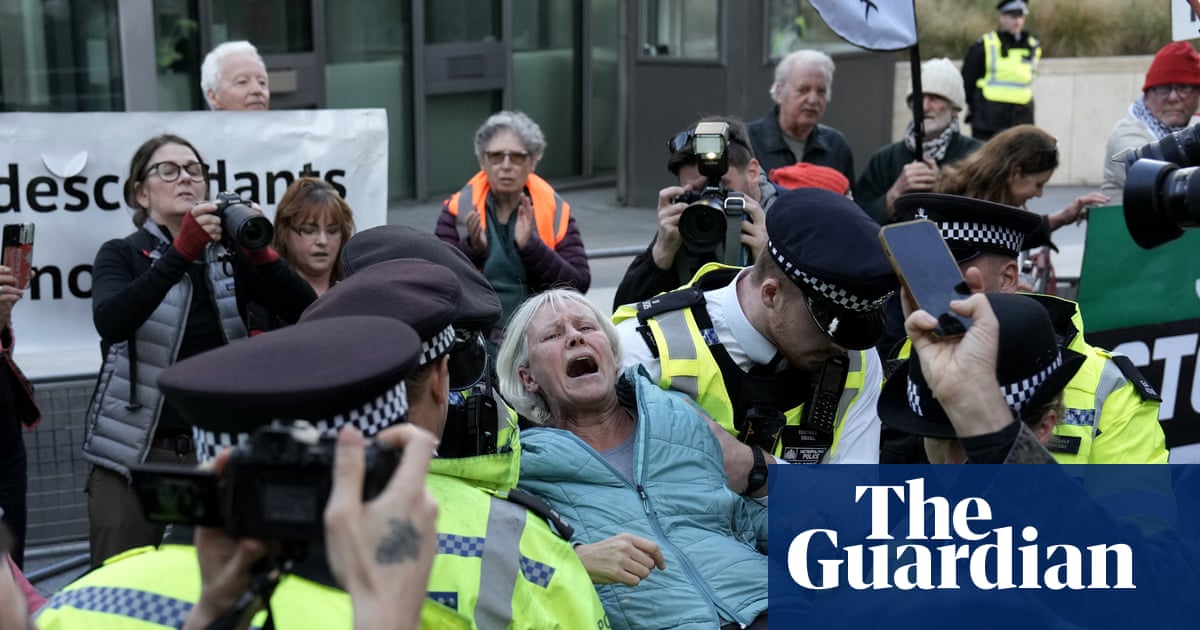
Police in Paris used tear gas and stun grenades at a protest against declining purchasing power, according to a TASS correspondent reporting from the scene. The incident occurred as the march was drawing to a close near Porte de Charenton, on the capital's eastern outskirts and the endpoint of the route. Radical protesters began throwing stones and bottles at police, the report states.
The rally is the third in a fortnight. Large-scale protests on 17 and 24 October saw clashes with police, vandalism and looting in several French cities, according to the same report. That sequence matters more than any single skirmish: a demonstration that ends in scattered confrontations at its terminus is one thing, but a fortnight of repeated mobilisation across multiple cities points to a grievance that is not dispersing.
The stated cause is purchasing power — the gap between wages and the cost of living that has dominated French political argument in recent years. It is a demand that crosses occupational and regional lines, which is precisely what makes it difficult for any government to answer with a single measure. The TASS report does not say how many people attended, which organisations called the march, or whether any arrests were made. It does not identify the radical protesters beyond describing their actions, nor does it give casualty figures for police or demonstrators. Those details are not yet confirmed.
For the authorities, the immediate question is one of containment. Tear gas and stun grenades at the end of a permitted route suggest a police posture geared to closing a march down rather than policing it through the city. Whether that approach holds as the pattern repeats is an open question. Each successive rally raises the cost of deployment and the risk of injury on both sides, and each confrontation supplies material for the next mobilisation.
The wider implication is political. Protests over living costs have a way of outlasting the specific trigger that brought people onto the streets, and a movement that returns at weekly intervals acquires organisational habits and a public profile. French governments have historically found that conceding on purchasing power is expensive and refusing to concede is more expensive still. Nothing in the report indicates what, if anything, the government intends to offer.
What is clear is that the endpoint of a march has become the flashpoint. Porte de Charenton is not a symbol; it is simply where the route finished. But the timing of the confrontation, at the close rather than the outset, suggests a pattern in which the tail of a demonstration becomes the point of contact between radical elements and police. Until fuller accounts emerge, the scale of Saturday's rally and the consequences for those involved remain unconfirmed.