The ruling changes the legal standard for warrantless entry onto qualifying land in Pennsylvania, but it does not strip the Game Commission of its enforcement authority.
The Pennsylvania Supreme Court has ruled unanimously that the state constitution offers broader privacy protection than the Fourth Amendment to landowners who take clear steps to keep intruders off their property. According to the Times of India, the 7-0 decision of 21 July 2026 overturns Commonwealth v. Russo, the 2007 precedent under which Pennsylvania had followed the federal open fields doctrine. The case was brought by two hunting clubs in Clearfield County, the Punxsutawney Hunting Club, which owns 4,400 acres, and the Pitch Pine Hunting Club, which owns 1,100 acres, both represented by the Institute for Justice.
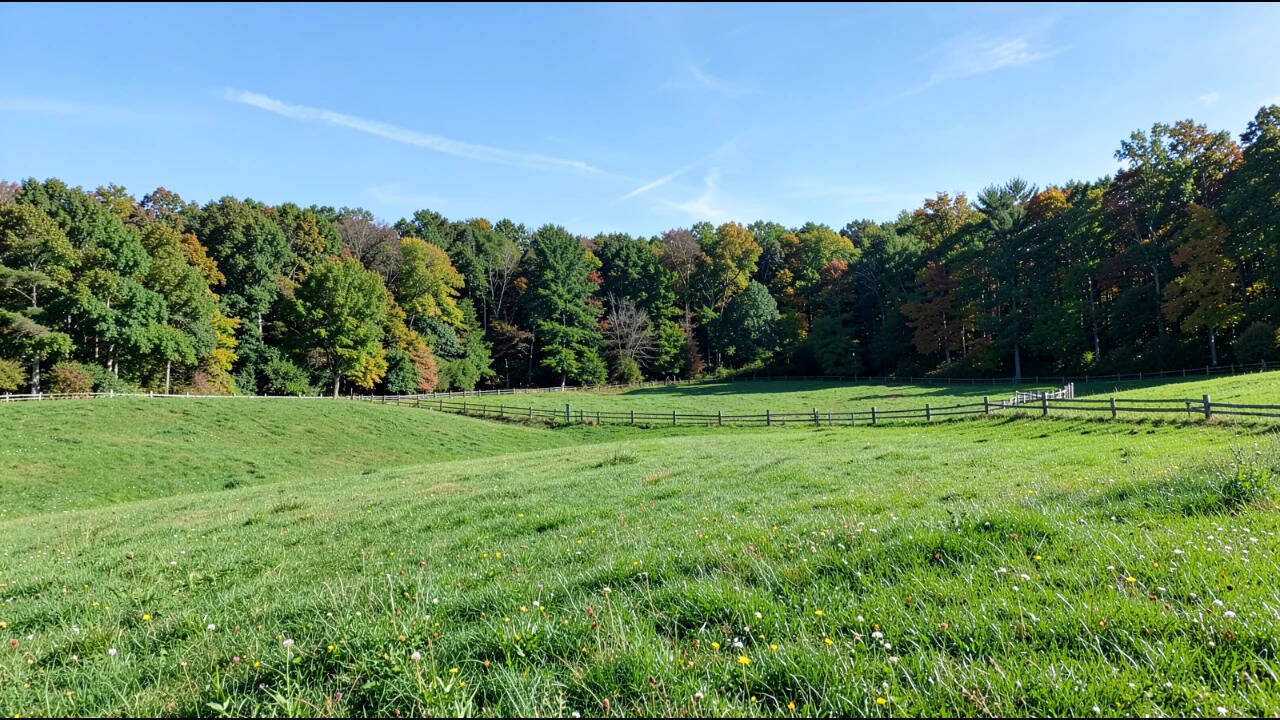
The clubs had posted no-trespassing signs, marked boundaries with purple paint, installed gates and fenced some areas. According to the court's opinion in Punxsutawney Hunting Club, Inc. v. Pennsylvania Game Commission, officers entered their land without consent, a warrant or probable cause at least 15 to 22 times since 2013. In one instance a warden placed a trail camera on Punxsutawney's property, where it remained for 78 days during an investigation into suspected illegal elk feeding. The clubs challenged provisions of the Game and Wildlife Code authorising entry, lost in the Commonwealth Court in September 2023 because that court was bound by Russo, and appealed.
Writing for the majority, Justice Kevin Brobson held that Article I, Section 8 of the state constitution protects private land beyond the immediate surroundings of a home or building where the owner has demonstrated a reasonable and legitimate expectation of privacy by taking sufficient steps to exclude intruders. Officials must now obtain a warrant based on probable cause or satisfy a recognised exception before entering such land. The court struck down Sections 303(c) and 901(a)(2) of the code as unconstitutional on their face, while upholding Section 901(a)(8) on administrative inspections because nothing in it permits officers to enter private land.
The unanimity conceals real disagreement about scope. Chief Justice Debra Todd would have held the two provisions unconstitutional only as applied to the clubs' posted properties, arguing they could still be applied lawfully to unposted land. Justice David Wecht, joined by Justice McCaffery, argued that privacy should not depend on signs, paint or fencing, and dissented from upholding Section 901(a)(8). Justices Donohue and Mundy wrote separately, Donohue stressing that administrative searches remain available to the Game Commission and Mundy cautioning that greater state constitutional protection should never be presumed.
The ruling changes the legal standard for warrantless entry onto qualifying land in Pennsylvania, but it does not strip the Game Commission of its enforcement authority, nor does it protect every field and forest. The majority left open whether owners who took fewer steps could claim protection. For landowners, visible measures such as signs, boundary markings, gates and fencing may now help establish the privacy interest the court recognised. Whether other state courts read their own constitutions the same way is not yet known.