It does suggest that proscription, whatever its legal force, has not closed the argument.
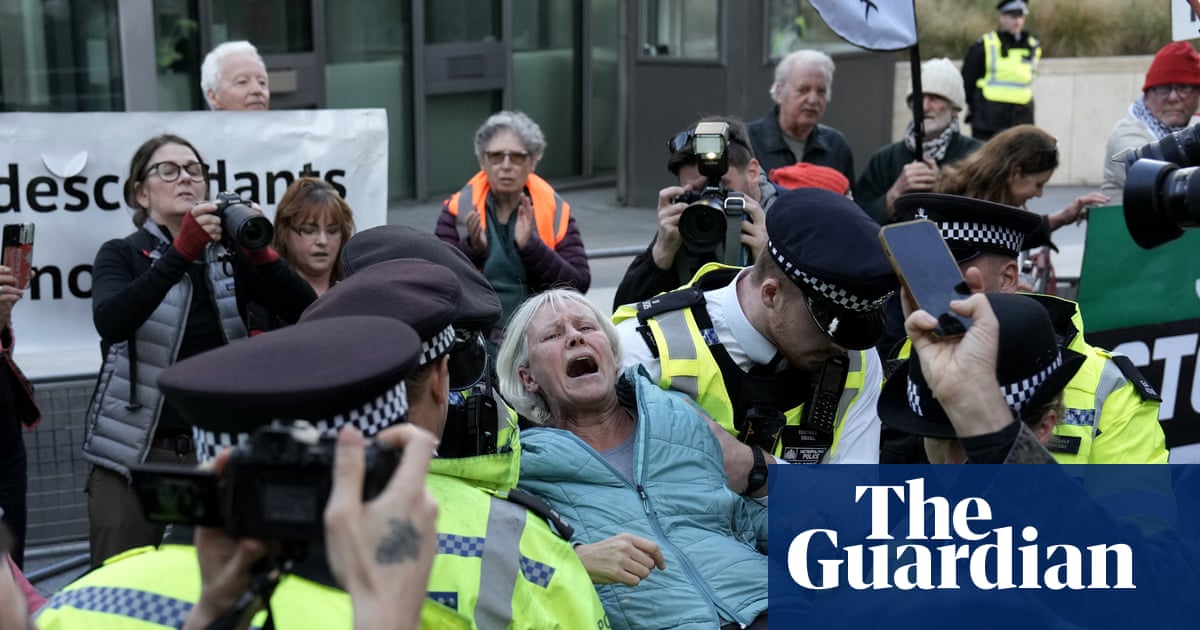
Hundreds of demonstrators gathered outside the US Embassy in London on Saturday in support of Palestine Action, a pro-Palestinian group banned in the United Kingdom, according to a TASS correspondent at the scene. Many of those taking part were of retirement age, the report says, and they staged a sit-in in front of the embassy carrying banners reading "I oppose genocide. I support Palestine Action." Some activists wore Halloween costumes.
The timing is pointed. The rally comes ahead of UK Supreme Court hearings next week on the group's appeal against its ban. The demonstration is therefore less a spontaneous outburst than a piece of political theatre staged for the benefit of the country's highest court and the wider public watching it. The choice of the US Embassy as a venue adds a second audience: Washington imposed sanctions on Palestine Action in August, according to the report, so the protest places the American measures and the British proscription side by side.
The significance lies in what the case puts at stake. A ban on an organisation is one of the sharper instruments available to a state, and it is normally contested through the courts rather than the streets. When opponents of a proscription take to the pavement days before a Supreme Court hearing, they are signalling that they regard the legal route and the public route as complementary. Whether the court sees the demonstration as irrelevant noise or as evidence of continuing public opposition is a question the hearings themselves may answer.
Several things are not yet known. The report does not say how many people attended beyond "hundreds," whether any arrests were made, or how the police handled the sit-in. It gives no detail of the legal arguments the group will advance next week, nor of the grounds on which the ban was originally imposed. The nature and scope of the US sanctions are likewise not set out. Readers should treat the crowd size and the character of the gathering as reported by a single correspondent rather than as independently verified figures.
What can be said is that the protest illustrates a widening gap between official classification and public sympathy. A group designated and sanctioned across two jurisdictions can still draw hundreds of people, many of them older citizens, to a foreign embassy in the British capital. That does not settle the legality of the ban. It does suggest that proscription, whatever its legal force, has not closed the argument. The Supreme Court hearings next week will decide the narrow question; the broader political dispute is likely to outlast them.