A proscription regime is enforced not only through the courts but through the discretion of police on the street.
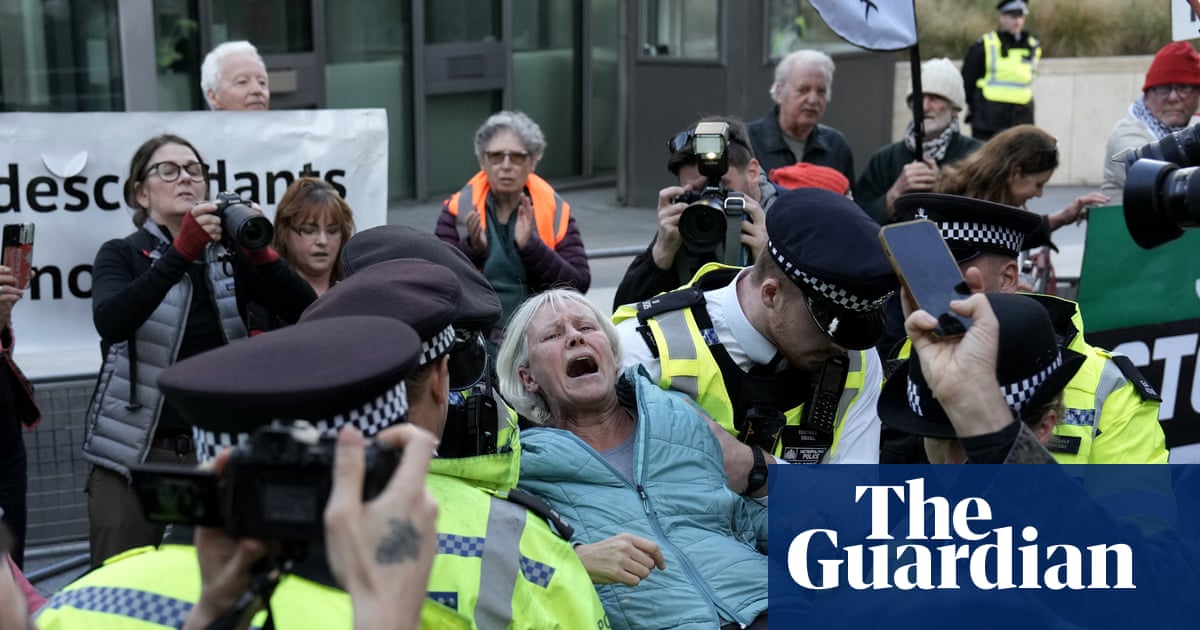
Police have begun arresting demonstrators at the first mass protest against the proscription of Palestine Action since Andy Burnham became prime minister, according to The Guardian. More than 100 people gathered outside the US embassy in Battersea, south London, carrying signs reading: “I oppose genocide, I support Palestine Action.” A second demonstration was scheduled for the US consulate near Holyrood in Edinburgh.
The Metropolitan police signalled its approach before the London gathering, warning participants “that they face arrest as part of a robust policing operation”. Commander Adam Slonecki, who led the operation, said: “All those intending on coming to this event know that supporting a proscribed organisation is unlawful – they are essentially meeting to purposefully commit a crime.” He added that anyone officers considered to be playing a key role in organising the event, giving instructions to others or providing logistical support would very likely be committing an offence and face enforcement action.
Defend Our Juries, the group behind the demonstrations, said the Met were “terrified of facilitating US embarrassment”. The choice of the US embassy and consulate as venues places the protest at the intersection of domestic proscription law and the wider diplomatic climate, though the report does not set out the group's reasoning in detail.
The significance lies less in the size of the turnout than in the test it poses. A proscription regime is enforced not only through the courts but through the discretion of police on the street, and the Met has chosen a broad reading of what constitutes support for a banned organisation. The commander's language draws a line between attendance and organisation, but the warning to all participants suggests that line may be drawn tightly. How many arrests follow, and on what grounds, will shape the legal and political argument ahead.
What is not yet known is the number of arrests made, the specific offences alleged, whether any organisers were detained, and how the Edinburgh demonstration unfolded. The report gives no account of the legal basis on which Palestine Action was proscribed, nor of the government's response to the protests. It is also unclear whether further demonstrations are planned. Those questions will determine whether this weekend marks a single confrontation or the opening of a sustained campaign of civil disobedience against the ban.