“We have far more work than we have astronauts,” Artemis III commander Randy Bresnik said.
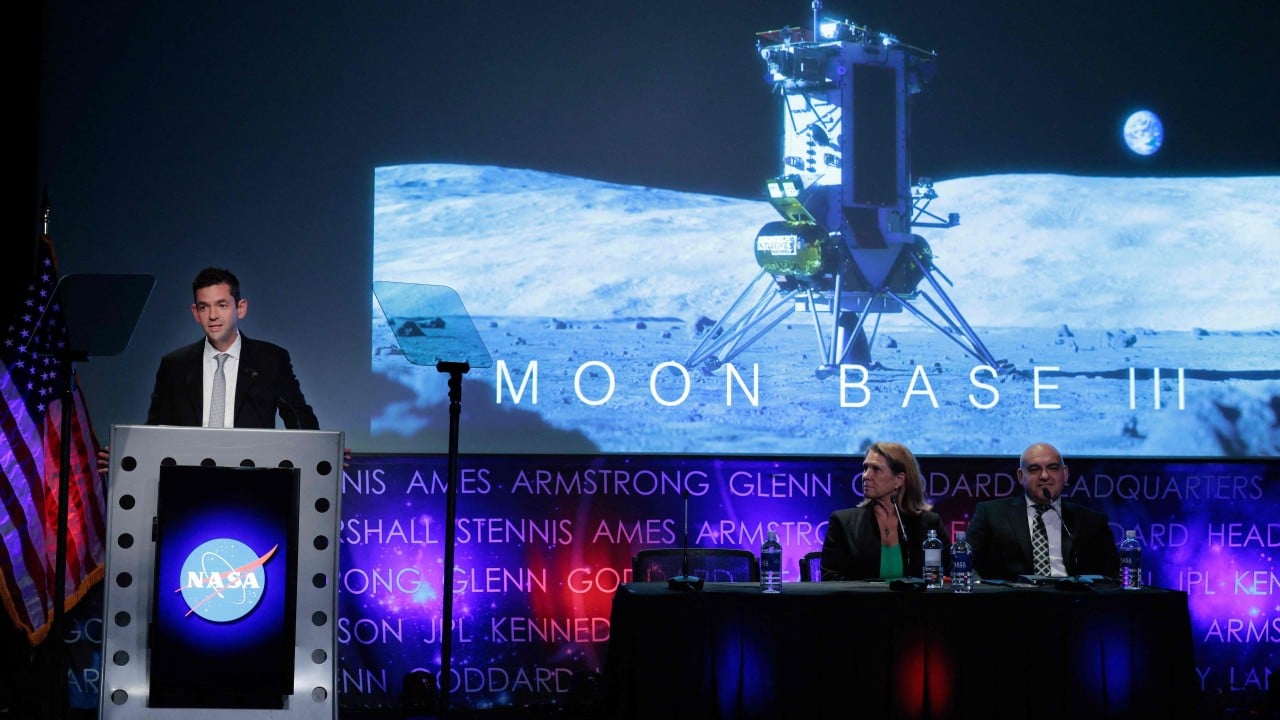
Nasa is accepting applications for a new astronaut class to support the Artemis programme, the agency announced on Saturday at a Kennedy Space Centre air show promoting lunar exploration, according to the South China Morning Post. The deadline for submissions is December 3, with final selection expected by late 2027 and training beginning by early 2028.
The numbers explain the urgency. Nasa has just 32 active astronauts, and its last recruitment round, two years ago, drew more than 8,000 applicants, of whom 10 were chosen in September 2025. Artemis III commander Randy Bresnik, quoted in the report, put the imbalance plainly: “We have far more work than we have astronauts.” The agency says it intends to return astronauts to the lunar surface in 2028, more than half a century after the last landing.
The programme’s architecture is already taking shape. According to the report, April’s lunar flyaround by the Artemis II crew opened the campaign. Bresnik and three crewmates are due to launch next summer to practise docking their capsule with two lunar landers, one built by SpaceX and the other by Blue Origin. That mission will stay close to Earth without a lunar fly-by, serving as a dress rehearsal for Artemis IV the following year, which will attempt to land two astronauts near the lunar south pole. A permanent base is to follow as rovers, robots, structures and power grids are delivered.
For applicants, the report makes clear that patience matters as much as aptitude. Candidates must be US citizens with college degrees and professional work experience, and face two years of mandatory training that can be gruelling, with several more years potentially passing before a flight. Frank Rubio, who holds the US record for 371 consecutive days in space, told the outlet that most of the work is not lunar. “That will be about 1 per cent of your experience,” he said. “What you’re doing is contributing to the mission of going to the moon.” This will be Nasa’s 25th astronaut class since the Mercury Seven in 1959.
The recruitment drive matters beyond symbolism. A lunar base and a sustained cadence of missions require a deep bench of trained personnel, and Nasa’s small active corps leaves little margin for attrition, illness or the delays that have repeatedly reshaped Artemis scheduling. The reliance on commercial landers from SpaceX and Blue Origin also ties the programme’s timetable to private contractors whose own development schedules are not fully public.
What is not yet confirmed is how many candidates Nasa will select, how the 2028 landing date will hold against the docking rehearsal next summer, and how the base’s funding and international participation will be structured. The report gives no figures on programme cost. For now, the agency has set a clear date for applications and a clear ambition, with the details of delivery still to be tested.