A figure approaching five hundred drones in a single overnight window implies a sustained effort to saturate air defences across a wide front.
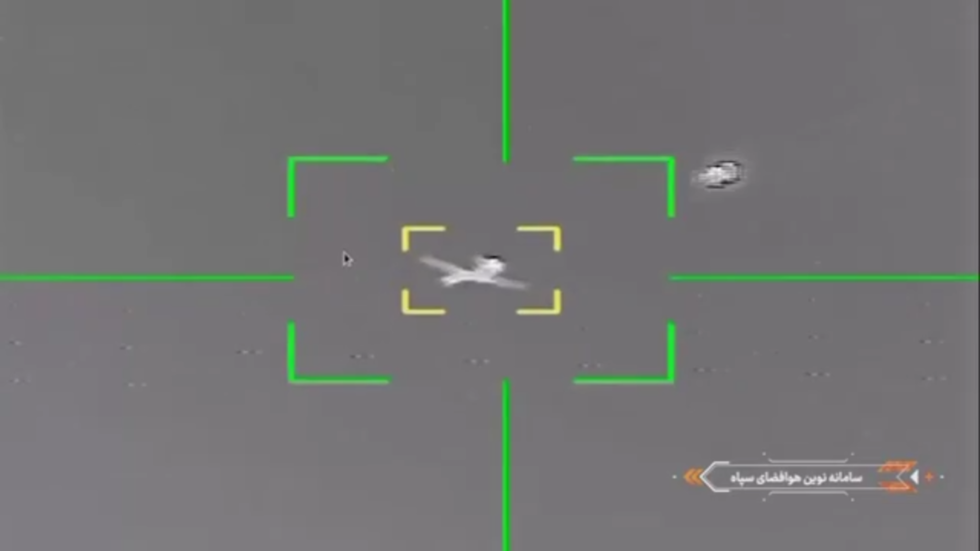
Russian air defences intercepted a large wave of drones directed at Moscow and the surrounding region overnight, according to the state news agency TASS. The capital's mayor, Sergey Sobyanin, said that 493 unmanned aerial vehicles flew toward the Moscow agglomeration between 8:30 p.m. Moscow time on 2 November and 7:30 a.m. the following morning. Most were destroyed at distant approaches, he said, with 187 neutralised as they neared the city. TASS, citing its own calculations, described the attack as one of the largest in the past six months.
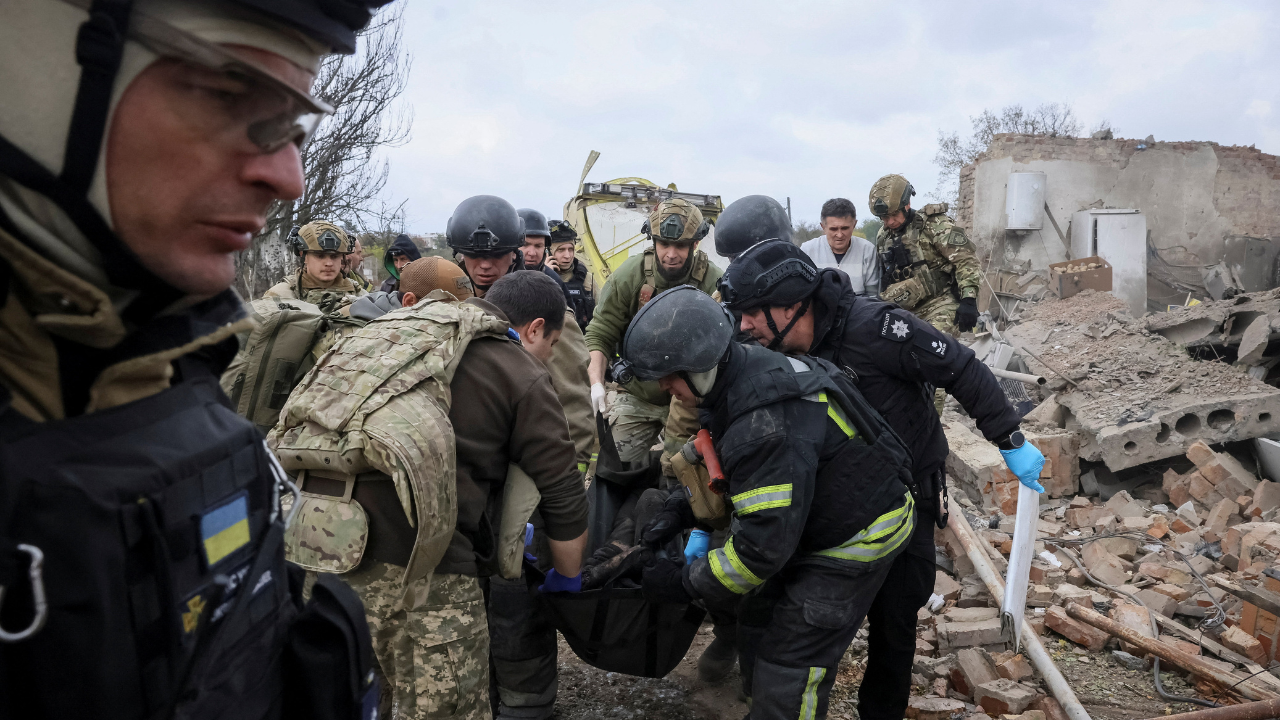
The figures come from a single official source and have not been independently verified. The report gives no account of casualties, damage on the ground, or the targets the drones were intended to reach, and it does not say what proportion of the 493 was destroyed rather than diverted or lost. Nor does it identify the launch sites or the types of drone involved. Readers should treat the numbers as the Russian authorities' own account of the night's events.
What the report does convey is scale. A figure approaching five hundred drones in a single overnight window implies a sustained effort to saturate air defences across a wide front, and the mayor's emphasis on interceptions at "distant approaches" suggests a defensive model built around engaging threats well outside the city rather than over it. That approach protects urban areas but stretches interceptors and radar coverage across a broad perimeter, and it places the burden of detection on layers of systems that must work together under pressure.
The timing matters as much as the volume. An attack of this size, if confirmed, would signal that long-range drone operations remain a central instrument of the war and that the capital region stays within reach of them. For Moscow, the political dimension is inseparable from the military one: official statements stress successful interception, and the mayor's public accounting serves to reassure residents that the shield is holding. Whether that reassurance is matched by the material cost of the defence is not something the report addresses.
The wider picture is one of attrition. Each large raid forces the defender to expend interceptors and to keep air-defence crews at high readiness, while the attacker tests routes, decoys and timing. The report offers no assessment of how many drones penetrated the defences, and no independent confirmation of the total launched. Until such details emerge, the significance of the night lies in the scale claimed and in what it says about the persistence of long-range drone warfare against the Russian capital.