What the reports do show is a waterway where military signalling and diplomatic bargaining are now running in parallel, each capable of derailing the other.
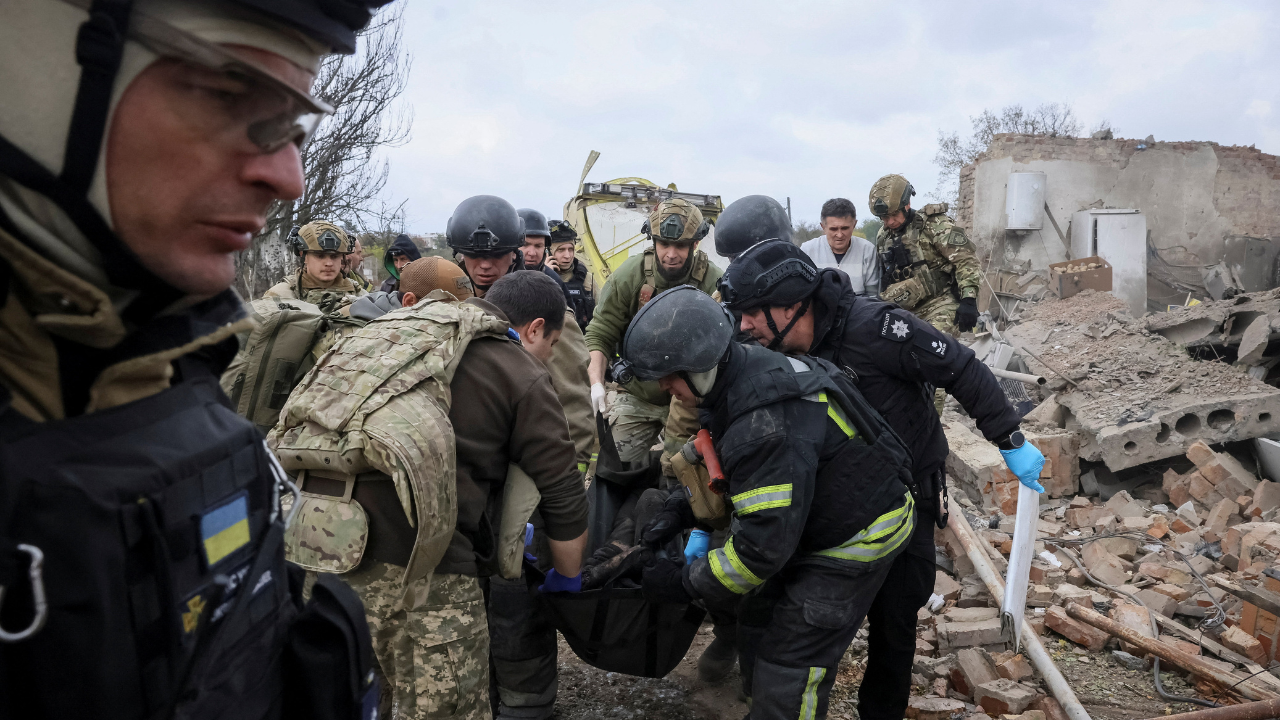
Explosions were heard in rapid succession late on Monday on Iran's Qeshm Island, off the country's southern coast near the Strait of Hormuz, according to Iran's state-owned IRNA news agency. Witnesses told the agency they saw two planes over the island. The semi-official Fars news agency reported further blasts in the port city of Bandar Lengeh, coming from the direction of the sea.
According to the Wall Street Journal, citing US officials, the US military carried out strikes in the Strait of Hormuz. Some of those officials described the action as defensive, aimed at restricting Iran's ability to attack commercial shipping. One official said Washington had deliberately kept the campaign quiet to avoid signalling a return to major combat operations. The Associated Press, also citing a US official, reported that the targets included Iranians using surface-to-air missiles against US assets. Reporters with Fox News and Axios said the strikes followed the Islamic Revolutionary Guard Corps firing at a US aircraft in the strait on Monday; Fox News reporter Jennifer Griffin, citing a US official, said the incident did not mark the start of expanded strikes. There was no immediate comment from authorities in Iran or the United States.
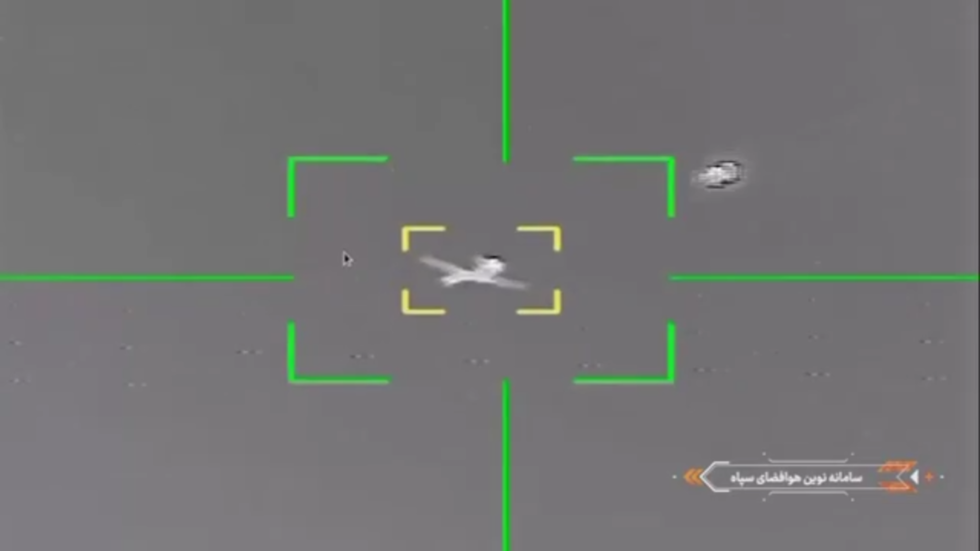
The reports sit uneasily alongside earlier claims from the IRGC, which said on Monday that it had captured two US reconnaissance drones south of Qeshm using electronic warfare systems and destroyed an MQ-9 drone east of the Strait of Hormuz. Those claims have not been independently verified, and the sequence of drone and missile incidents in the waterway remains contested.
Timing is central to the significance. The reported strikes came on the eve of US midterm elections, with President Donald Trump's Republican Party expected to fight to keep control of both chambers of Congress. They also came amid intensifying diplomatic efforts to prevent renewed US attacks on Iran. Writing on Truth Social on Monday, Trump suggested a deal could happen soon, saying oil prices were falling because people felt there would not be a war with Iran and that Iran wanted a settlement. Asked earlier whether he was considering striking Iran after Tuesday's elections, he replied no.
Iran's Foreign Ministry spokesman, Esmaeil Baghaei, said the ball was in the US court and that Tehran's demands for peace had been clearly communicated. He said Iran's proposed plan to reopen the Strait of Hormuz had been condensed and could be implemented within two days if Washington met Tehran's conditions, including lifting the naval blockade of Iranian ports and securing an end to hostilities.
Much remains unconfirmed. Neither government has formally acknowledged the strikes, the extent of any damage or casualties is unknown, and the precise target set has not been independently established. What the reports do show is a waterway where military signalling and diplomatic bargaining are now running in parallel, each capable of derailing the other.