Taken together, the day's events describe a war in which the humanitarian space, the information space and the terms of any local pause are all contested at once.
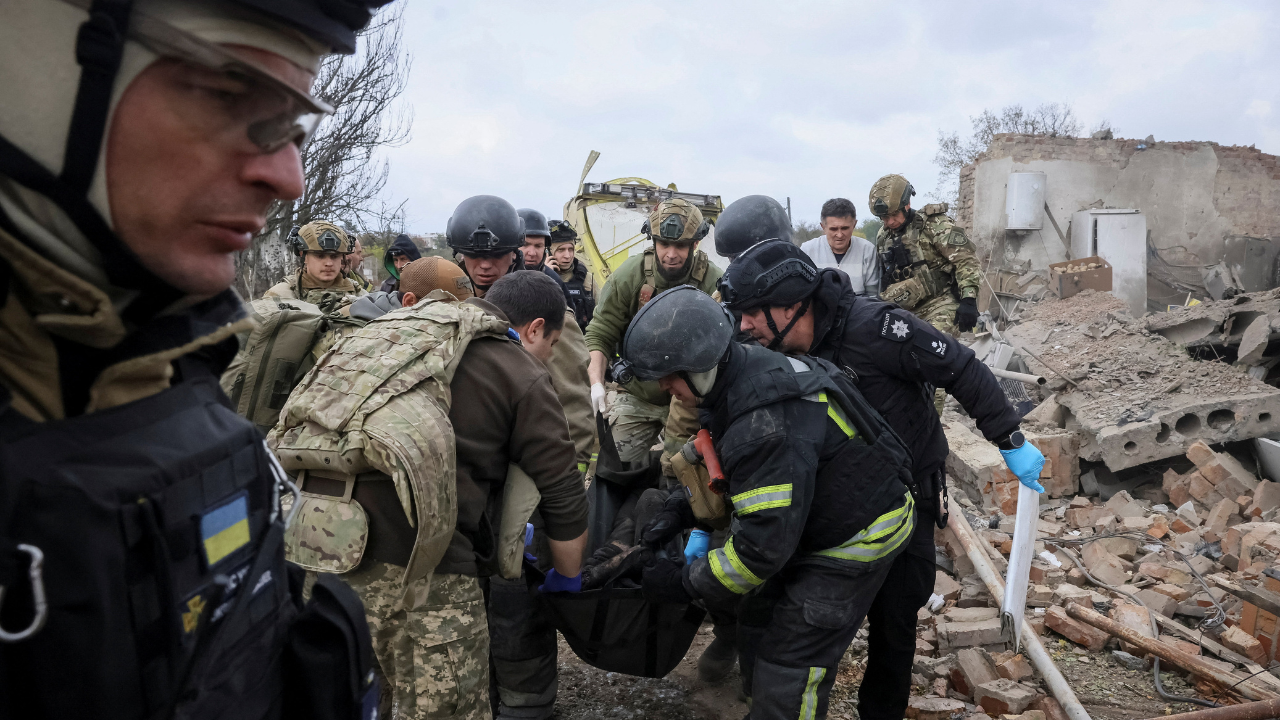
At least 26 people were killed when Russian forces struck a school being used to distribute humanitarian aid in the village of Komyshuvakha, in Ukraine's southeastern Zaporizhzhia region, Ukrainian authorities told Reuters. According to emergency services, two rescue workers and four police officers were among the dead, and five others, including two rescue workers, were hospitalised. Around 20 people were still missing, the report said, raising fears that the toll could rise further.
Ukrainian President Volodymyr Zelenskyy said the school was hit first and a nearby shelter afterwards. In a post on X, he described the attack as further proof that Russia wants no de-escalation, and he later warned that Moscow could intensify its attacks while Ukraine faces a shortage of missiles needed for its defence. Rescue teams searching the rubble were themselves forced to contend with fresh Russian drone attacks in the area, military official Mykhailo Semikin told the Associated Press.
The strike came alongside a separate wave of disruption. Cyberattacks on government-run mobile applications in Ukraine and Russia triggered fake emergency alerts in both countries, according to the report. In Ukraine, residents received false warnings of high radiation levels, chemical threats and an imminent nuclear attack; one message in Russian read: "Hi! There will be a nuclear threat across Ukraine. Do not worry, the Oreshnik is incoming." The alerts, circulated in English, Russian and Ukrainian, led authorities to suspend Ukraine's emergency app temporarily. Officials later said the service had been restored and that the breach had not affected the country's security and defence operations.
Russia's emergency situations ministry said a fake alert was sent through its app at around 2:45 am Moscow time across 33 of the country's 89 regions, and that other public warning systems, including SMS alerts and sirens, continued to function. Kremlin spokesperson Dmitry Peskov said all government bodies must take steps to improve the cybersecurity of Russia's digital resources. The episode points to a vulnerability that runs in both directions: public alert systems are designed to reach millions quickly, which makes them an attractive target for anyone seeking to spread alarm rather than information.
The developments coincided with the expiry of a limited ceasefire in the southern Kherson region. The truce, which began on 27 October, was intended to facilitate humanitarian aid deliveries and evacuations in Russian-occupied areas. Ukraine's general staff accused Russia of using the pause to strengthen its drone defences and replenish ammunition. Elsewhere, twelve people were hurt in the Kharkiv region, where a refrigeration facility, greenhouses and residential buildings were damaged, and five were injured in Odesa after a warehouse and homes were hit.
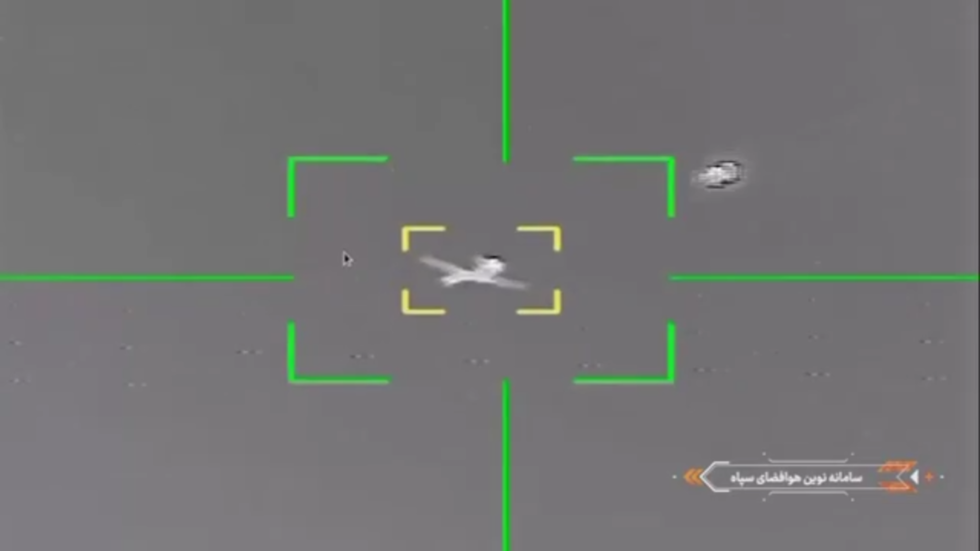
Russia's defence ministry claimed its forces had shot down 212 Ukrainian drones overnight, while independent Russian media outlets reported that Ukrainian drones had targeted a major oil transport hub in the Samara region. Those claims have not been independently verified. Taken together, the day's events describe a war in which the humanitarian space, the information space and the terms of any local pause are all contested at once. What remains unconfirmed is the final death toll at Komyshuvakha, the identity of those behind the cyberattacks, and whether the Kherson arrangement will be renewed.