The strategic significance of the announcement lies less in a single hull than in what it signals about the survivable leg of Russia's nuclear deterrent.
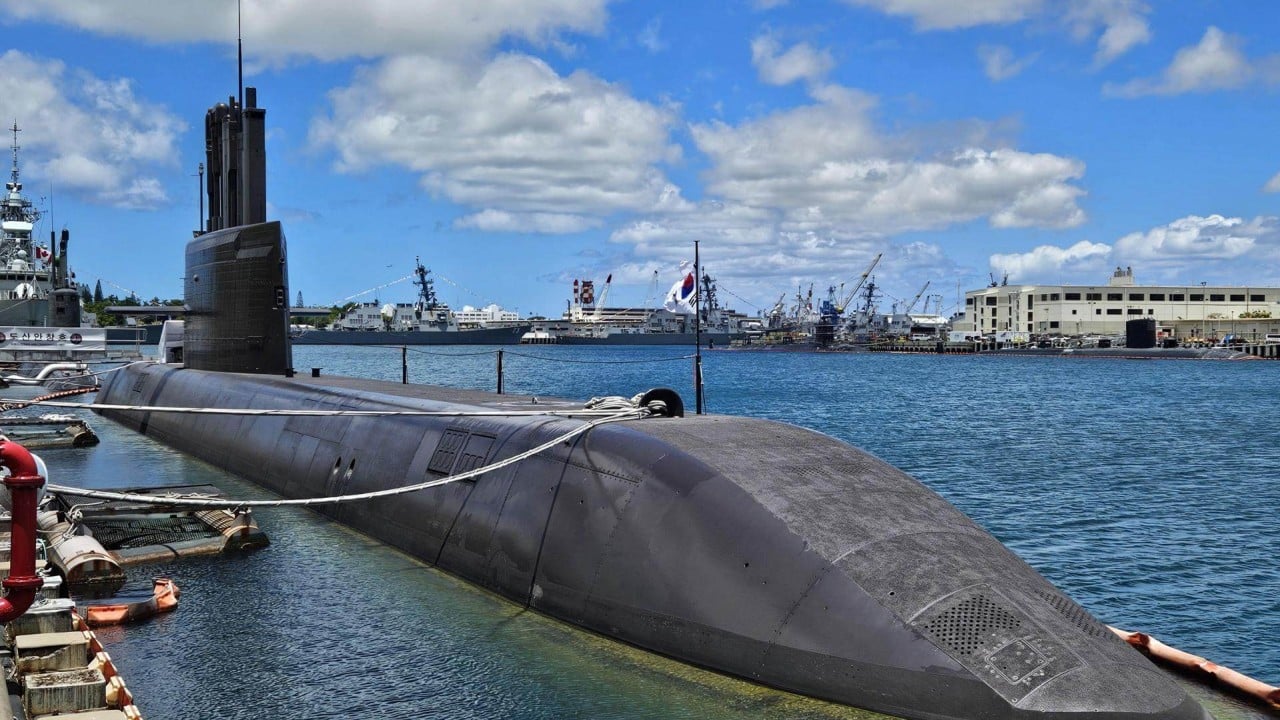
Vladimir Putin has unveiled a new nuclear-powered submarine that Moscow claims is the first to carry Russian Zircon hypersonic missiles. According to Al Jazeera, the president attended the flag-raising ceremony aboard the Perm at the Sevmash shipyard in Severodvinsk on Friday, marking the vessel's formal transfer to the navy. Video of the event was released by the Kremlin.
Speaking at the ceremony, Putin said Russia was one of the few countries capable of building nuclear submarines of this kind, describing them as weapons with global reach and significance. He said the navy would receive five more submarines by 2030, including three Yasen-M class vessels of the same type as the Perm, which he said could operate in any part of the world's oceans while carrying a range of cruise missiles. He added that Moscow intends to continue modernising its navy and expressed confidence that its plans for a powerful naval force would be implemented in full and on time.
The strategic significance of the announcement lies less in a single hull than in what it signals about the survivable leg of Russia's nuclear deterrent. Nuclear-powered submarines are a key component of that deterrent precisely because they can operate covertly underwater, preserving a retaliatory strike capability in the event of an attack. Pairing such platforms with hypersonic weapons, if the claim holds, would complicate the calculations of any adversary attempting to track and target the fleet.
The timing also matters. The ceremony comes amid the broader deterioration in relations between Moscow and Western capitals, and it serves a domestic purpose as much as a military one: a public demonstration that Russia's defence industrial base can still deliver high-end platforms despite sanctions and the demands of an ongoing war. Putin's remarks about global reach were addressed as much to foreign capitals as to the shipyard workers in Severodvinsk.
Several elements remain unconfirmed. The claim that the Perm is the first submarine equipped with Zircon rests on Russian statements; Al Jazeera reports the assertion as Moscow's, and no independent verification is cited. The performance characteristics of the missile, the submarine's actual deployment schedule and whether the five promised boats will arrive by 2030 are likewise unverified. The report gives no detail on the vessels' cost, their home port or when the Perm is expected to begin operational patrols.
What can be said with confidence is that Moscow is choosing to advertise its submarine programme at a moment of acute tension with the West. Whether the fleet expansion proceeds on schedule will be a test not only of Russian shipbuilding capacity but of the credibility of the deterrent Putin is signalling.