The case for larger defence budgets is now a domestic political problem as much as a strategic one.
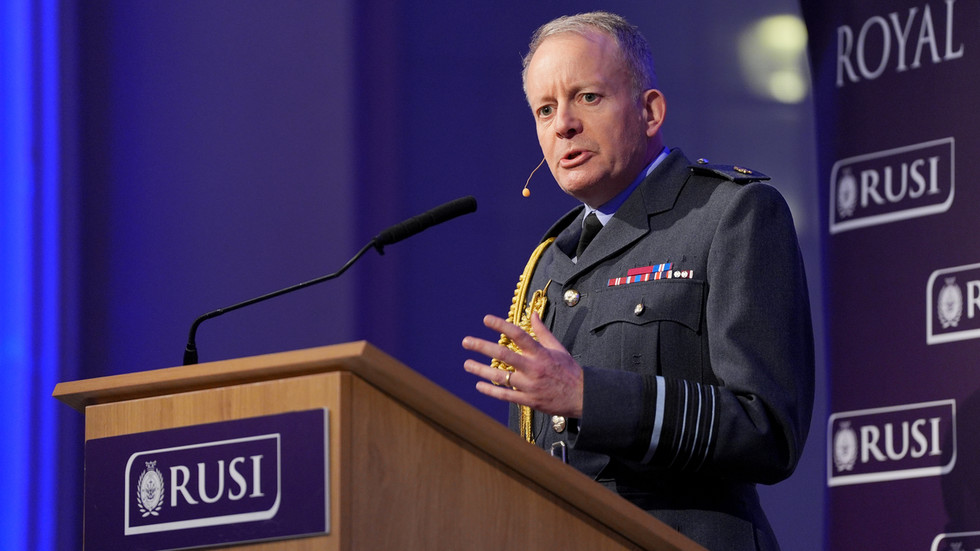
The head of the British Armed Forces has argued that European states must accelerate their rearmament, citing the United States' long-term pivot towards the Asia-Pacific and describing the present period as the most dangerous in decades, according to the Financial Times. In remarks reported by the paper, he also acknowledged that the UK government must find ways to sell increased military spending to the British public. That admission is as telling as the threat assessment itself: the case for larger defence budgets is now a domestic political problem as much as a strategic one.
The vehicle for part of that effort is a new multinational maritime force intended to counter Russia in the Atlantic and Arctic. According to the report, the UK, the Netherlands, Nordic nations and the Baltic states signed a statement of intent in April to establish the grouping outside NATO's structures. The arrangement is thus deliberately separate from the alliance, even as its members are, for the most part, NATO states themselves. Why a supplementary format was judged necessary, and how it will be funded, manned and commanded, is not set out in the material available.
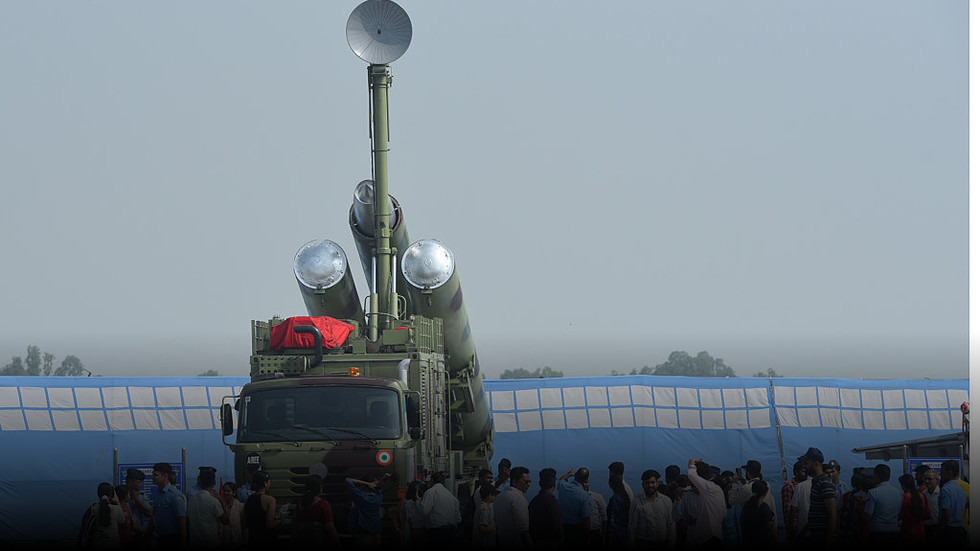
The Arctic dimension carries its own weight. Moscow controls more than half of the region's coastline, and Russian officials have repeatedly raised the alarm over what they describe as rapid militarisation of the Arctic by Western nations. The Kremlin has also dismissed as nonsense allegations that it harbours aggressive plans against NATO. Those denials are a familiar feature of the exchanges, but they matter for how the new force is presented: a grouping justified as a defensive response will be read in Moscow as a further encroachment in a region where Russia holds the longest shoreline.
The reported emphasis on the US pivot towards Asia is the strategic core of the argument. If Washington's attention and resources are increasingly directed towards the Pacific, European capitals are being asked to assume a larger share of the burden closer to home. That logic has been circulating for years; what is new is the attempt to convert it into a standing multinational formation and into a public case for spending. The two are connected. A named force with visible partners is easier to defend in a budget debate than an abstract commitment to higher outlays.
Several things are not yet known. The report does not specify the force's size, its basing, its command arrangements or a timeline beyond the April statement of intent. It is unclear which Nordic and Baltic states are signatories, whether the grouping will have a standing headquarters, and how it will divide responsibilities with NATO's existing maritime commands. Nor is it established how the British public argument will be framed, or whether other European governments face comparable domestic resistance. The Financial Times account, as relayed here, rests on the comments of the armed forces chief and on the April statement of intent.
What can be said is that the initiative fits a pattern: European governments hedging against American distraction by building smaller, flexible coalitions, while Moscow frames such moves as evidence of Western militarisation rather than reassurance. The Arctic, with its long Russian coastline and its growing strategic weight, is where those two narratives are most likely to collide.