A weapon system is only useful if it can be repositioned across the archipelago it is meant to defend.
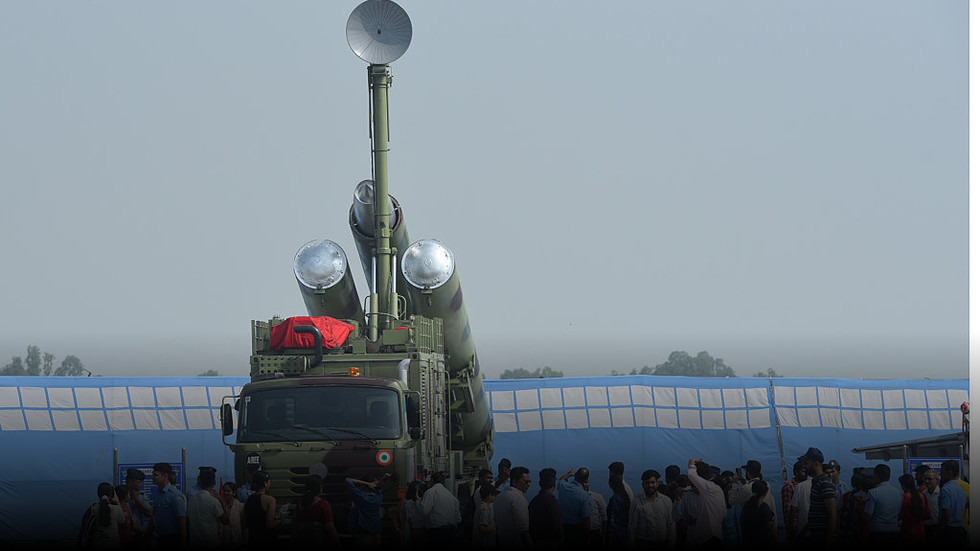
The Philippines is nearing a deal to buy further batches of BrahMos supersonic cruise missiles from India, in a purchase that Reuters reported on Thursday could be worth up to $800 million. According to the news agency, two Indian sources said the proposed package covers about five missile systems and nearly 60 missiles, and that negotiations are in their final stages. The reported figures and the state of the talks have not been confirmed by either government.
Manila is not a new customer. In 2022 it became the first foreign buyer of the BrahMos, signing a $375 million contract with India for three shore-based anti-ship missile batteries. Deliveries began in April 2024, and India is reported to be nearing completion of that original agreement. The reported new order would therefore roughly double the value of the Philippines' BrahMos purchases and expand its inventory well beyond the first three batteries.
The missile is jointly developed by India's Defence Research and Development Organization and Russia's NPO Mashinostroyeniya, and is manufactured in India. It can be launched from land, sea and air platforms. That Russian involvement in the design lineage is a relevant detail for any government weighing supply-chain risk, though the report gives no indication that it has figured in the current negotiations.
Philippines Defence Secretary Gilberto Teodoro, speaking at the Delhi Defence Dialogue on Wednesday, said Manila had submitted a list of requested modifications to the Indian authorities. "We hope to increase the number of BrahMos units we have," he said, adding that Manila wants the system tailored to the country's operating conditions. He cited the country's limited road and bridge infrastructure and the absence of an active rail network as obstacles to moving heavy military equipment. Those constraints go some way to explaining why the requested changes matter: a weapon system is only useful if it can be repositioned across the archipelago it is meant to defend.
Teodoro also said Manila had identified India as a "very important potential partner" for its military's satellite programme and air defence systems, and offered Philippine territory to India for testing satellite technologies. The report adds that Manila has instructed the military to pursue a satellite acquisition programme. These are statements of intent rather than concluded agreements, and no timelines, values or technical terms are given.
What the reporting does not establish is when a contract might be signed, what the requested modifications entail, how they would affect cost or delivery schedules, or whether the $800 million figure is a ceiling or an estimate. The identity of the Indian sources is not disclosed, and neither capital has publicly confirmed the terms. On the available evidence, the direction of travel is clear enough: Manila is deepening a defence relationship with New Delhi that began with a single battery contract four years ago and now appears to extend toward satellites and air defence. The pace and final shape of that relationship are not yet known.