The Arctic is a traditional base and patrol area for Russian strategic missile submarines, but the analysis suggests that in light of the changing military situation this could become a vulnerability rather than an advantage.
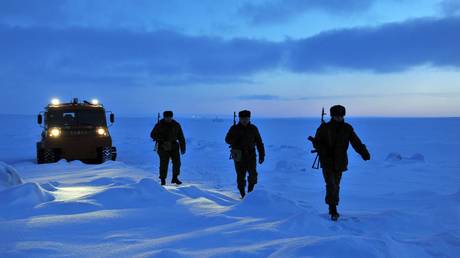
The Arctic has become one of the more closely watched theatres of the confrontation between Russia and what the source calls the Collective West, and a recent RT analysis sets out the military balance there in some detail. According to the report, the Ukraine conflict has sharpened tensions in the region, with Moscow concerned about the vulnerability of sites such as Plesetsk and its naval bases to drone attacks, and about the possibility that NATO naval forces could interfere with commercial shipping to and from Russian ports. Those concerns, the analysis argues, shape both the forces Russia deploys in the Arctic and the capabilities it seeks to develop.
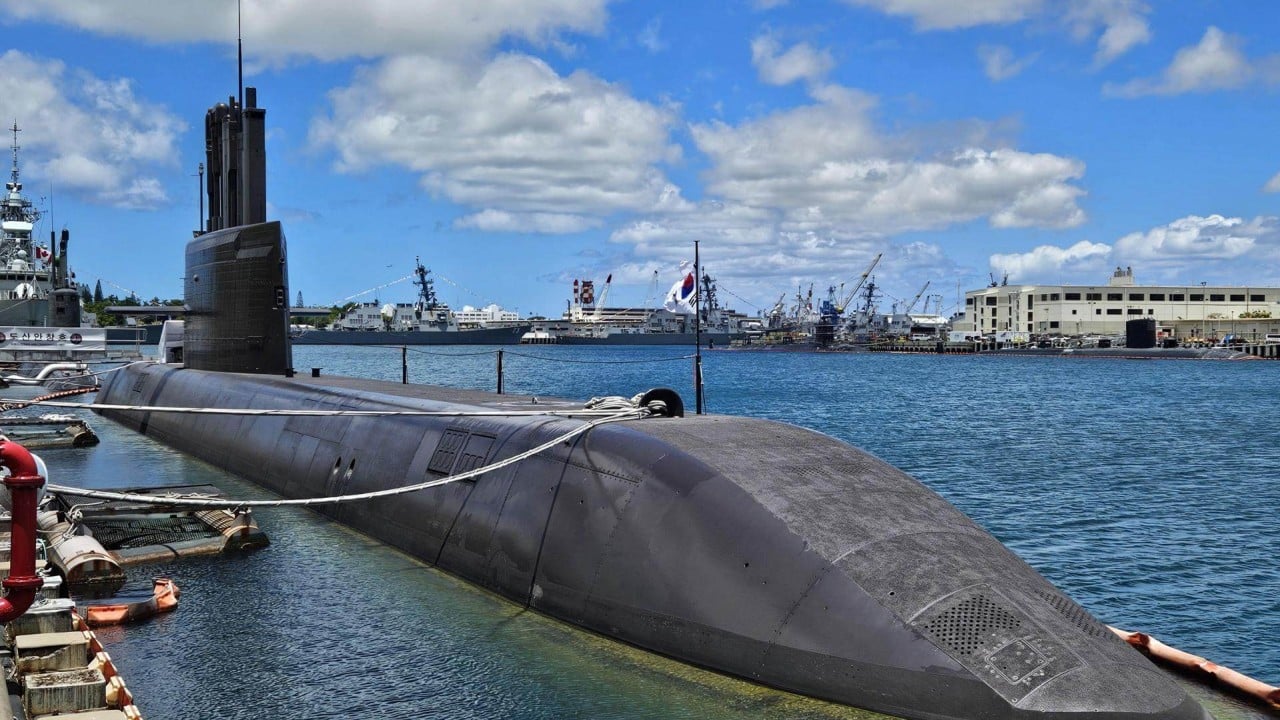
Geography dictates the tools. The report notes that naval and air forces are paramount in the region, particularly large surface ships and submarines, alongside support vessels such as icebreakers and reconnaissance ships, heavy bombers and patrol and anti-submarine warfare aircraft. Long-range missile systems also play an important role. The Arctic is a traditional base and patrol area for Russian strategic missile submarines, but the analysis suggests that in light of the changing military situation this could become a vulnerability rather than an advantage.
On the other side of the ledger, the report says Russia's potential adversaries are stepping up patrols by multi-role nuclear-powered submarines, anti-submarine and bomber aircraft and reconnaissance vessels. It anticipates a growing presence of aerial and maritime drones near the bases and operational routes of Russian strategic missile submarines, including the deployment of sonobuoys. The United States and its allies, according to the analysis, are attempting to integrate anti-submarine aviation into a unified system with AI elements, which would further enhance the effectiveness of submarine detection.
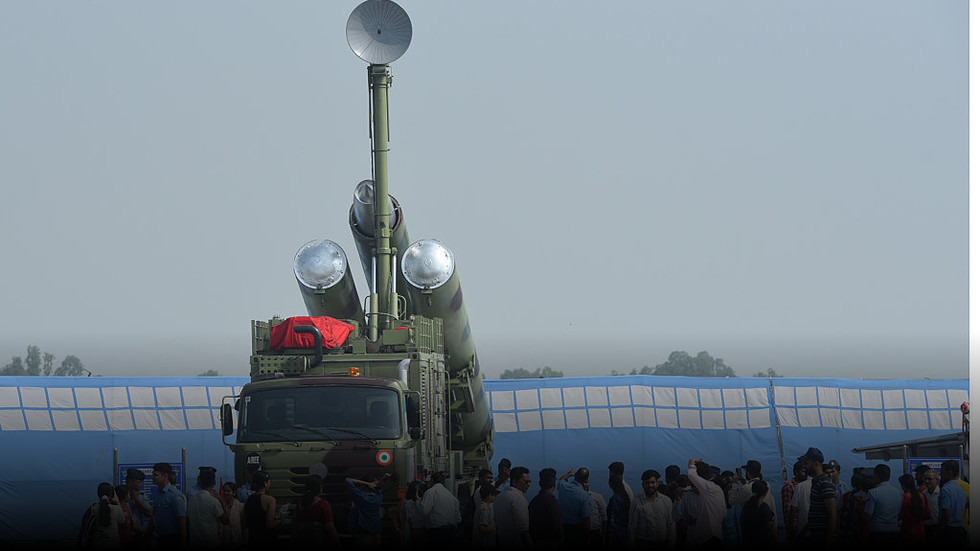
Russia's own assets, as listed by the source, include Yasen-class multi-purpose nuclear-powered submarines and a range of special-purpose submarines, including launch and deployment platforms for the Poseidon nuclear-powered autonomous underwater vehicle. On the missile side, the report points to Project 22350 frigates equipped with Zircon hypersonic missile systems and aircraft carrying the Kinzhal air-launched hypersonic missile. It raises the possibility that new missile brigades will be formed in the region, armed with Iskander-M systems and advanced future ground-based missile systems. Bastion coastal missile systems are cited as helping to safeguard Russia's Arctic frontiers, while the upgraded heavy nuclear-powered missile cruiser Admiral Nakhimov is described as carrying a formidable arsenal of offensive and defensive missiles and powerful monitoring systems.
NATO's long-range precision arsenal is also expanding, according to the report: Swedish aircraft are being equipped with Taurus cruise missiles, Finland fields air-launched JASSM cruise missiles, and plans are underway to acquire ground-launched PrSM missiles. Finland and Sweden are integrating their missile artillery maintenance infrastructure, and various US ground-based missile systems are being tested in Norway and on selected islands. Norway stands out as a producer of anti-ship and cruise missiles, including the NSM and JSM. The analysis also flags the participation of Arctic nations in NATO's joint nuclear missions and exercises such as Steadfast Noon, and Sweden's involvement in France's forward deterrence initiative.
Underpinning all of this, the report stresses, are surveillance and communication systems: radar stations, Earth observation satellites and aerial and maritime drones, which must work together and depend on robust communications, including constellations of low-Earth-orbit satellites. The piece is an assessment of trends rather than a report of specific new deployments, and it offers no figures on force numbers, timelines or the extent of current drone activity near Russian bases. Those details are not confirmed in the material, and the overall picture it paints is one of mutual build-up rather than a settled advantage on either side.