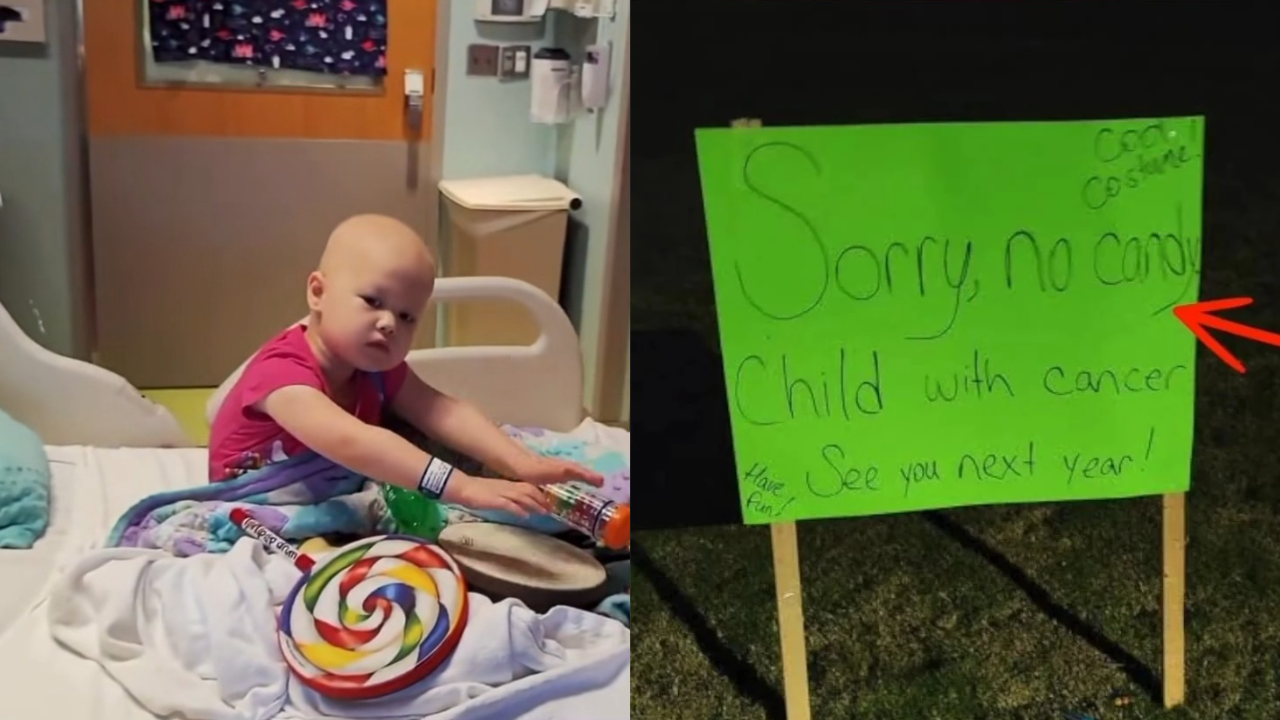
The sign made Zoe's absence legible, and the children answered it in the only currency they had that night.
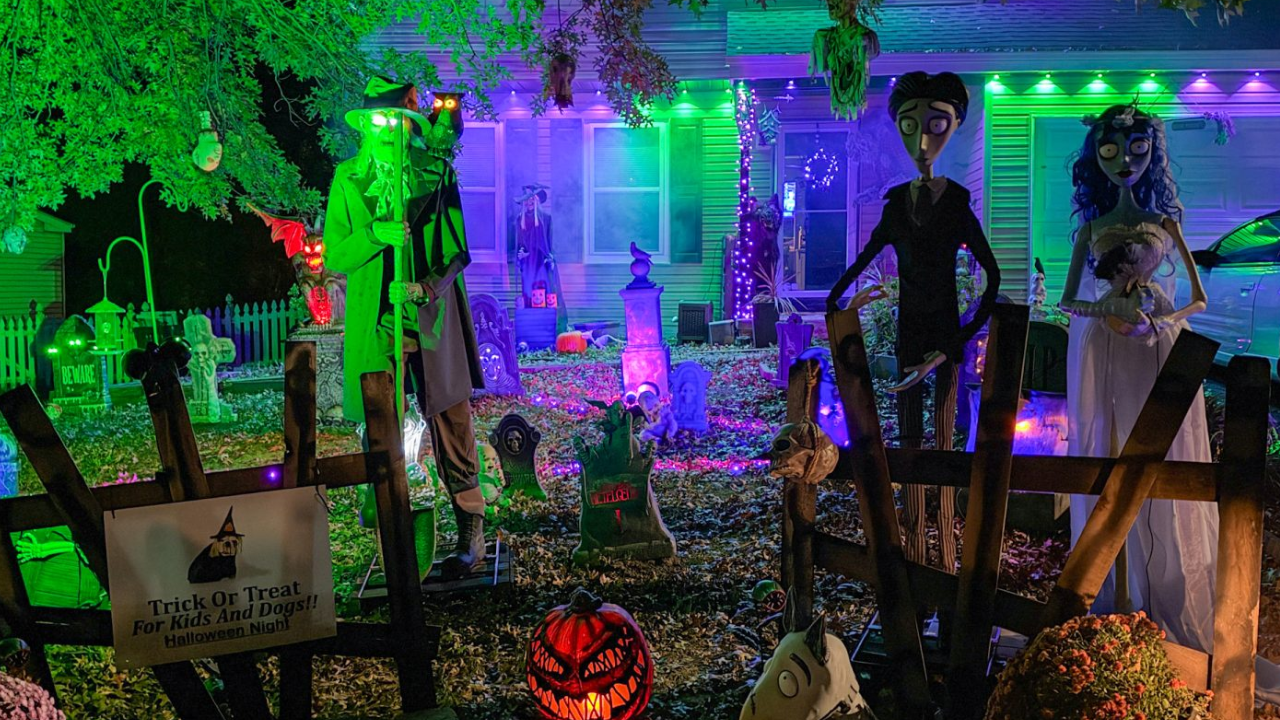
Halloween in Atlanta in 2020 looked much as it does elsewhere: costumes, carved pumpkins, children moving from door to door. One house stood apart. There were no lights and no decorations, only a board that read, according to the Times of India, "Sorry, no candy. Child with cancer. See you next year!" The house belonged to three-year-old Zoe Thomas, who was being treated for leukaemia, a cancer of the blood and bone marrow.
The report traces the diagnosis to a moment of ordinary affection. Courtney Thomas, Zoe's mother and a paediatric nurse, felt a swelling in her daughter's neck while cuddling her; Zoe had been unusually tired and was struggling with an ear infection. Her husband, T.J. Thomas, later noticed small bruises near the girl's collarbone. Blood tests the following day confirmed leukaemia. The Times of India cites the US National Cancer Institute in describing how the disease crowds out healthy blood cells, weakening the body's ability to fight infection, carry oxygen and control bleeding.
Treatment left Zoe's immune system vulnerable, and the year was 2020, when the COVID-19 pandemic was still spreading. Her parents chose to keep her indoors rather than let her join the trick-or-treaters. What followed, as the report tells it, was not sadness but a quiet redistribution. Children who read the sign began placing their own collected sweets outside the house, some with notes of encouragement. The family's doorbell camera recorded the visits.
The story matters less for its scale than for what it shows about how communities absorb illness. A child in treatment is often invisible to a neighbourhood, shielded indoors by medical advice and parental caution. The sign made Zoe's absence legible, and the children answered it in the only currency they had that night. The report frames the gesture as a lesson in what festivals are for: not only dressing up and collecting sweets, but sharing what one has so that someone else is not left outside the celebration.
Courtney Thomas was, in the paper's words, overwhelmed. The details beyond that are thin. The report does not say how many children left treats, what the notes said, how Zoe's treatment has since progressed, or whether the family marked Halloween the following year as the sign promised. It gives no account of the neighbourhood beyond the doorbell footage, and the account rests on the family's own recording and recollection. Those gaps are worth naming. A story of this kind travels because it is warm, and warmth is not evidence.
What can be said is narrower and still worth saying. A parent who expected to watch her daughter collect sweets from neighbours instead watched neighbours bring sweets to her daughter. The children who did so gave up something they had spent the evening gathering, for a girl they had never met. The report presents this as a small thing that meant much more than a bag of sweets. On the available record, that is the whole of it, and it is enough.