The single commitment equals half the campaign's overall target, and the college reports it has already raised $350 million from alumni, parents and supporters since a quiet phase began in 2020.
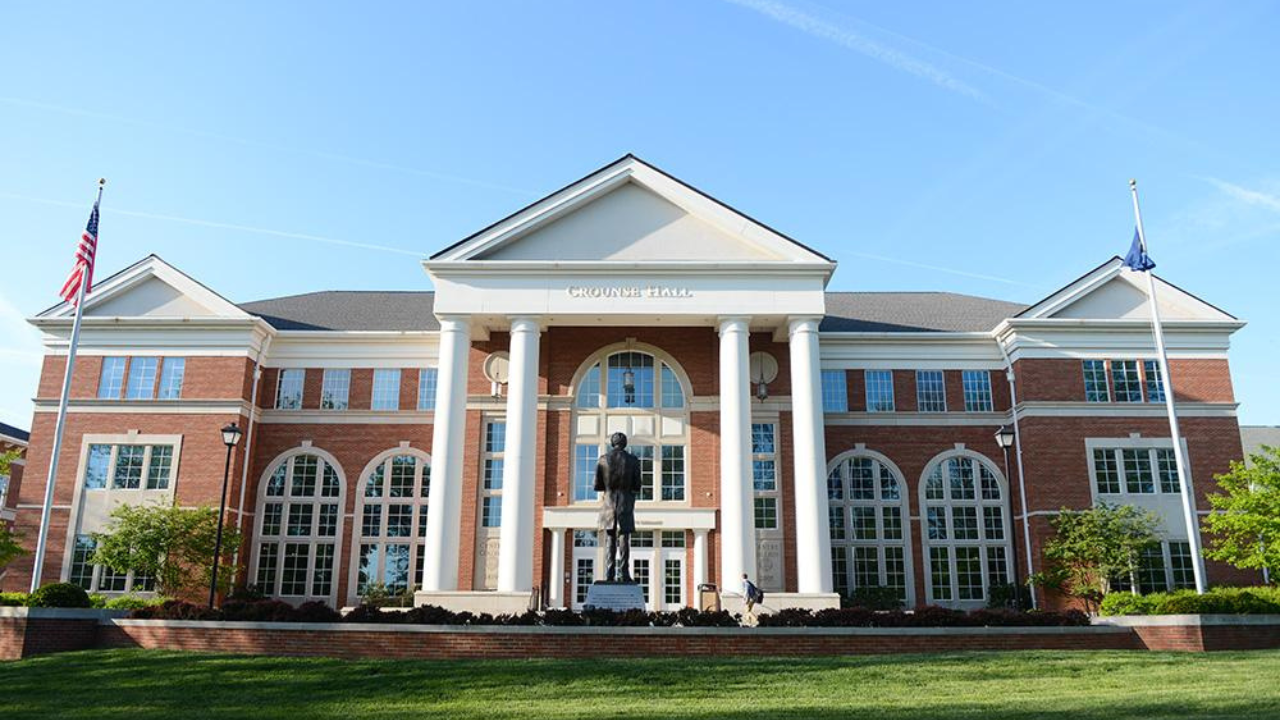
An anonymous donor has pledged $225 million to Centre College in Danville, Kentucky, according to a report in the Times of India. The gift, announced on 16 October 2026, will establish the Centre Forever Fund, an endowed vehicle for merit-based and need-based scholarships. It anchors a $450 million fundraising campaign, Pillars of Excellence: The Campaign for Centre College, which the institution describes as the most ambitious in its 207-year history.
The arithmetic is striking. The single commitment equals half the campaign's overall target, and the college reports it has already raised $350 million from alumni, parents and supporters since a quiet phase began in 2020. The campaign aims to double an endowment valued at roughly $450 million at the time of the announcement. Endowed scholarships are typically sustained by investment returns rather than the principal, which means the gift is designed to keep giving long after the announcement fades.
What the college has not said matters as much as what it has. According to the report, Centre has not disclosed how many students will receive scholarships or how much any individual might receive. The donor's identity has not been made public, though he is quoted as saying that he and his wife believe in the college's mission of providing an exceptional liberal arts education to deserving students, and that they hope the gift encourages others to give. President Milton C. Moreland said the contribution would support the institution's work of preparing students to become leaders in their communities and beyond. Jess Metzmeier, vice president for engagement and advancement, linked it to access, affordability, educational innovation and student success.
The campaign's six stated priorities run well beyond scholarships: endowed professorships and new learning spaces; technology and innovation; programmes in civil discourse, cultural engagement and leadership; student accommodation, wellness and communal spaces; and athletics. That breadth is characteristic of American private colleges competing for students in a market where published tuition often deters families before aid is even calculated. A large endowed fund gives an institution room to discount more aggressively without eroding its operating budget, and it signals stability to prospective applicants and their parents.
Centre's reported outcomes, including that 98 per cent of graduates are employed or enrolled in graduate school within a year, are the kind of figures small liberal arts colleges lean on when making their case. Whether the new fund shifts access in measurable terms is a question only the college can answer, and it has not yet done so. The size of the gift is confirmed by the announcement; its effect on individual students is not.
The wider significance lies in the model. A single donor can now reshape the finances of a regional college more decisively than many public funding streams, and anonymity keeps the gift focused on the institution rather than the giver. For a sector under sustained pressure over affordability, that is a notable demonstration of concentrated private philanthropy. It is also, by its nature, unrepeatable at scale, and dependent on the decisions of individuals whose motives and identities remain private.