The accounts describe a sector squeezed simultaneously by demand-side competition, supply-side quality and cost inflation, with the full picture still emerging.
Britain's charity shops are confronting a changed secondhand clothing market, and the numbers are stark. According to filings reported by the Financial Times and covered by the Guardian, just £6 of every £100 spent in Oxfam's shops now goes towards the charity's work on alleviating global poverty, down from £22 as recently as 2022. Lorna Fallon, who heads Oxfam's retail operation, told the FT that the situation had been challenging and would be painful for the sector.
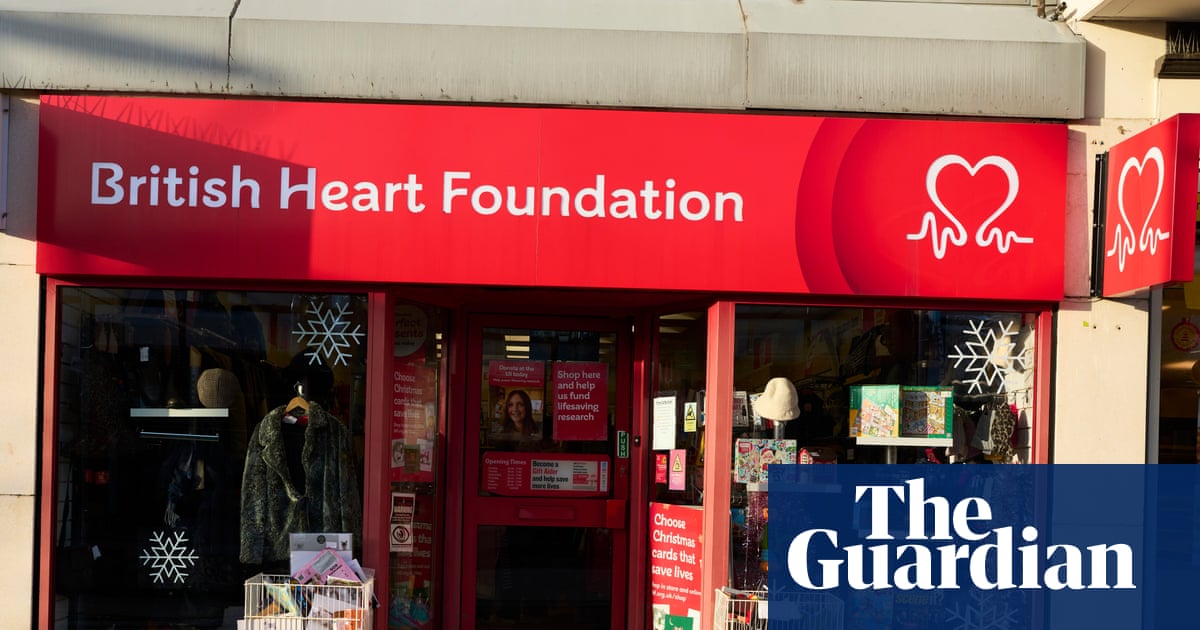
The British Heart Foundation offers a parallel case. In June it carried out a major review of its retail arm, which employs almost 3,700 staff, after profits from its shops plunged from £18.8m in 2024 to £3.6m in the year to 31 March 2025. The charity cited an exceptionally challenging trading environment and said it aimed to close 90 stores by the end of March 2027, with another 60 to follow by the following March. Oxfam, by contrast, has no plans to reduce its number of shops, given its focus on books and music.
Part of the pressure comes from competition. Platforms such as Vinted and Depop connect sellers directly with buyers, while charity shops remain exposed to high street and warehouse rents and to the costs of collecting, sorting, pricing and storing clothes. The quality of donations is a further problem. Tansy Hoskins, author of Charity Shop World, told the Guardian that the sector was dealing with avalanches of poor-quality clothes, describing quality as having gone through the floor. Robin Osterley, chief executive of the Charity Retail Association, acknowledged that fast fashion has had an impact on donations quality.
Osterley, however, disputed the idea that online resale is the main culprit. He said the platforms were normalising secondhand shopping and that many people buy from charity shops to sell on, generating significant income for members. He instead pointed to the November 2024 Budget, where national insurance increases and a lower threshold, affecting part-time staff in particular, had a really significant effect on costs, alongside wider inflationary pressure.
Richard Hawkes, chief executive of Oxfam GB, said the sector had been affected by the cost-of-living crisis like the rest of the high street, but insisted there was much to be positive about. He argued that the growth of secondhand presents opportunities, though it requires thinking differently about the traditional charity retail model, and noted that shops provide a community presence and engage more than 20,000 volunteers.
What the reports do not establish is how far each factor is responsible for the decline, or whether closures will spread beyond the BHF's stated plans. The accounts describe a sector squeezed simultaneously by demand-side competition, supply-side quality and cost inflation, with the full picture still emerging.