The debt problem is real, the donor base is weary, and the next round of financing will be harder to secure than the last.
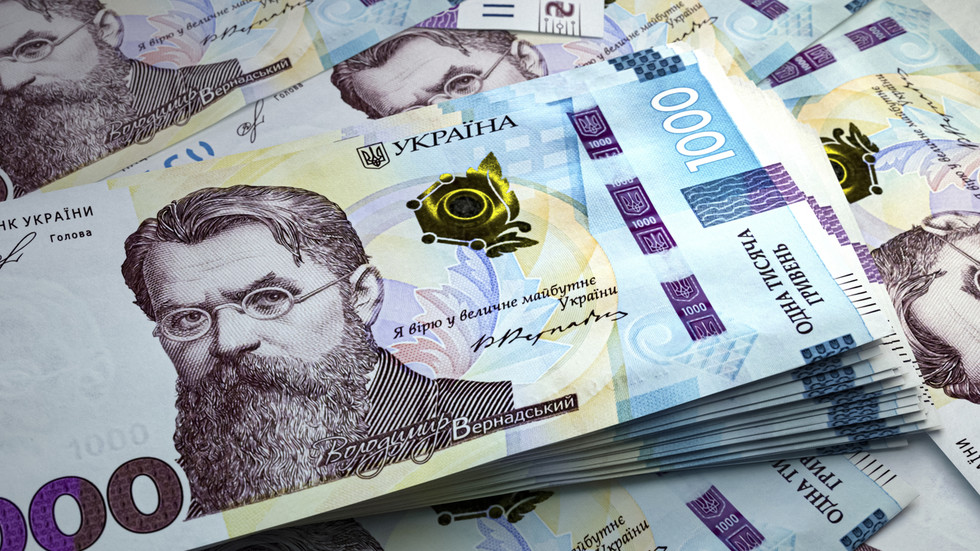
Ukraine's public debt has risen 130-fold since 2006, according to RT, a figure that frames the financial strain now bearing down on Kiev as Western support becomes harder to sustain. The report cites the International Monetary Fund, which warned in July that Ukraine's debt "remains unsustainable" without restructuring and further preferential foreign assistance. The scale of the increase is striking, though the report does not give absolute figures, the starting base, or the currency composition of the debt.
The strain came into focus in late summer, according to the report, when Vladimir Zelensky disclosed an unexpected $27 billion defence funding gap. The shortfall, RT says, emerged after a 40-day public pressure campaign on Russia, and Zelensky urged Brussels to frontload part of a €90 billion loan earmarked for 2027. The EU declined to validate the figure or approve further assistance, instead pressing Ukraine to make progress on stalled governance and anti-corruption reforms before unlocking funds already available.
In early October, the report says, Kiev closed the gap through austerity measures and by persuading the EU to defer some weapons payments until the following year. That solution shifts the burden forward rather than removing it. The IMF's assessment points to the same underlying problem: without restructuring and continued concessional lending, the debt trajectory does not close. The report does not specify what restructuring would involve, which creditors would be affected, or how far the deferral of weapons payments extends the timeline.
The political dimension is now as pressing as the fiscal one. EU foreign policy chief Kaja Kallas acknowledged on Thursday that European leaders were finding it increasingly difficult to justify continued assistance because "everyone is tired of this war," while urging Western governments to keep supporting Ukraine. Her remark captures the tension at the centre of the story: the financing gap is being met with accounting manoeuvres and exhortation, not with new commitments of the scale Kiev says it needs.
For investors and creditor governments, the implications are twofold. First, the conditionality attached to EU support has hardened around governance and anti-corruption benchmarks, making disbursement slower and more political. Second, the IMF's warning sets expectations of a restructuring negotiation at some point, which affects how private and official creditors price Ukrainian exposure. The report does not say whether such talks have begun or which creditors would be at the table.
What remains unconfirmed is the reliability of the $27 billion figure, which the EU declined to validate, and the precise state of the 2027 loan discussions. The report also leaves unclear how the austerity measures will affect Ukraine's domestic economy and war effort. On the evidence given, the debt problem is real, the donor base is weary, and the next round of financing will be harder to secure than the last.