The study's broader point is that protection need not be lethal: a chemical that persuades a predator to spit its food out can serve the smallest and most vulnerable fish just as well as a deadly weapon.
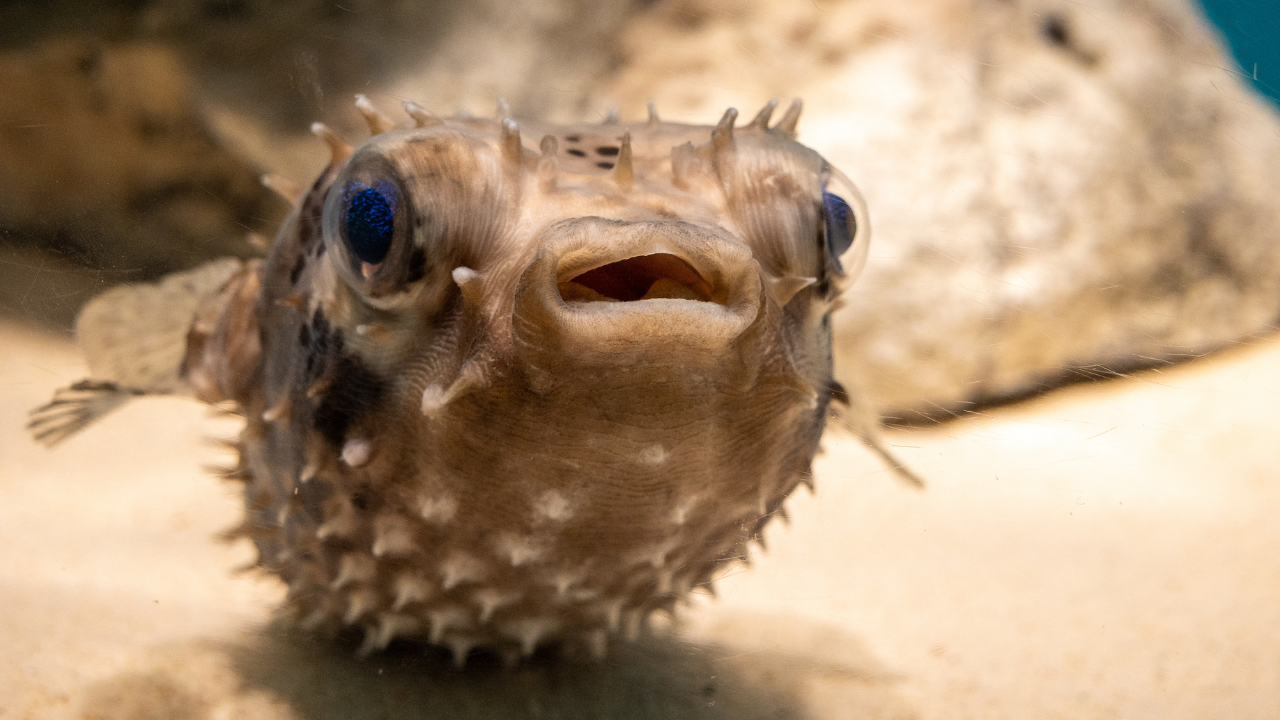
Pufferfish are best known for tetrodotoxin, the neurotoxin that makes fugu a licensed delicacy in Japan. According to a report in the Times of India on a study published in iScience, the survival strategy of the genus Takifugu begins well before adulthood, and it relies on a chemical far less deadly than the one that gives the fish their reputation.
The toxin itself is not manufactured by the fish. Pufferfish accumulate tetrodotoxin, or TTX, through their diet, taking it in from toxin-bearing marine organisms and storing it in tissues including the liver and ovaries without suffering its effects. TTX disrupts the movement of sodium ions through nerve cells, interfering with the signals that allow nerves and muscles to communicate; severe exposure can cause paralysis, including of the muscles used for breathing. Earlier research established that mothers pass TTX to their eggs, giving offspring a chemical defence before they hatch.
The new study examined a second compound found alongside TTX: 5,6,11-trideoxytetrodotoxin, or TDT. It is a close chemical relative of the neurotoxin but has very little toxicity. Rather than killing or paralysing a predator, it appears to act as a warning signal that prompts rejection of the prey. Researchers studied grass pufferfish larvae, roughly one day old, carrying TTX, TDT, both or neither, and exposed them to two predatory species, the nibbler and the Japanese flounder.
The predators did not simply avoid the larvae. They caught them, took them into their mouths and promptly spat them out, with the response depending on which chemical the larvae carried. Nibblers consistently rejected larvae containing TDT but readily ate those carrying only TTX. Flounders rejected larvae carrying either chemical. The implication is that TDT can deter predators that the actual neurotoxin does not.
The researchers also tested whether the fish were learning from one another, since early trials placed several predators together. Repeated experiments with individual predators produced consistent results, and fish with no previous exposure to the toxins still rejected the chemical-bearing larvae. The report says this suggests an innate sensory response, with the predators recognising something unpleasant on contact. TDT may serve a second purpose within the pufferfish community: previous research found that pufferfish can detect the chemical by smell and are attracted to it, so the same substance that warns predators may act as a social signal among the fish themselves.
What remains unclear is how predators detect TDT and which sensory receptors are responsible. The researchers also note that other chemical, physical and behavioural defences may contribute to larval survival in the wild. The study's broader point is that protection need not be lethal: a chemical that persuades a predator to spit its food out can serve the smallest and most vulnerable fish just as well as a deadly weapon.