The gap between reassurance and warning is itself the story.
NATO Secretary General Mark Rutte has dismissed concerns that a summit in China involving US President Donald Trump, Russian President Vladimir Putin and Chinese President Xi Jinping could produce a new division of influence in the style of Yalta, according to TRT World. Speaking to reporters in Berlin on Thursday, Rutte said it was important that leaders meet and that he was "absolutely not worried" by the gathering.
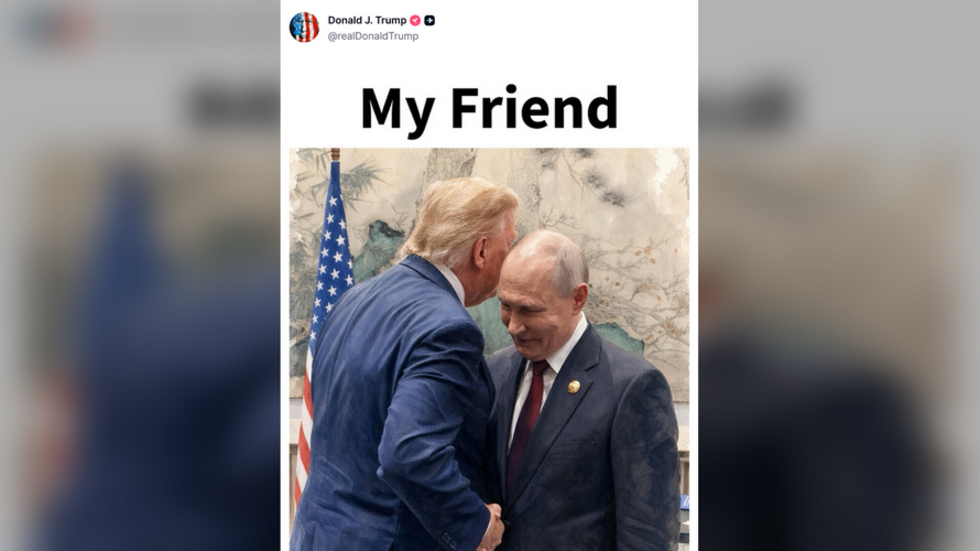
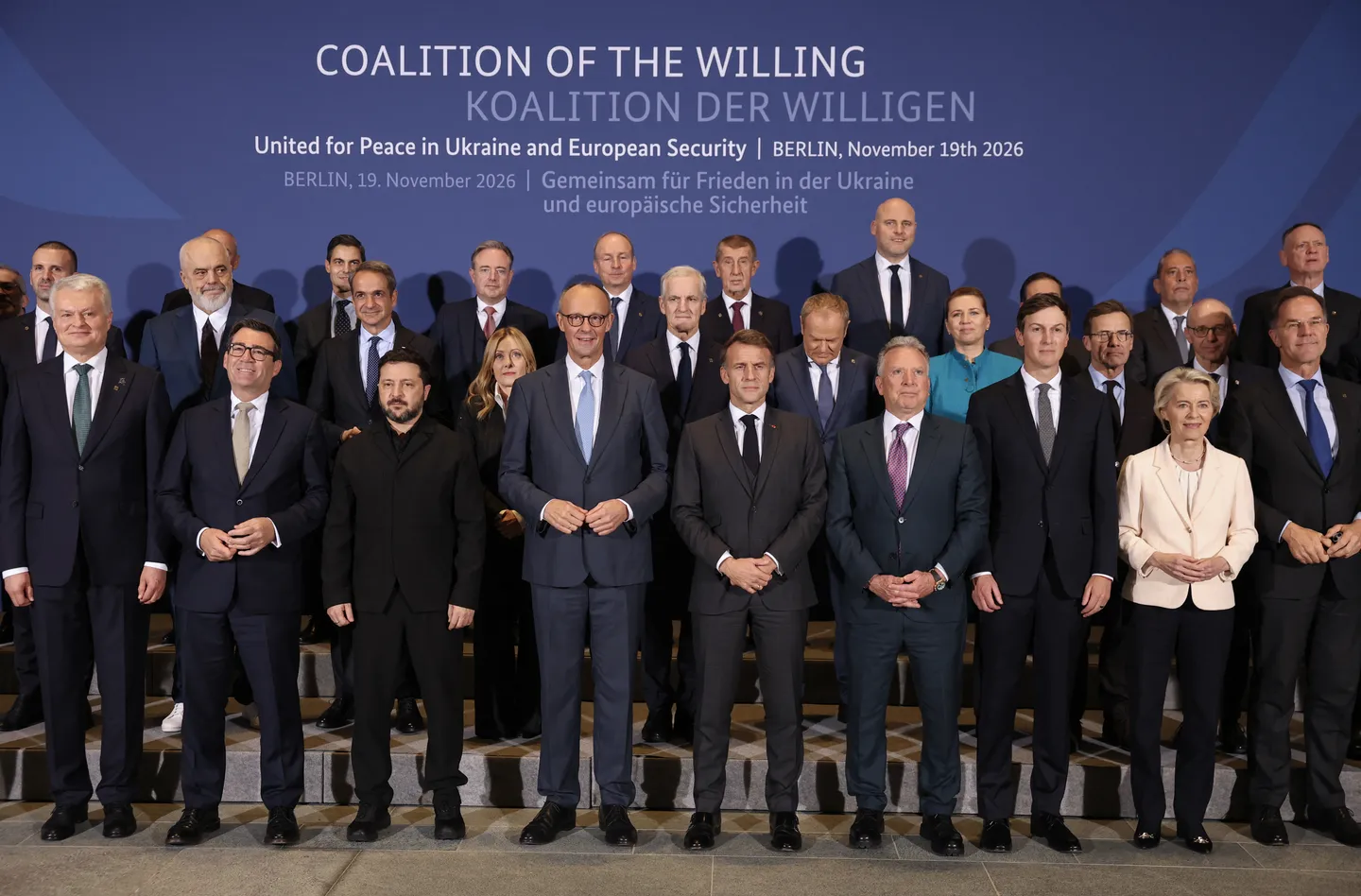
Asked about Trump describing Putin as "a friend" during the meeting, the NATO chief said encounters among the leaders of major powers, including nuclear powers, are normal. He added that Trump had been working with "herculean efforts" to get peace done in Ukraine and that he could only commend him for it. The remarks were made ahead of a Ukraine "Coalition of the Willing" meeting hosted by German Chancellor Friedrich Merz.
Merz struck a different note, warning that a "Yalta format" would not bring peace and that talks on Ukraine would succeed only when conducted together with Ukraine and Europe. The reference is to the 1945 Yalta Conference, at which the great powers divided post-war Europe into spheres of influence. According to the report, some European politicians feared before the China summit that it could become a "Yalta 2.0", with possible Trump concessions to Russia on Ukraine and a new global split of influence zones decided without Europe at the table.
Lithuanian President Gitanas Nauseda told reporters he does not expect the summit to amount to a new Yalta, saying the subject of the discussions was not the division or the spheres of influence. He said he was interested to understand how China and Russia would be drivers of United Nations reform, given that both have opposed reforms because of veto rights. Nauseda repeated Europe's position that any discussion of Ukraine's future should include Ukrainians and Europeans, stressing that there should be no discussions about the future of Ukraine without Ukraine and none about the future of Europe without Europe.
The exchange exposes the central anxiety in European capitals: that a gathering of the three largest powers could settle questions of territory and security over the heads of those most directly affected. Rutte's calm is a deliberate signal that NATO does not treat the meeting as a carve-up, while Merz and Nauseda are setting out the conditions under which Europe would accept any outcome. The gap between reassurance and warning is itself the story.
What is not yet known is what was actually discussed or agreed in China, and the report gives no detail of any conclusions. Whether Trump made any concessions to Russia, and whether United Nations reform was formally on the agenda, remains unconfirmed. The reported comments describe expectations and fears rather than outcomes, and the substance of the summit has yet to be established.