The episode nonetheless matters beyond personnel: it shows a White House processing an electoral defeat through competing briefings.
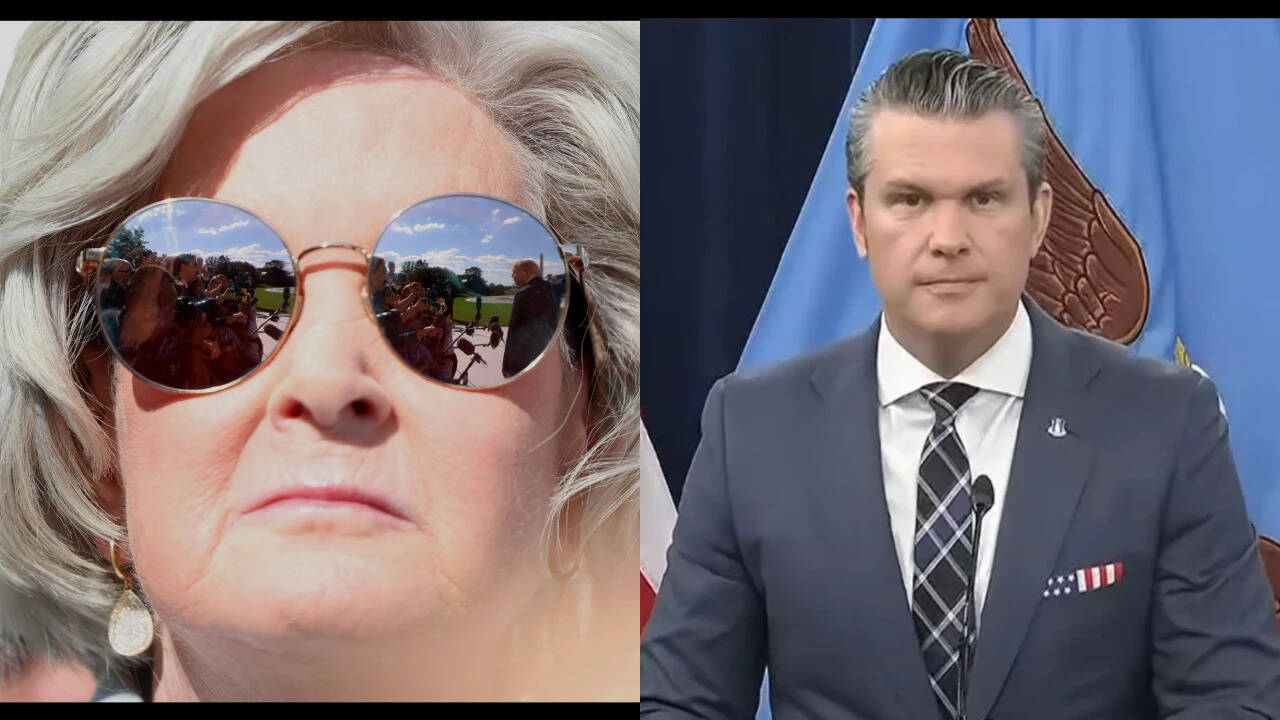
Susie Wiles was replaced as White House chief of staff by Stephen Miller within three days of the Republican Party's midterm defeat, and the absence of a clear official explanation has been filled by several competing and partly contradictory accounts, according to a report in the Times of India. The accounts differ on whether President Trump shouted at Wiles until she left the room, whether he would ever do so, whether she wished to leave the job after recovering from breast cancer, and whether she was instead fighting to keep it.
The most detailed strand concerns an alleged plan to hold an offsite meeting at Camp David on Saturday, 7 November, to which Wiles reportedly invited White House officials and aides regarded as loyal to her. The purpose, according to the Daily Mail account cited in the report, was to work out how she could survive the leadership shake-up and remain in power. The meeting was reportedly delayed and then cancelled after Trump decided to replace her. The president was scheduled to be in Florida on the Saturday.
The same account alleges that Wiles and her allies sought to place responsibility for the party's midterm performance on Defence Secretary Pete Hegseth, particularly over his role in the Iran war, which the report says contributed to rising living costs including higher petrol prices. A senior Pentagon official was quoted as saying that Wiles was trying to push Hegseth out to deflect blame for the Republican defeat. A source close to Trump said advisers had repeatedly told the president that Wiles' team was leaking stories about Hegseth to divert attention from her own position, and that enough people eventually spoke to him that he became very upset.
The report describes a series of headlines after the 3 November elections concerning Trump's alleged anger with Hegseth, as the president sought advice from close advisers on whether to remove the defence secretary. A former Trump official accused Wiles of leaking, using a blunt epithet. Another narrative holds that Wiles controlled what emerged from the White House and decided what to release to the media and what to withhold.
What remains unconfirmed is substantial. There is no official account of why Wiles departed, no confirmation that the Camp David meeting was convened for the purpose described, and no public evidence tying the leaks to her or her team. The claims rest on unnamed officials and sources described as close to the president, and the narratives conflict with one another on basic points. The episode nonetheless matters beyond personnel: it shows a White House processing an electoral defeat through competing briefings, with a cabinet secretary's position and the public explanation for the loss both in contention. Until an authoritative account emerges, the sequence of events should be treated as reported rather than established.