What the Frankfurt gathering shows is a diaspora opposition with money, organisation and a recognisable face. What it does not show is a mandate.
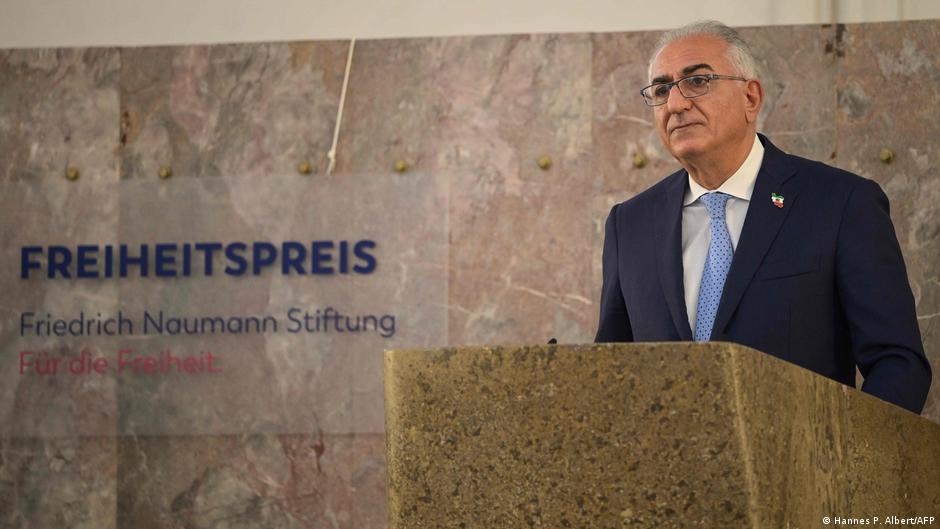
Reza Pahlavi, the son of Iran's last shah, received a "Freedom Prize" in Frankfurt on Saturday, according to DW. Police put the crowd at some 18,000 people, gathered at St Paul's Church, the building that housed the Frankfurt Assembly of 1848-1849. The prize was awarded by the Friedrich Naumann Foundation, which is tied to the pro-business Free Democratic Party.
The symbolism was deliberate. Pahlavi told the audience that Iran "is a country not waiting to be taught democracy, this is a country being prevented from practicing it." He added that "a people ready to die for the right to vote is willing to exercise the right to vote." He framed the award as a temporary trust, saying he would one day place it "in the hands of its rightful owners, not on foreign soil but in the capital, Tehran." The speech was accompanied by chants of "Long live the shah, long live Iran!" from the crowd.
The event also exposed the fault lines around Pahlavi's standing. According to DW, around 200 prisoners held in Iran signed a letter protesting the award, describing him as the symbol of a "bygone dictatorship"; the claim was attributed to Sahar Sanaie, spokeswoman for the Society for German-Iranians in Hesse, cited by AFP. The Frankfurt branches of the Social Democrats and the Greens boycotted the event, saying he could not be considered a legitimate representative of the Iranian people. The Left Party argued that city statutes bar the use of places of worship for political gatherings.
Pahlavi has offered in the past to lead a transitional government in the event of a democratic transition, and has said he does not aim to use such a position to restore the monarchy, leaving that decision to a later referendum. DW reports that he has become a figurehead for factions within the protest movement, while others criticise his vocal support for Israel and accuse him of failing to distance himself from his father's autocratic rule. Rights groups say thousands were killed in a government crackdown on protests in January.
What the Frankfurt gathering shows is a diaspora opposition with money, organisation and a recognisable face. What it does not show is a mandate. A prize from a German political foundation and a large rally in a church are not the same as a decision by Iranians inside the country about who should speak for them. The boycott by two parties in the host city, and the letter attributed to prisoners, underline that the question of legitimacy is unresolved. Whether Pahlavi's transitional proposal has purchase among those who would have to carry it out is not established by this event, and the report offers no evidence of it.