Until those questions are answered, the early percentages should be read as a snapshot rather than a verdict.
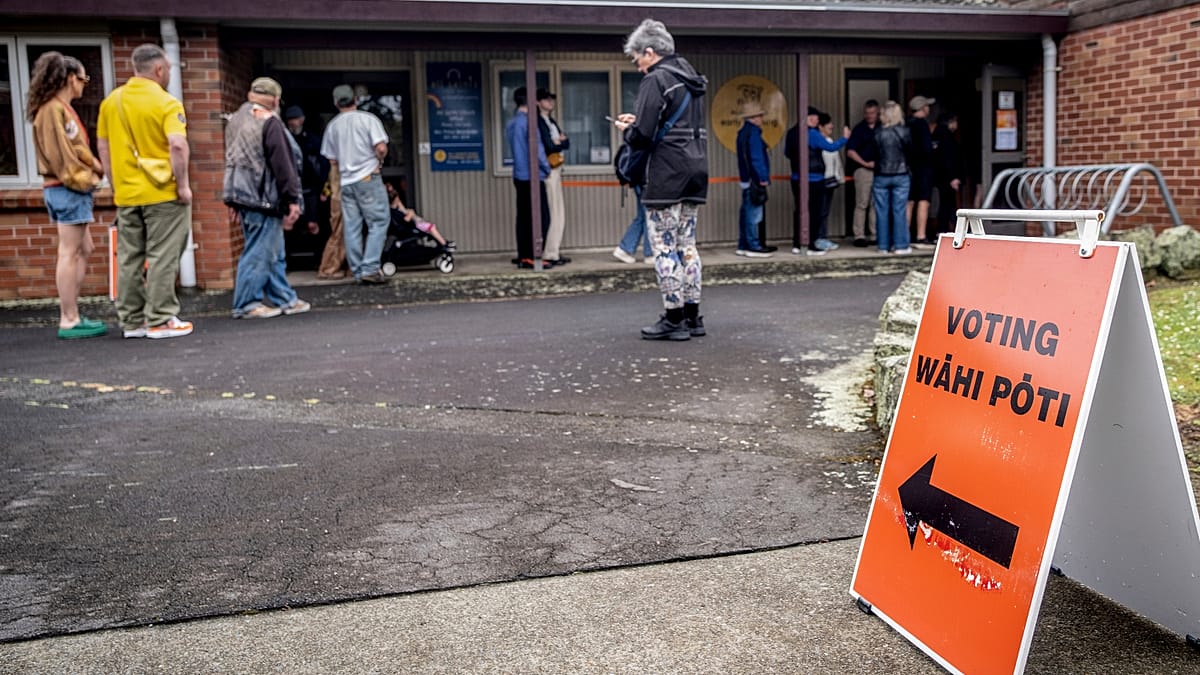
New Zealand is counting votes in a general election that remains too close to call, according to Euronews. With polls closed and counting under way, early results placed the opposition Labour Party of Chris Hipkins on 29.71 per cent of the vote and Prime Minister Christopher Luxon's National Party on 29.41 per cent at the time of the report. Just over 42 per cent of votes had been counted.
The campaign centred on the cost of living and the economy, the report notes, and Luxon's National-led coalition is seeking a second term. The fragmentation of the early count is striking: the Green Party sits on 13.96 per cent, National's coalition partner ACT New Zealand on 10.63 per cent and New Zealand First on 9.41 per cent. None of the parties on the ballot is expected to secure a majority in parliament, according to the report.
That expectation matters more than the near-tie between the two largest parties. Under New Zealand's mixed-member system, voters cast both a party vote and an electorate vote, and government is formed through the party vote. A parliament without a majority for any single party makes the smaller groupings decisive, and the shape of the next government will depend on negotiations that have not yet begun in any formal sense.
The report also sets out how the two ballots work. The electorate vote chooses a candidate to represent a local voting area in parliament, while the party vote determines the balance of power in the House. Voters of Māori descent may choose between the general roll and the Māori roll; those on the Māori roll pick a candidate in the Māori electorate where they live, while those on the general roll vote in a general electorate. Euronews gives the example of a Rotorua voter choosing between the Waiariki and Rotorua electorates.
What is not yet known is considerable. The count is incomplete, the margin between Labour and National is well within the range that later returns can overturn, and no coalition arithmetic has been tested. The report does not indicate when a final result is expected, nor what the parties have said about potential governing arrangements. Until those questions are answered, the early percentages should be read as a snapshot rather than a verdict.
The wider significance lies in the campaign's focus. An election fought over the cost of living, in a small open economy exposed to imported prices, tests whether an incumbent coalition can defend its record on household finances. The early count suggests a electorate narrowly divided on that question, with a substantial share of voters turning to smaller parties. The negotiations that follow will reveal whether that division produces a stable government or a prolonged period of bargaining.