The public record remains thin.
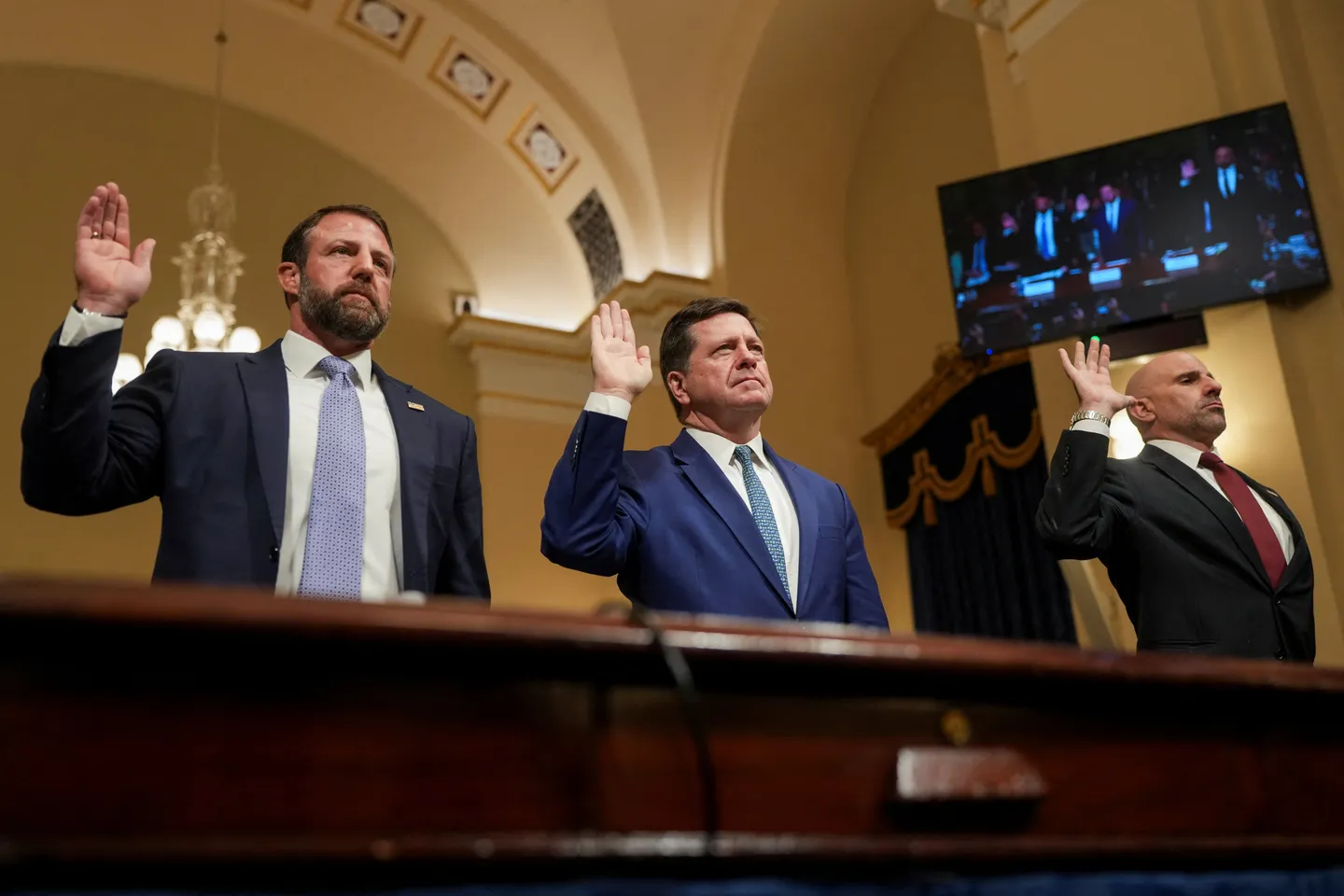
The United States Director of National Intelligence, Jay Clayton, told a House Homeland Security Committee hearing on Wednesday that threats from Iran against Americans have "substantially increased", according to TRT World. Briefing lawmakers on worldwide threats, Clayton said Washington remained committed to detecting, deterring and combating what he described as Iranian lethal plotting both outside and inside the United States. "Our women and men abroad, our women and men here in the United States, are under greater threat," he said.
The FBI's deputy director, Christopher Raia, told the same hearing that the bureau had revamped its Iranian threat mission centre, and pointed to what he called public wins against lethal plotting directed at dissidents. The hearing, titled "Worldwide Threats to the Homeland: 25 Years After 9/11", was notable for the absence of FBI Director Kash Patel, a gap that drew criticism from committee chairman Andrew Garbarino.
The public record remains thin. Neither official offered specific plots, arrests or evidence behind the assessment, and the claims rest on the authority of the officials making them rather than on material placed before the public. Earlier, Iran dismissed a report that Tehran was planning to target US officials with chemical weapons, after President Donald Trump said Washington took any possible threat seriously. Tehran called the report fabricated and suggested Washington was "seeking to lay the media groundwork for their sinister designs". That exchange matters: when allegations of this gravity are traded without public evidence, each side's account is contested by the other, and outside observers have little to weigh.
Clayton also used the hearing to address last week's wave of outages at US banks, airlines and technology firms. He acknowledged that the timing could raise questions, and said the American people should ask them. But based on what is known, he said, the disruptions were separate service outages tied to maintenance and technical changes, not a coordinated or state-sponsored attack. The intelligence community, he added, continues to monitor for malicious cyber activity against US networks and law enforcement partners.
The backdrop is a war that began on 28 February with US-Israeli strikes on Iran and subsequent Iranian strikes on US allies and assets in the Middle East. A framework agreement signed in June opened formal talks toward a comprehensive settlement, but the process has since stalled over security guarantees and freedom of navigation through the Strait of Hormuz. Wednesday's warnings land inside that stalemate, and they will shape how Congress and the public read any future move toward talks or escalation. What is not yet known is what specifically prompted the revised assessment, whether it reflects new intelligence or a reweighting of existing material, and how Tehran will respond beyond denial.