The diplomatic traffic and the military planning are running in parallel, and neither has been suspended.
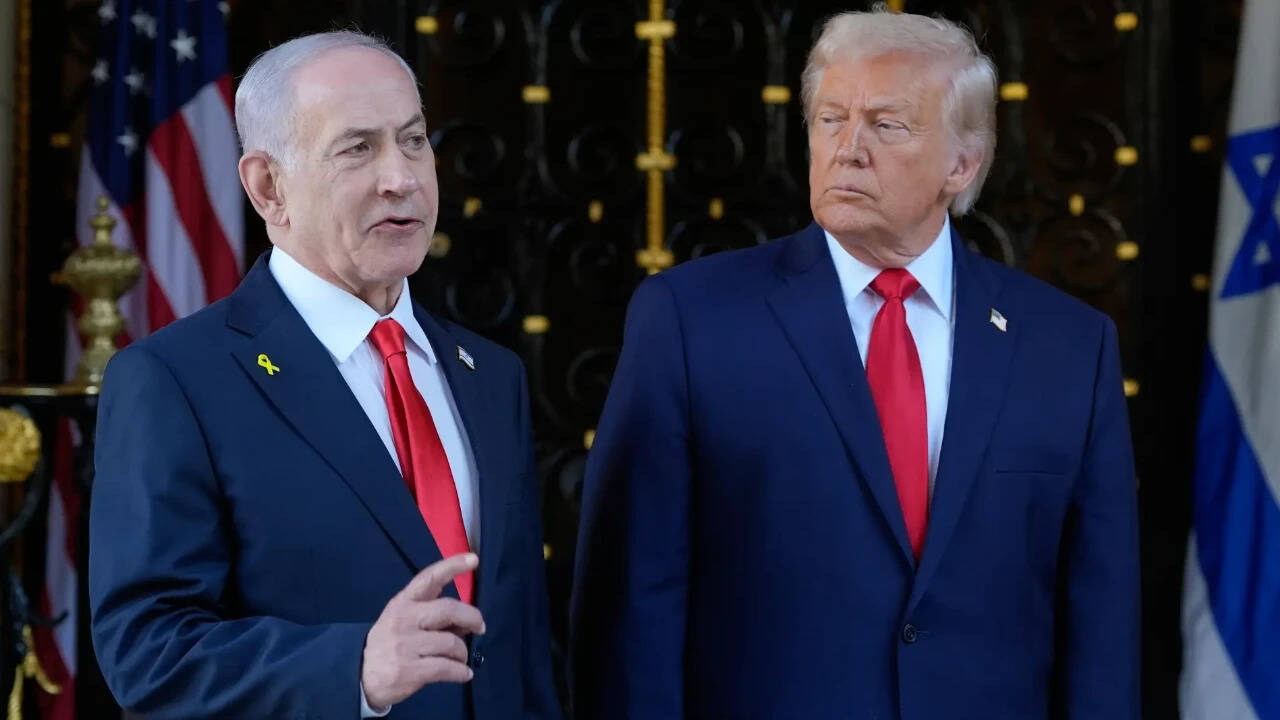
Donald Trump spoke by telephone to Benjamin Netanyahu on Saturday as Washington weighed whether to resume military operations against Iran, according to a US media report cited by the Times of India. The call followed a White House meeting earlier in the week at which the president discussed possible military action with senior commanders, the Wall Street Journal reported. The diplomatic traffic and the military planning are running in parallel, and neither has been suspended.
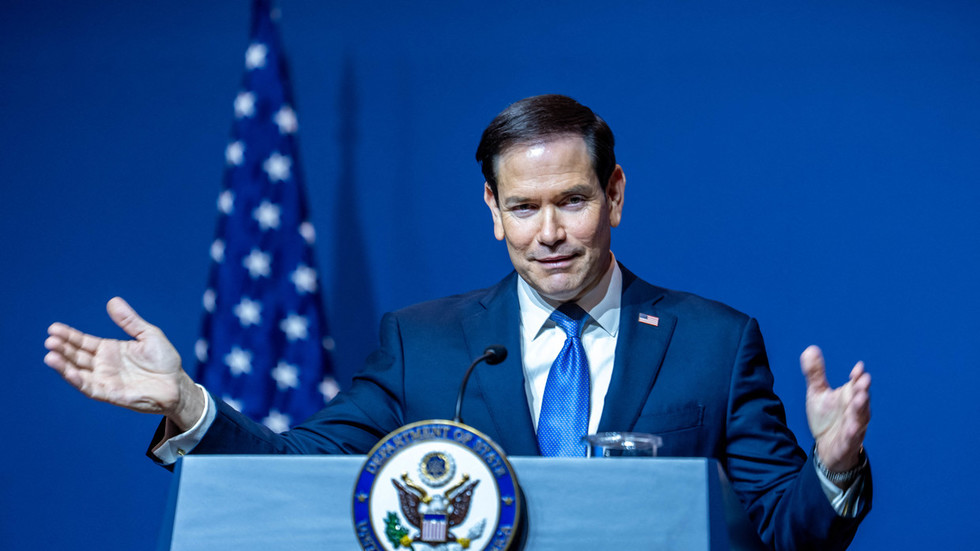
Marco Rubio, the US secretary of state, told reporters after the G20 foreign ministers' meeting in Georgia that talks with Tehran had not stopped and that Trump had yet to decide on renewed strikes. “There are multiple talks; talks have actually never stopped,” he said, describing conversations that are sometimes direct and often conducted through intermediaries. Rubio declined to set a deadline or to characterise progress, saying only that Washington would be open to a diplomatic solution that addressed Iran's nuclear programme and its support for armed groups in the region. On the use of force he was equally guarded: “We can achieve military objectives if we seek to. He hasn't made a decision.”
Israeli assessments reported by the Jerusalem Post suggest that preparations for a possible operation are under way, with US Central Command making arrangements, but that the White House is not expected to order strikes before the midterms unless it detects preparations for a surprise attack. The same reporting says plans for renewed strikes after the elections have also been drawn up. Israeli defence officials are said to doubt that Tehran would accept an agreement requiring it to abandon its nuclear programme entirely or halt ballistic missile production, and to suspect that Iran may be seeking to prolong negotiations until the US vote has passed. More than 3,000 American troops are reported to be stationed in Israel, and KAN News reported that ten US Air Force transport aircraft, believed to be carrying air defence systems, arrived at bases in southern Israel last week as part of a convoy that also reached Jordan, Qatar and Saudi Arabia.
Tehran has been signalling its own reading of the exchanges. Mohsen Rezaei, secretary of Iran's Supreme National Security Council, said the tone of a letter from Vice President JD Vance had shifted completely, calling it a good sign, according to Iranian state broadcaster IRIB. The letter was delivered through Qatari mediators on Sunday; the New York Times reported that it envisaged direct talks led by Vance with Iran's nuclear programme on the table from the outset, while the Wall Street Journal described it as a framework for negotiations rather than specific terms. Foreign minister Abbas Araghchi called Washington's attempt to open dialogue a positive step, and Al Jazeera, citing sources, reported that a meeting could take place within a week in Doha or Istanbul. Supreme Leader Mojtaba Khamenei warned that Iran's armed forces would respond to any military or terrorist attack, and that the response would be geographically unrestricted.
Rubio also accused Tehran of targeting commercial shipping and said US naval forces were intercepting drones and anti-ship missiles almost every night, though he said petroleum transit volumes remained comparable to pre-conflict levels. Trump, speaking at the White House on Friday, said Tehran was keen to negotiate and that “we have time, frankly.” Much remains unconfirmed: the substance of the Trump–Netanyahu call is unknown beyond the reported account, no decision on strikes has been announced, and the timing and venue of any meeting are unverified. What the record does show is a administration keeping both instruments in hand.