The military agreement does not by itself resolve who will lead the country, or on what mandate.
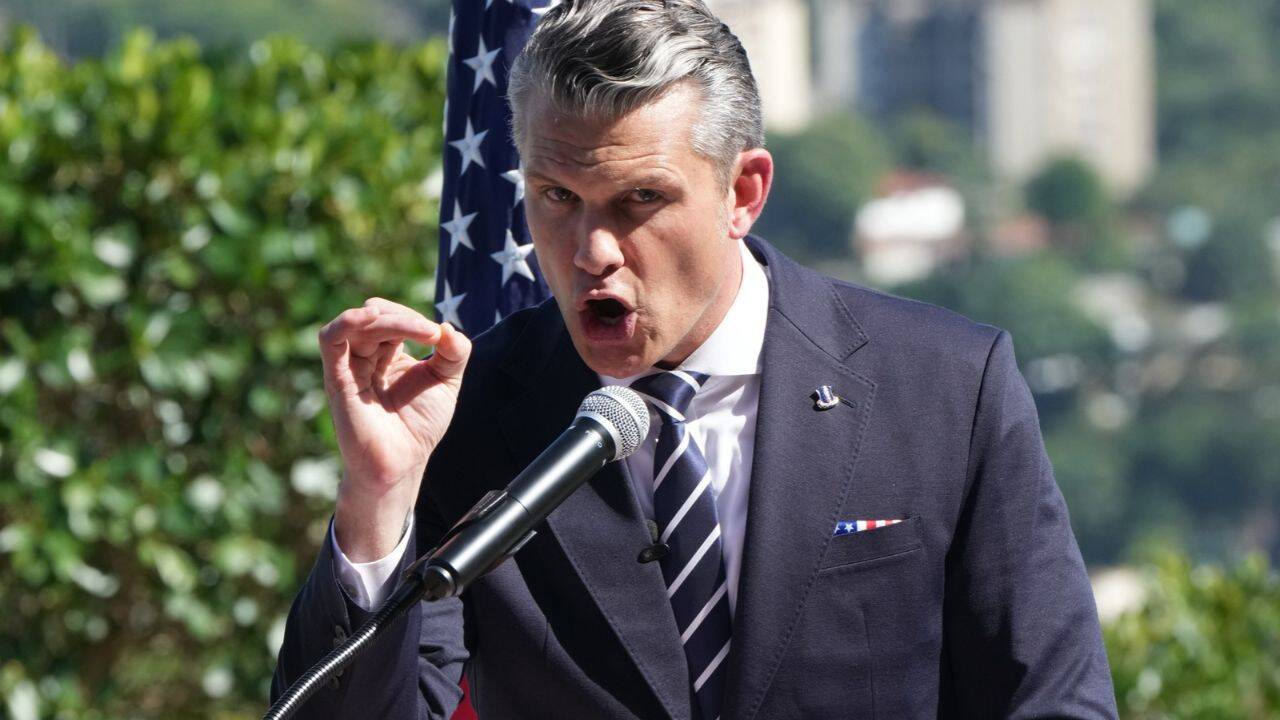
The United States and Venezuela have signed an agreement to restore military ties, US Defence Secretary Pete Hegseth announced on Wednesday, according to the Times of India. The deal comes more than ten months after American forces captured former Venezuelan president Nicolás Maduro and took him to the United States to face drug trafficking charges in New York. Hegseth gave few details, the report says, citing the news agency AP, though the agreement is expected to cover areas such as joint military training and intelligence sharing.
The signing reflects a wider shift in Washington's attention towards Latin America during President Donald Trump's second term. Hegseth used his visit to praise the operation that led to Maduro's capture, calling it "the single most sophisticated military operation in the history of Latin America" and saying it lasted just 48 minutes. He described the outcome as "no war, yes, peace", a phrase the report notes Maduro had himself used last year. Such language is political as much as military, and it frames the restored ties as the product of a decisive intervention rather than a negotiated settlement.
The political picture inside Venezuela is far less settled. The ruling party, in power since 1999, continues to govern, with Delcy Rodríguez serving as acting president. She assumed power after Maduro's capture and has continued as head of state despite her court-approved term expiring in July. Hegseth thanked her for working with Washington "closely and pragmatically and diligently" to stabilise the country, according to the report. Opposition leader María Corina Machado has recently returned from exile, a move US secretary of state Marco Rubio linked to US-backed "reconciliation talks" and described as the best opportunity in three decades for free and fair elections.
Yet no date has been set for the next presidential election, and that absence leaves many Venezuelans uncertain about their country's direction and about Trump's intentions. The report notes that while many welcomed Maduro's removal, others believe the White House has prioritised reviving Venezuela's oil industry over concrete steps to strengthen democracy, and remain sceptical that this will produce meaningful political change. The military agreement does not by itself resolve who will lead the country, or on what mandate.
What is not yet known is significant. The text of the agreement has not been published, and the scope of training and intelligence cooperation is unclear. Nor is it confirmed how the arrangement interacts with Venezuela's interim leadership or whether it is conditioned on progress towards elections. For now, the deal signals a pragmatic American engagement with Caracas, but the question of democratic legitimacy remains open.