Crossing a light-day does not change the physics of the mission. It changes the arithmetic of contact.
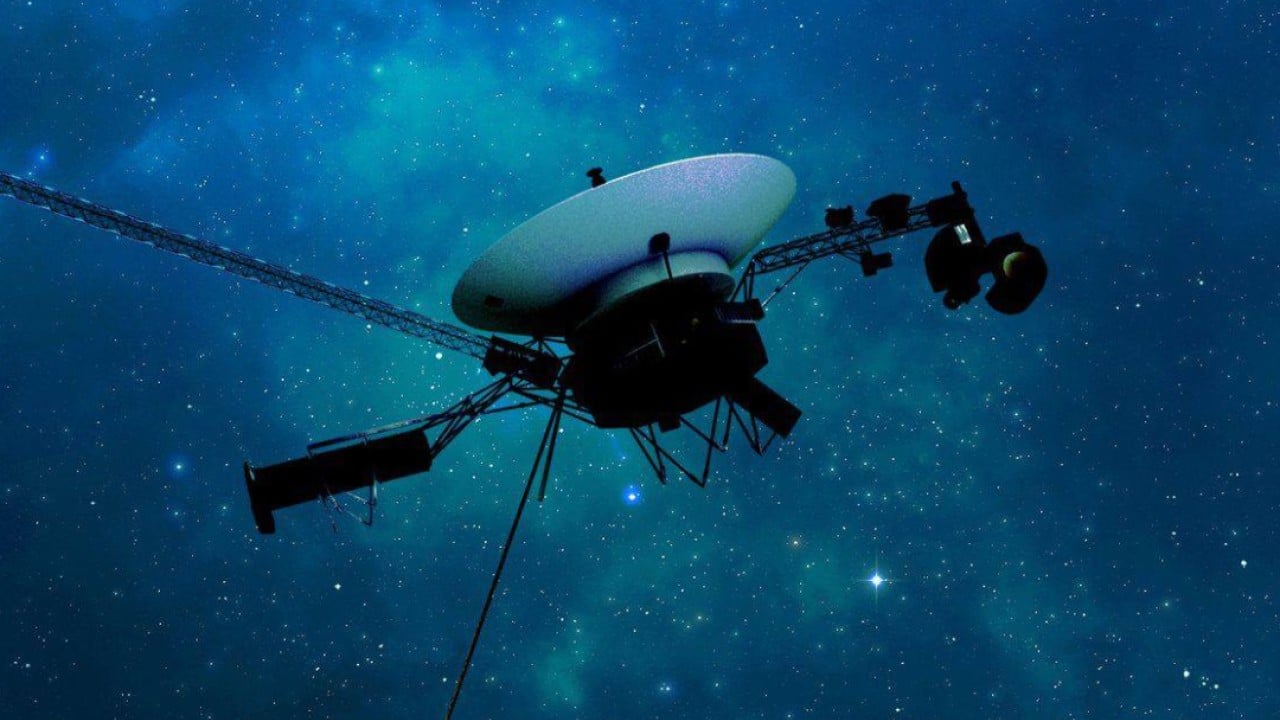
Voyager 1 will pass a milestone on Wednesday, November 18, when the spacecraft crosses beyond one light-day's travel time from Earth, according to a report by SCMP World. The probe, which lifted off from Cape Canaveral on September 5, 1977, has now travelled roughly 26 billion kilometres, the approximate distance light covers in 24 hours. Nasa has described the journey as "epic".
The figure is a measure of patience as much as of distance. The approximately 800kg probe has been outward bound for almost half a century, and every kilometre it adds now is hard won. Crossing a light-day does not change the physics of the mission. It changes the arithmetic of contact: a signal from Earth now takes a full day to reach the craft, and any reply takes another day to return. Communication becomes a two-day round trip, and the spacecraft's handlers must work with a machine that is effectively a day behind them at all times.
That constraint matters for what Voyager 1 can still do. The report does not say which instruments remain operational, what power the probe retains, or how Nasa intends to manage the mission as the signal weakens with distance. Nor does it specify what, if anything, is planned to mark the crossing. These are details the headline and summary do not supply, and they should not be assumed.
What is clear is that the milestone is symbolic. Voyager 1 left the heliosphere years ago and is now in interstellar space, and its distance is a reminder that the outer boundary of human reach is still measured in light-hours and light-days rather than in years. For an informed reader, the more interesting question is not whether the probe crosses the line, which it will, but how long an ageing machine can keep answering from the dark. On that, the report is silent.