The measures reflect the weight the exam carries in Korean society, and the political cost of appearing unable to protect it.
South Korea's education minister has resigned after a cheating scandal involving artificial intelligence engulfed the country's university entrance examinations, according to The Guardian. The minister, Choi, 72, told a parliamentary hearing on Monday that, asked whether he was confident authorities could catch would-be cheaters on exam day, he replied: "Due to my age, I am not confident I could." The remark drew swift public backlash, and Choi did not appear at press conferences in the days before Thursday's exam, where a vice minister instead announced the preventive measures.
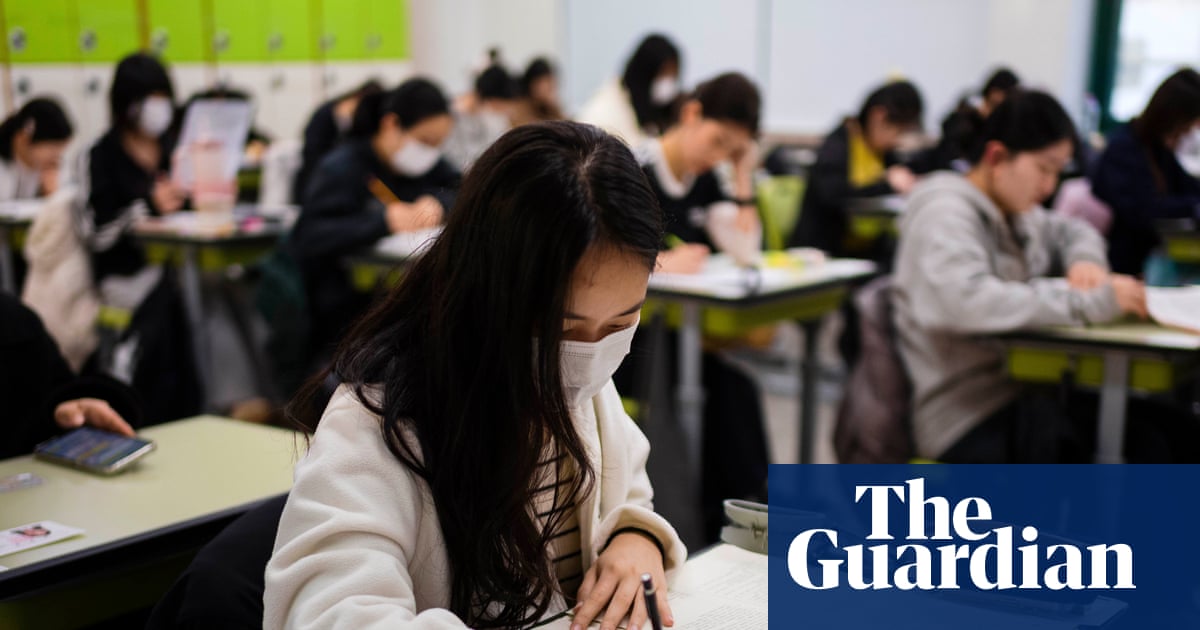
The resignation lands on an examination that South Korea treats as a national event. The suneung is run with extraordinary care: aircraft take-offs and landings are rescheduled during the 25-minute English listening paper to minimise noise, artillery fire and tank movements are suspended, the stock market opens an hour late, and cars are stopped 200 metres from every centre. The measures reflect the weight the exam carries in Korean society, and the political cost of appearing unable to protect it.
After the cheating scandal earlier this month, the government announced that smart devices would have to be turned off and handed in for the suneung, while bags left in corridors would be checked for any devices still on. Exam officials would also inspect all candidates' glasses and watches, as well as their collars, sleeves and buttons, for concealed cameras. The government also sent emergency alerts to every phone in the country, which sounded at full volume and could not be silenced, in the hope of catching out anyone who had not handed in a device.
Officials said 111 cases of misconduct involving electronic devices were identified during Thursday's exam, nearly half of which were detected through the emergency alerts. The figure suggests both that the new measures worked as intended and that a substantial number of candidates still attempted to bring devices into the exam hall despite the warnings.
What the report does not establish is the scale or nature of the original AI cheating incident, how the devices were used, or whether the resigning minister's remarks were the decisive factor in his departure. The Guardian's account does not say whether any candidates face further sanction, or what the government intends to change before the next examination cycle. Those questions will shape whether the episode is remembered as a security failure or as a turning point in how South Korea polices technology in its most consequential test.
The deeper issue is structural. An exam of such consequence invites both intense preparation and, at the margins, circumvention, and each new device brings a new avenue for it. The measures announced this month are reactive and visible; the harder task is designing an examination that remains credible as the tools available to candidates keep changing.