
The gap between those positions is the central obstacle.
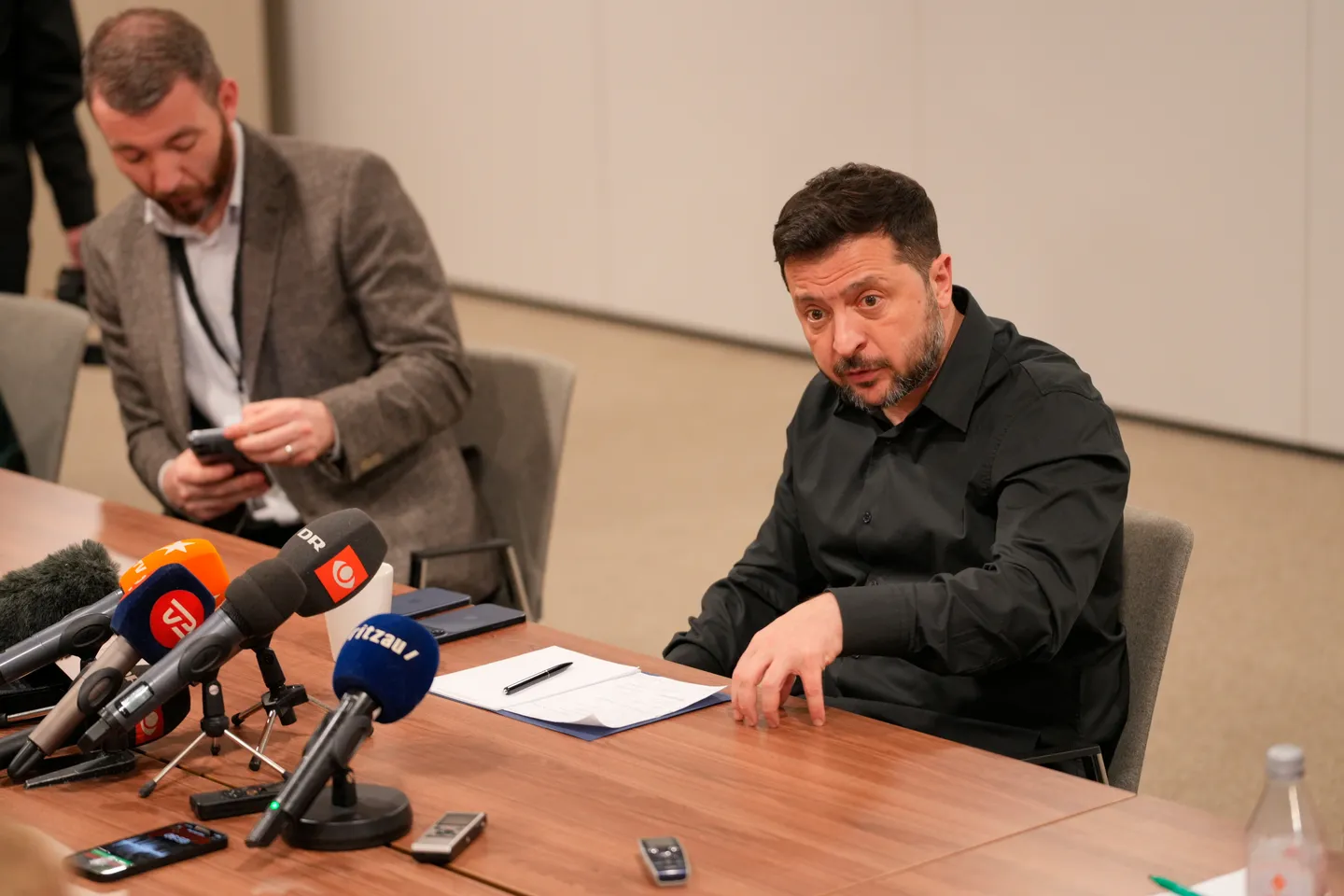
Ukrainian President Volodymyr Zelenskyy has welcomed what he described as a noticeable shift in messages from US mediators, speaking after the first day of US-led trilateral negotiations between Ukraine, Russia and the United States concluded in Abu Dhabi. According to TRT World, Zelenskyy told a press conference in Copenhagen, held after talks with Nordic leaders in Denmark, that he saw changes and was "very happy about what I hear" when asked about the approach of US presidential envoys Jared Kushner and Steve Witkoff.
The Abu Dhabi meeting is the first three-sided talks held since February, the report notes. Zelenskyy characterised the opening day as constructive and substantive. He also confirmed that negotiators assembled in the United Arab Emirates are concurrently preparing a large-scale prisoner-of-war exchange, saying US officials will travel to Russia to pursue it further. "I want to do a thousand for a thousand, maybe one and a half thousand for one and a half thousand," he said.
The more difficult ground is the question of European security. Zelenskyy said discussions touched on formulating a new security architecture for Europe, an idea raised earlier on Tuesday by Russian Foreign Minister Sergei Lavrov. The Ukrainian leader called the concept "very difficult" and urged caution, observing that it was originally floated by Russian President Vladimir Putin in 2021. "Nobody really understands 100 per cent what they want... nobody saw the documents, what the Americans discussed with the Russians," he said.
Zelenskyy set out a strict sequence of priorities. "Everybody is ready for dialogue. First, stop the war in Ukraine. Second, security guarantees for Ukraine. Third, maybe some dialogue about the topic of security in Europe, in the world. This sequence is very, very important." Lavrov, by contrast, said Moscow would reject an immediate ceasefire without knowing what follows, arguing it would be wiser to agree the outlines of a future European security architecture before halting hostilities.
The gap between those positions is the central obstacle. Kyiv wants the fighting stopped and its own guarantees settled before any wider continental settlement is discussed; Moscow wants the wider architecture addressed first. The prisoner exchange, if realised at the scale Zelenskyy describes, would be the most tangible product of the Abu Dhabi round and a measure of whether the trilateral format can deliver.
Much remains unconfirmed. The report gives no detail on the composition of the delegations, the duration of the talks, or what precisely the envoys conveyed to Kyiv that Zelenskyy found encouraging. No documents on the proposed European security architecture have been published, and it is not known whether the exchange has been agreed or is still under negotiation. The first day has been described as constructive by one side only.



