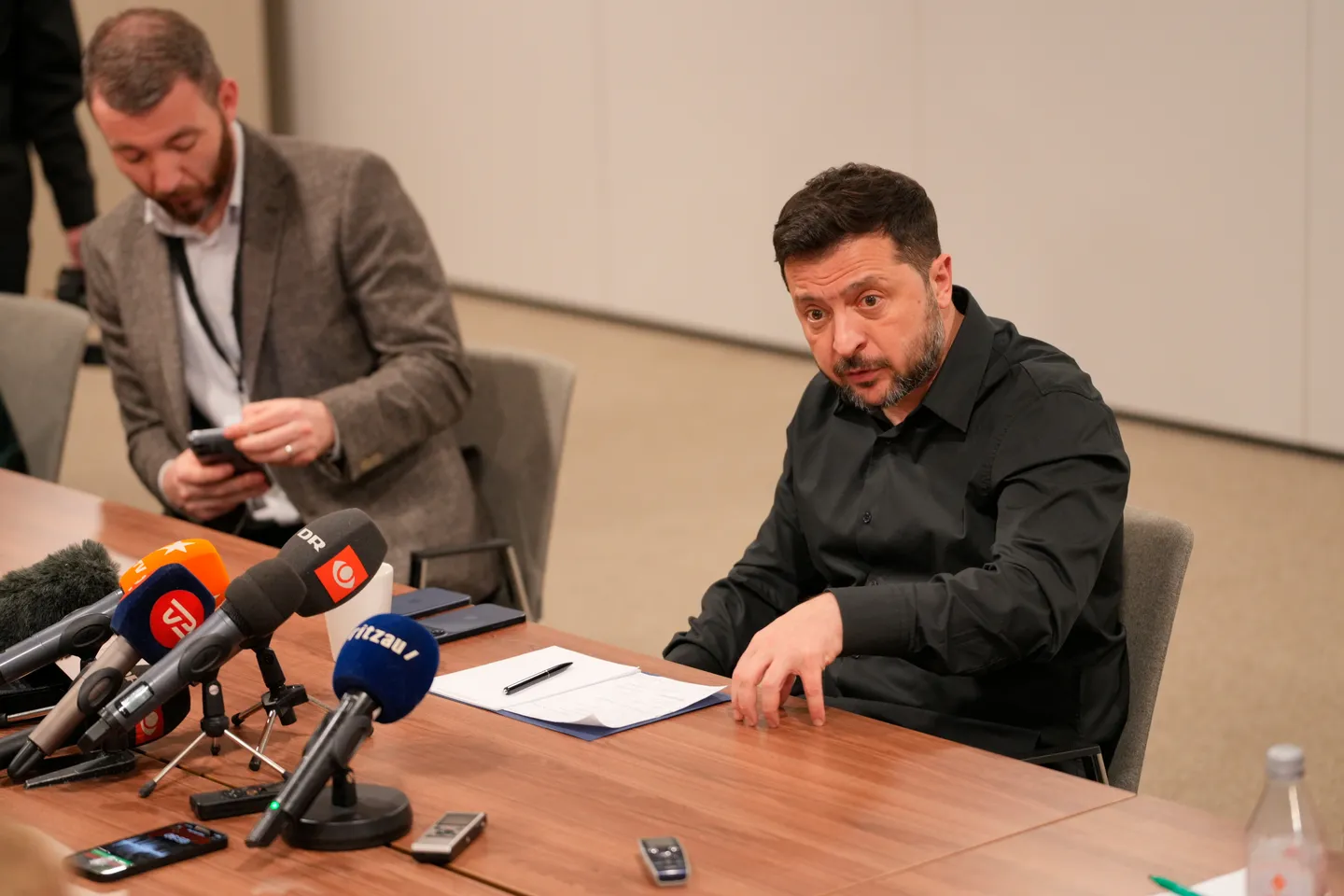
Ryabkov's reticence should be read as a statement of position rather than a verdict on progress.
Russia's delegation to the trilateral talks in Abu Dhabi is not yet ready to characterise the results of the negotiations, according to a senior diplomat quoted by TASS. Deputy Foreign Minister Sergey Ryabkov, a member of the Russian delegation, told the broadcaster Vesti that it was "too early to talk about that" when asked to assess the round's outcome.
The caution is notable given the scale of what the talks are said to cover. According to TASS, the negotiations are to address the creation of a new continental security system for the post-conflict period, with participants focusing on mechanisms to prevent threats and strengthen regional stability. That framing goes well beyond a narrow ceasefire or humanitarian arrangement; it points towards an architecture intended to outlast the fighting itself.
The mechanics of the round, as reported by TASS, suggest a substantive session. Tuesday's talks lasted four and a half hours, including a 40-minute break. The Russian delegation is led by presidential aide Vladimir Medinsky, while the Ukrainian delegation is headed by Rustem Umerov, chief of the Foreign Intelligence Service. A source in the negotiating team told TASS that the trilateral Russia-US-Ukraine talks would continue on Wednesday, 11 November.
Ryabkov's reticence should be read as a statement of position rather than a verdict on progress. Delegations engaged in talks of this kind rarely offer assessments mid-round, and a refusal to characterise the results is not the same as a report of failure. It does, however, signal that Moscow does not intend to let expectations run ahead of the negotiating table, and that any description of the state of play will come from capitals rather than from Abu Dhabi corridors.
Much remains unconfirmed. The source material does not describe the substance of Tuesday's discussions, the positions tabled by any delegation, or whether the parties have narrowed differences on any point. It gives no indication of the level of US representation, no account of what, if anything, has been agreed, and no timetable beyond the stated continuation on Wednesday. The stated agenda — a new continental security system — is broad enough that agreement on its contours would be a significant undertaking, and no official has claimed such agreement exists.
What the report does establish is that the process is continuing and that the parties remain at the table. For an informed reader, the relevant signal is procedural: a second day of talks, delegations led at senior level, and an agenda that looks past the immediate conflict towards the security order that would follow it. Whether that order is being negotiated in earnest, or merely discussed, is the question Abu Dhabi has yet to answer.