A grid pushed toward critical condition as temperatures fall carries consequences beyond inconvenience.
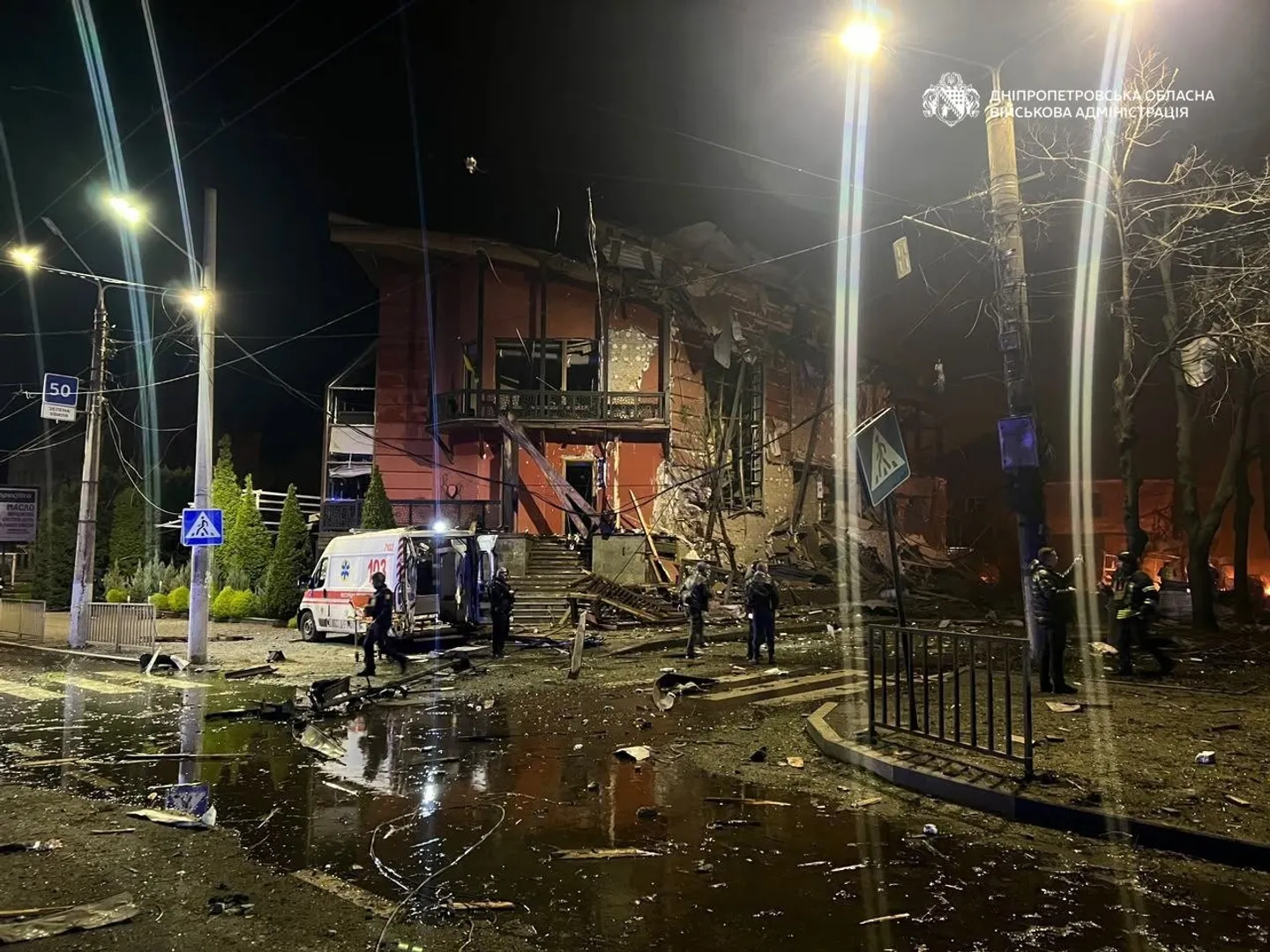
Ukraine's power supply is approaching a critical condition after Russian strikes, according to a BBC headline report published on Thursday. The network is described as bringing darkness and cold to parts of the country. The BBC's summary gives no figures for generating capacity lost, no tally of affected regions and no account of casualties or damage to specific plants.
What the headline establishes is the direction of travel rather than its scale. The language of a supply "close to critical" implies a system under sustained pressure, but whether that reflects physical destruction of generation and transmission assets, the strain of repeated repair cycles, or both, is not confirmed in the material available. Officials quoted by the BBC are not identified in the summary, and no statement from Ukraine's energy ministry or national grid operator is included.
The timing matters. A grid pushed toward critical condition as temperatures fall carries consequences beyond inconvenience: heating, water pumping and hospital services depend on reliable electricity, and prolonged outages tend to prompt movement of people away from the worst-hit areas. None of this is quantified in the report, and the extent of any humanitarian impact should not be assumed from the headline alone.
The strategic logic is familiar from earlier winters of this war, when strikes on energy infrastructure formed part of a broader campaign against civilian resilience. Whether this latest wave represents a comparable concerted effort, a renewed targeting cycle, or isolated attacks described in aggregate cannot be determined from the BBC's summary. Readers should treat the report as a signal of severe strain rather than a full picture. Faultline will update this analysis if and when the BBC publishes detailed reporting on the scale of the damage and the state of the grid.