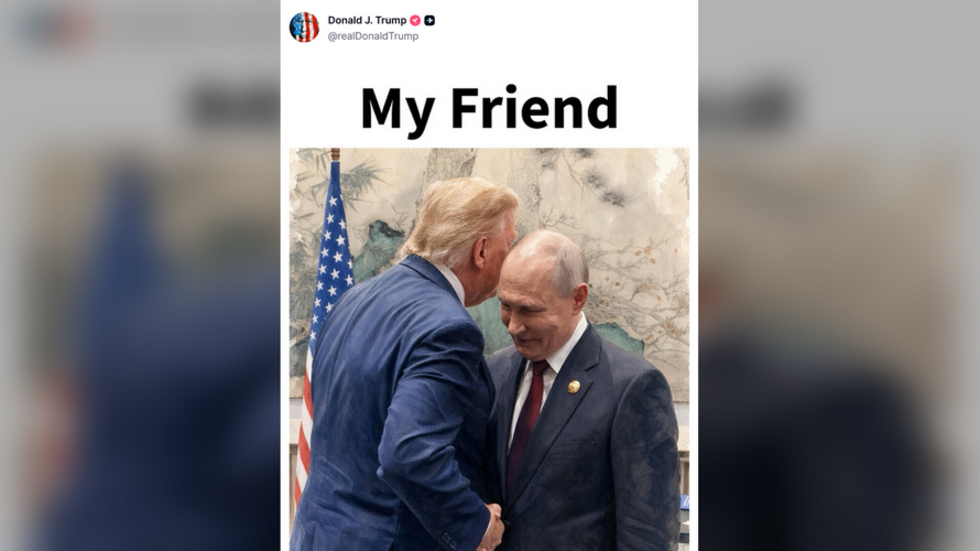
God, protect us from such friends.
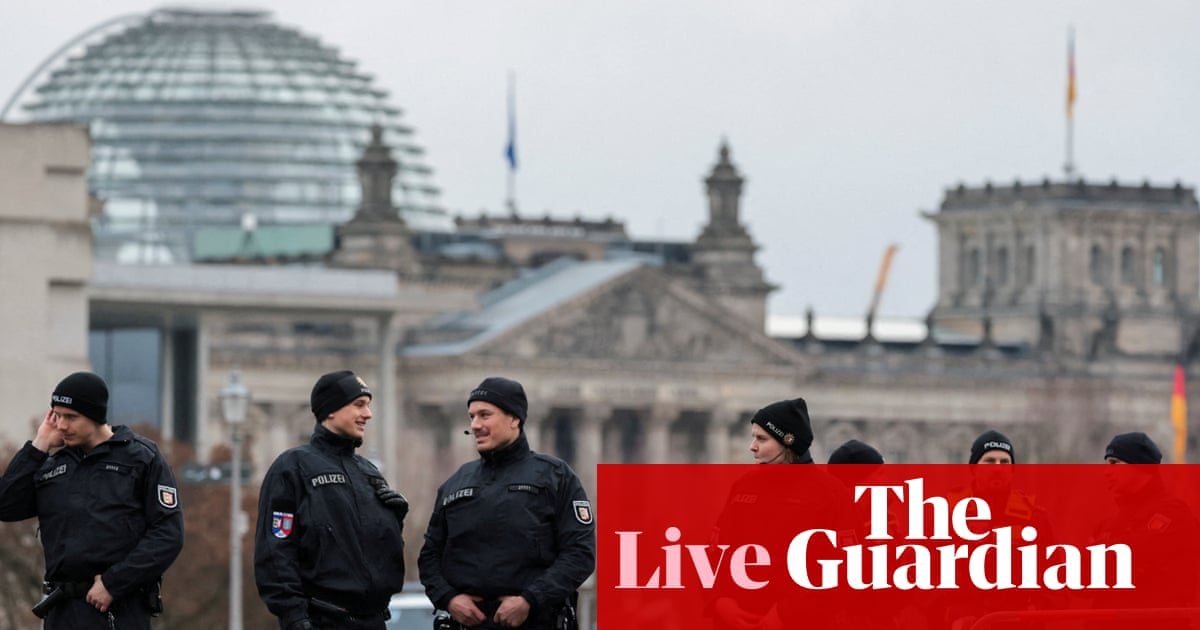
European leaders from the Coalition of the Willing met in Berlin on Thursday, hours after Donald Trump, Vladimir Putin and Xi Jinping were due to convene in Shenzhen, according to The Guardian's live coverage. The timing placed Europe's Ukraine negotiators in the same news cycle as a trilateral summit whose tone had already unsettled them.
Trump told those gathered at the start of the meeting that he and Putin had held "a long discussion today for quite a while", and that the conversation had been largely about the war between Russia and Ukraine. "I think that he and I hope the other side would like to see an end to that war," Trump said. He also declared that "together we are making history", describing a shared responsibility among the three leaders to maintain "open, respectful and productive dialogue" on matters affecting "not just our people, but the entire planet".
The reaction in Europe was swift. Poland's prime minister, Donald Tusk, one of Europe's five negotiators, wrote on X: "God, protect us from such friends." The Guardian reports that the remark was an apparent reference to Trump's enthusiastic greeting with Putin. Poland's foreign minister, Radosław Sikorski, told reporters that "the optics of this hugging Putin, calling him a friend, causes us some concern", adding that the question arises as to "who is he more of a friend with, Putin or our president? And what will he possibly do if push comes to shove, which friend will he choose?"
The substance of what was agreed, if anything, is not yet known. The Guardian's account captures the opening statements and the European reaction rather than any outcome from the trilateral talks, and no details of the Trump-Putin discussion beyond Trump's own summary have been confirmed. Whether the Berlin meeting of the Coalition of the Willing produced concrete commitments is likewise unclear from the report.
What the episode does show is the fragility of the diplomatic footing beneath Ukraine's supporters. Europe's negotiators are meeting to coordinate their position while the American president publicly describes a warm exchange with Moscow's leader. For capitals that have tied their security planning to Washington's continued backing, Sikorski's question is the operative one: the concern is less about words than about what happens when pressure mounts and choices must be made.
The pull of the Shenzhen meeting also matters. A trilateral format that places Washington, Moscow and Beijing at one table leaves European governments watching from outside a room where their interests are at stake. The Berlin gathering is, in that sense, an attempt to hold a line while the larger powers talk. The Guardian's report does not say what the Coalition of the Willing intends to do next, nor what the three leaders in Shenzhen will conclude. Those answers are not yet available.