The anniversary itself changes nothing on the ground.
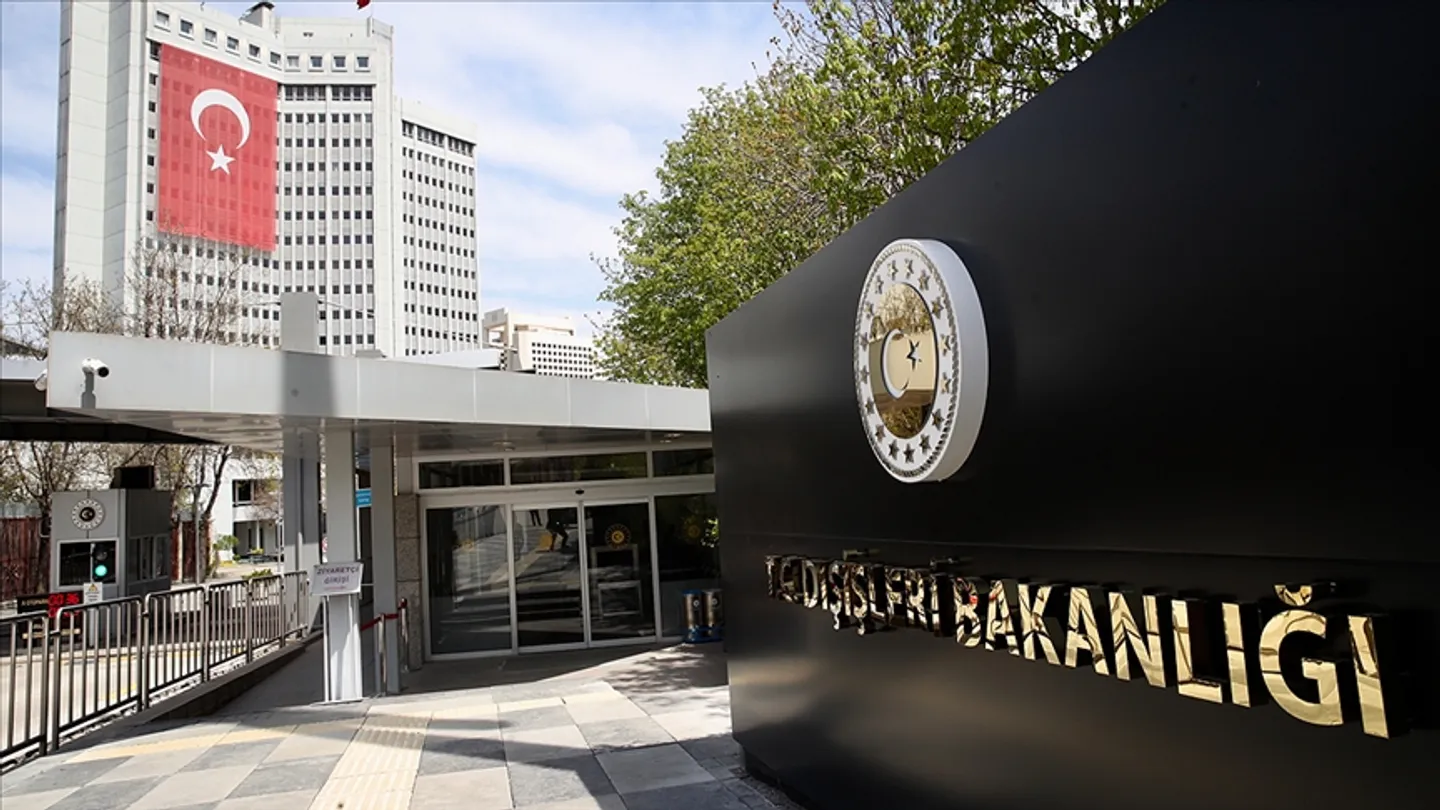
Türkiye marked the 38th anniversary of Palestine's declaration of independence on Sunday, with its foreign ministry restating Ankara's commitment to a sovereign Palestinian state. According to TRT World, the ministry issued a statement on the Turkish social media platform NSosyal congratulating the Palestinian people and reiterating support for their rights.
The statement set out the parameters Türkiye has long endorsed: an independent, sovereign and territorially contiguous Palestinian state based on the 1967 borders, with East Jerusalem as its capital. The ministry described this as an unwavering objective of Turkish foreign policy, and said Ankara would continue to stand against all forms of injustice and oppression faced by the Palestinian people.
The occasion is a commemorative one rather than a diplomatic initiative. The declaration being marked dates from 1988, and the anniversary provides a regular point at which states sympathetic to the Palestinian cause restate their positions. What the report does not indicate is whether the statement was accompanied by any new diplomatic activity, whether Turkish officials held talks with counterparts on the matter, or whether Ankara intends to press the issue through a specific forum. Those details are not yet known.
The significance lies in the consistency of the language. By naming the 1967 borders, territorial contiguity and East Jerusalem as the capital, the ministry is aligning Türkiye with the long-standing position of the Palestine Liberation Organisation and with the broad international consensus that has framed the two-state model. The reference to contiguity is notable: it speaks to the question of whether a future Palestinian state would be made up of connected territory rather than separated fragments, a point that has repeatedly complicated negotiations.
Türkiye's stance also carries weight because of its regional position. Ankara maintains relations with both Palestinian factions and with Israel, and it has sought to present itself as a voice for Palestinian rights while managing those relationships. A public restatement of the 1967 parameters signals that the government does not intend to soften its formal position, even as regional diplomacy shifts around it.
For readers outside the region, the statement is a reminder that the question of Palestinian statehood remains a live item on the diplomatic agenda rather than a settled file. The anniversary itself changes nothing on the ground. What it does show is that Türkiye wants its position recorded clearly, and that the vocabulary of borders, contiguity and capital remains the framework through which the issue is argued. Whether that vocabulary translates into movement is a question the statement does not answer.