The mandate handed to Eisenkot now adds a further variable to an alliance already under pressure.
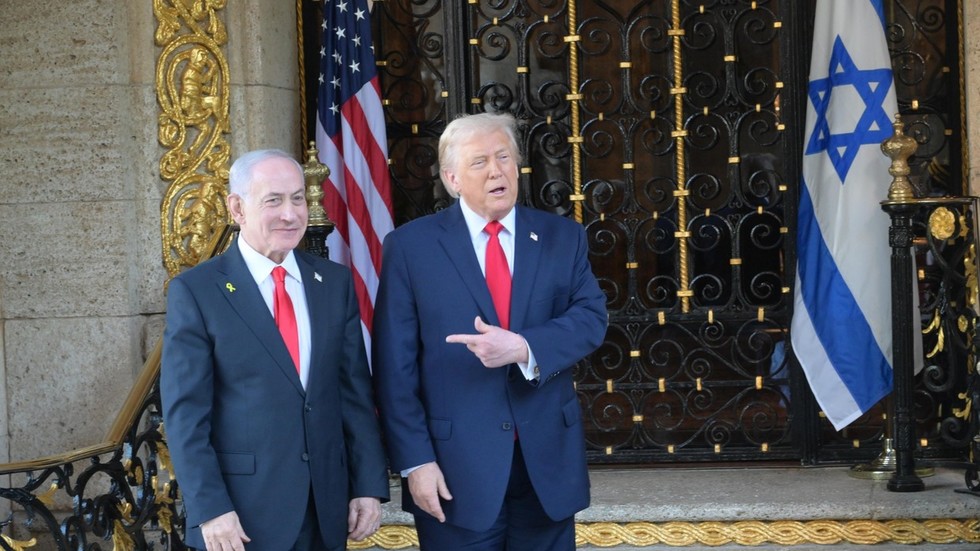
Relations between Washington and Jerusalem have come under visible strain, according to media reports of a heated telephone call between President Donald Trump and Israeli Prime Minister Benjamin Netanyahu over the war with Iran. The exchange, described in the coverage as a shouting match, comes at a moment when both leaders are absorbing the political costs of a conflict that has reshaped their domestic positions.
Trump said on Sunday that he saw no reason to escalate the conflict with Iran, amid opposition to renewed strikes from Washington's Arab allies in the region. He and Vice President J.D. Vance have acknowledged that the Iran war contributed to the Republicans' election defeat. Yet Trump stood by his decision to launch the US-Israeli military campaign against Iran on February 28, telling the Wall Street Journal after the vote: "I did the right thing. I would have done it again."
Netanyahu's position is no less uncertain. His coalition failed to secure a parliamentary majority in Israel's October 27 elections. On Sunday, President Isaac Herzog tasked Netanyahu's main rival, former IDF chief of staff Gadi Eisenkot, with forming a new government after parties representing 67 members of the 120-seat Knesset recommended him for the premiership, compared with 46 who backed Netanyahu. Eisenkot has 28 days to assemble a governing coalition, with a possible two-week extension.
The war's economic reach extends well beyond the two capitals. It has disrupted shipping through the Strait of Hormuz, a vital route for global energy supplies that normally carries around a fifth of the world's seaborne oil and liquefied natural gas trade. Trump has vowed to maintain the naval blockade of Iranian ports, while Iran has been attacking tankers using US-designated shipping routes, which Tehran considers illegal.
What the reported call actually contained is not confirmed beyond the media account, and no official readout of the conversation has been cited. The scale of any rift between Trump and Netanyahu, and whether it affects the conduct of the campaign or the blockade, is not yet known. What the record does show is a war that has cost both leaders politically, narrowed Washington's room to escalate, and left the Gulf's shipping lanes exposed. The mandate handed to Eisenkot now adds a further variable to an alliance already under pressure.