A permit, the memorandum noted, does not confer the right to build on another person's property without permission.
A Tennessee family has recovered the use of a shared driveway after a neighbour fenced off part of it, but has lost its separate constitutional case against the city that issued the fence permit. According to the Times of India's account of the ruling, US District Judge Aleta A Trauger granted the City of Oak Hill judgment on the pleadings and dismissed the family's claims in their entirety.
The facts, as reported, are unusually tangled for a boundary dispute. Mark, Nanette and Madeleine McDonald own a property in Oak Hill, in Davidson County, where their daughter lives in a house built in 1965. The neighbouring property, whose house dates from the 1950s, belonged to Mary Rust. Both homes had used a common driveway since construction, under reciprocal easements allowing each owner to use the portion of the drive on the other's land.
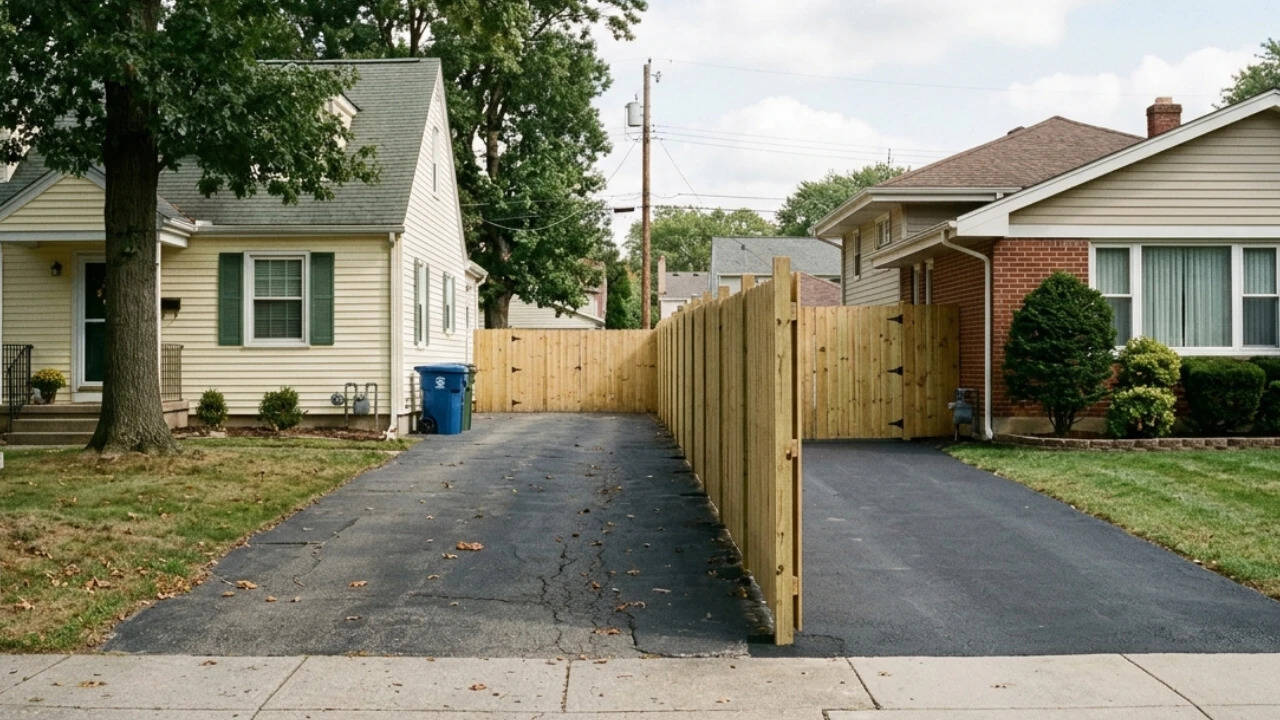
The arrangement came under pressure when Rust explored improvements and found that the city's plot-size rules excluded land covered by an easement. She asked the McDonalds to end the easement; they refused. She then approached the city in July 2024 about a fence along the boundary, which ran through the middle of the shared driveway. A code enforcement officer initially told her she could not build through the driveway where an easement applied, according to the report. Rust later submitted a Deed of Correction, dated 29 October 2024 and signed by her property's previous owners, stating that a 1992 joint driveway agreement was not an easement and was not meant to bind future owners. The family says the city attorney accepted that explanation, and the city issued a building permit on 21 November 2024. Rust built the fence down the middle of the drive.
The family won the private fight. In December 2024 they filed in the Davidson County Chancery Court, and in September 2025 an agreed order confirmed the easement, nullified the Deed of Correction and required Rust to remove the fence. Damages claims were settled in June 2026. The Board of Zoning Appeals, for its part, said it lacked the expertise or authority to decide private property disputes.
The federal claim was always the harder one. The McDonalds argued that issuing the permit amounted to an unlawful taking under the Fifth and Fourteenth Amendments, and that the city had failed to train its officials and favoured issuing permits over protecting existing rights. The city replied that a building permit decides nothing about who owns disputed land or whether an easement is valid. Judge Trauger accepted that position. She acknowledged the family held a valid property interest in the easement when the permit issued, but held that the permit only authorised construction and did not establish a right to build on land covered by the easement. It was Rust's decision to build, the court found, that caused the loss of access. A permit, the memorandum noted, does not confer the right to build on another person's property without permission, and even negligence in issuing it would not by itself establish a constitutional violation.
The ruling narrows what a permit can be made to bear. It leaves municipalities exposed to criticism for approving works while private rights are contested, but it keeps the remedy where the court placed it: against the neighbour who builds, not the office that stamps the form. What the report does not establish is whether the family will appeal, or whether Oak Hill has since changed how it reviews permits touching disputed easements.