A group photograph is not an agreement, and a scheduled meeting is not an outcome.
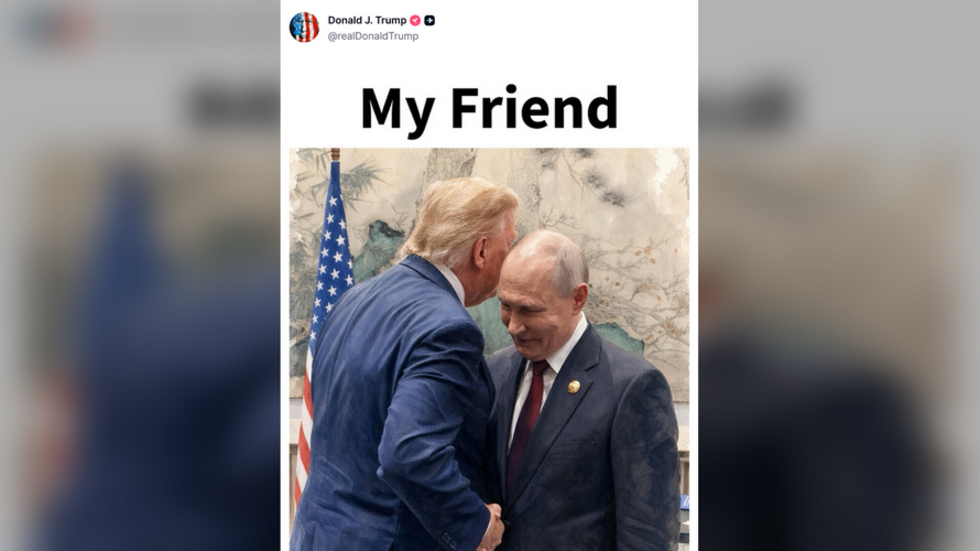
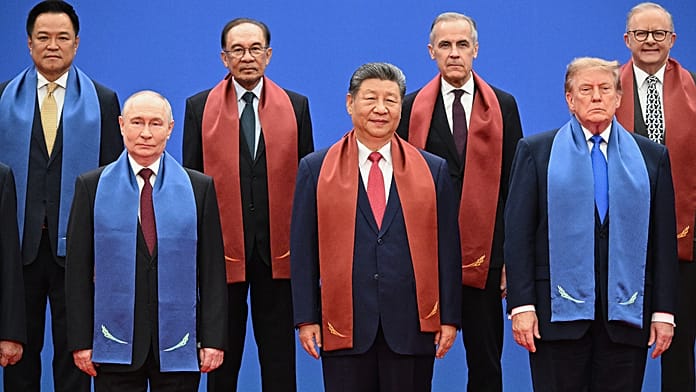
The presidents of China, the United States and Russia stood together for the official group photograph ahead of the opening session of the Asia-Pacific Economic Cooperation forum in Shenzhen, Euronews reports. The image of Xi Jinping, Donald Trump and Vladimir Putin on the same stage is a rare one, and it has lent the meeting a diplomatic weight that the wider APEC agenda might not otherwise have carried.
According to the report, the assembly drew leaders from across the Pacific, among them Japanese Prime Minister Sanae Takaichi, Canada's Mark Carney, Australia's Anthony Albanese and South Korean President Lee Jae Myung. The presence of so many Pacific economies underscores the breadth of the forum's membership, even as attention has concentrated on the three presidents at its centre.
Taking the podium, Xi made a plea for closer Asia-Pacific ties in what the report describes as an era of sweeping global upheaval and rapid technological breakthroughs. He challenged member nations to prioritise innovation, openness and deeper integration, framing the goal as a shared regional community rooted in solidarity and inclusive development. The language is familiar from Beijing's regional diplomacy, but the setting gives it added point: a Chinese leader calling for openness while hosting an American and a Russian president on the same platform.
The report states that Trump and Putin are slated to join Xi for separate trilateral talks. That arrangement is the most consequential detail in the material and also the least specified. Euronews does not say what the three leaders will discuss, in what order the meetings will take place, whether any joint statement is expected, or what the format of the talks will be. Nor is it confirmed whether the trilateral sessions are a single three-way meeting or a series of bilateral conversations convened under one heading. Those questions matter, because the difference between a genuine three-way negotiation and a photograph with follow-on meetings is considerable.
What the report does establish is the symbolic significance. The sight of the Chinese, American and Russian presidents sharing a stage at the opening ceremony, in Euronews's words, threw into sharp relief the diplomatic significance of the Shenzhen meeting. For an APEC gathering nominally concerned with trade and economic cooperation, that is a notable shift in emphasis. The forum's working agenda of innovation and integration may proceed, but the political weather around it will be set by whatever passes between the three presidents.
For an informed reader, the caution is straightforward. A group photograph is not an agreement, and a scheduled meeting is not an outcome. Until the substance of the trilateral talks is disclosed, the Shenzhen summit is best read as a signal of intent among three powers whose relations are strained, rather than as evidence of any settlement.