A threat of retaliation "without geographical limitation" is a signal that Iran intends any future exchange to be regional rather than contained.
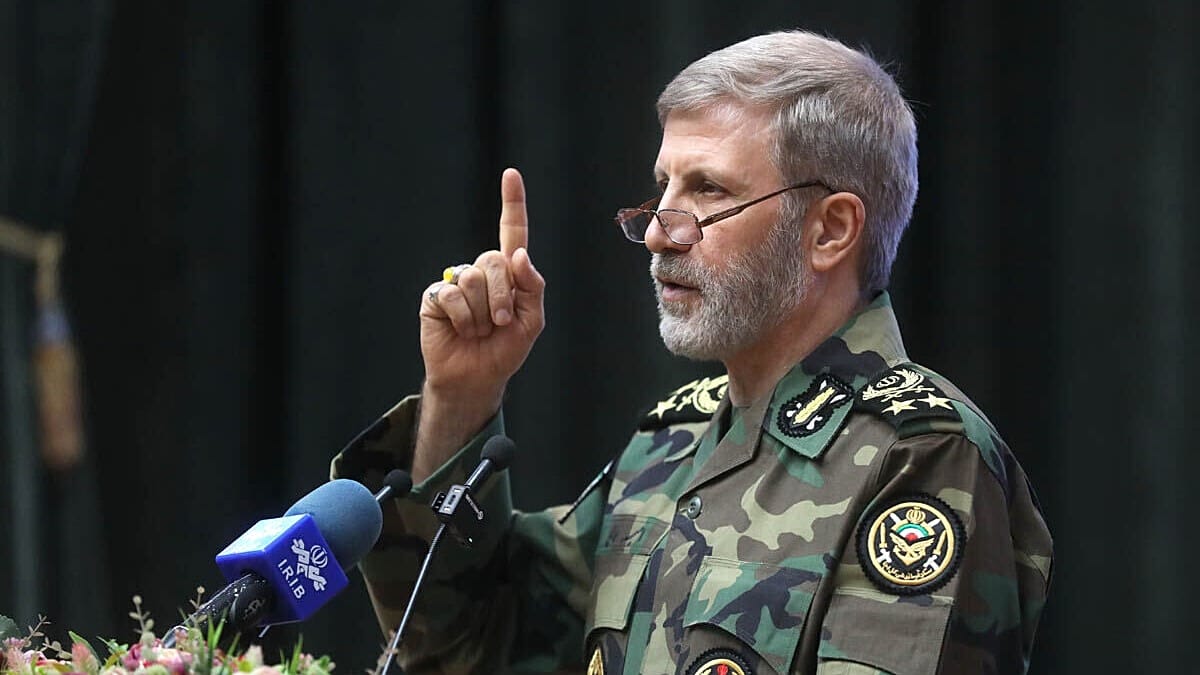
Iran's army commander-in-chief, Amir Hatami, warned on Wednesday that any further attack on Iran would meet a "more crushing, harsher response, without geographical limitation," according to Euronews. He said the enemy and its supporters would be dealt with wherever they were based, and expressed the hope that Washington would not "miscalculate," adding that if it did, "it will receive a lesson that will be a warning to everyone."
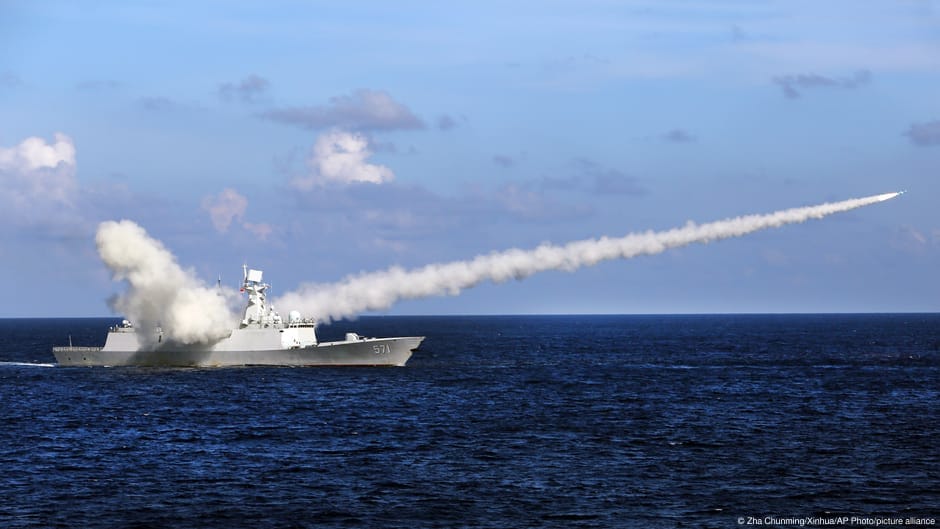
The remarks came as Hatami confirmed that the United States had brought a new aircraft carrier into the region. US Central Command has confirmed the arrival of the USS Theodore Roosevelt, the report says, bringing the number of American carriers operating there to three. Hatami said Iranian ground, naval, air and air defence forces were monitoring military movements and continuously raising their readiness, with preparations put in place under orders to senior commanders.
The Iranian army's public relations department also claimed that its forces had destroyed a US MQ-9 drone east of the Strait of Hormuz, using domestically produced air defence systems deployed in the south-east and operated through an integrated network. The claim has not been independently verified and Washington has not commented. Separately, Yadollah Javani, political deputy of the Islamic Revolutionary Guard Corps, said Iranian forces could now strike or intercept advanced drones in areas including the Strait of Hormuz and Qeshm Island, citing advances in missile and electronic warfare capabilities.
The statements follow a week of escalation. On Tuesday, the US carried out air strikes on positions on Qeshm Island, after Iranian reports of attacks on US military installations in the region, according to the report. There have also been reports of attacks on commercial vessels in the Strait of Hormuz. Iran has warned that any further attack would draw a military response not confined to targets within its borders, while the US has said it will protect its forces and its allies' interests in the region.
What matters here is the shift in declared scope. A threat of retaliation "without geographical limitation" is a signal that Iran intends any future exchange to be regional rather than contained, and the arrival of a third carrier gives that signal a concrete backdrop. The Strait of Hormuz carries a large share of seaborne energy trade, so reported attacks on commercial vessels there carry economic weight beyond the military balance. Much remains unconfirmed: the drone claim is unverified, the extent of damage from the Qeshm strikes is not given, and the identity of those behind the vessel attacks is not established in the material available. Whether the three-carrier presence is intended as deterrence or as preparation is likewise unclear. Until those points are settled, the public record rests largely on statements from one side and silence from the other.