A compressed timetable leaves less room for the quiet consultations and regional rotation conventions that normally shape the outcome, and more scope for a single veto to stall the field.
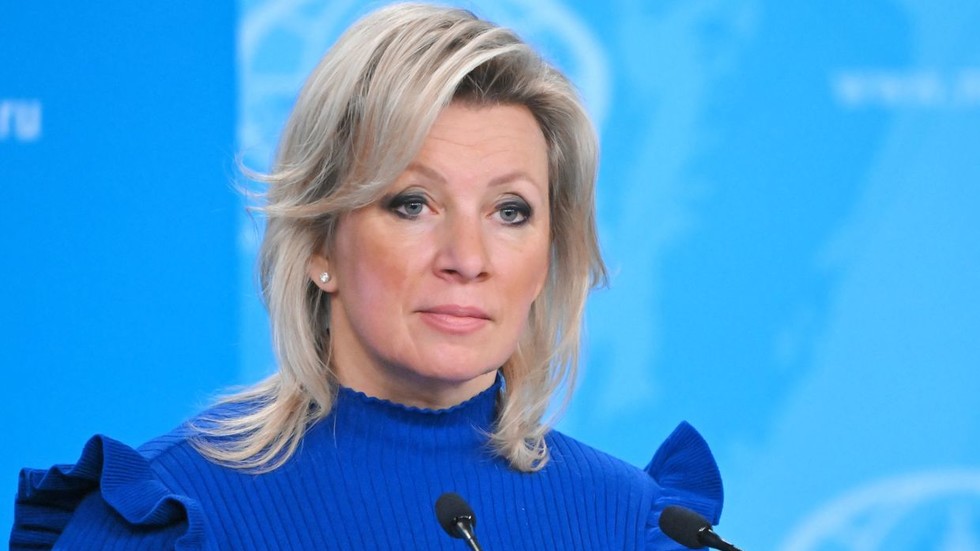
A new United Nations secretary-general must be elected by 31 December to avoid confusion over who will serve as the organisation's administrative head, according to Kirill Logvinov, director of the Russian Foreign Ministry's Department of International Organisations. Logvinov spoke to TASS on the sidelines of bilateral consultations in Bishkek, the capital of Kyrgyzstan, the agency reports.
"The one thing we know for certain is that the current secretary-general's term ends on December 31. We are therefore doing everything we can to ensure that the appointment process is completed by the end of the year," Logvinov said, according to TASS. He described the effort as involving direct work with the candidates and rounds of straw polls, the informal ballots by which the Security Council has traditionally tested the field before a formal recommendation.
The Russian official was candid about what happens if the deadline slips. "It is also unclear what will happen after December 31," he said. Several options are under consideration, including extending the current secretary-general's term temporarily or appointing one of his current deputies as acting secretary-general. That the second option is being discussed at all suggests the succession is not yet settled, and that member states are preparing for a gap between the end of one term and the confirmation of the next.
Logvinov pointed to a further complication: the intentions of the deputy secretaries-general. Some have said they plan to leave, he noted. The first deputy's term is tied to that of the secretary-general, and Logvinov cautioned against assuming that the first deputy automatically takes over when the secretary-general steps down. "But that is not the case," he said, adding that the situation "would not quite be confusion, but would still be better avoided."
The remarks matter because the secretary-general's appointment is one of the few decisions that requires the great powers to agree. The process runs through the Security Council, where any permanent member can block a candidate, before a recommendation goes to the General Assembly. A compressed timetable leaves less room for the quiet consultations and regional rotation conventions that normally shape the outcome, and more scope for a single veto to stall the field. An acting arrangement, however temporary, would leave the organisation's most senior official without a full mandate at a time when the post carries substantial diplomatic weight.
What is not yet known is who the candidates are, how far the straw polls have progressed, or which deputies intend to leave. The report gives no indication of the current secretary-general's own plans, nor of the positions of other permanent members of the Security Council. It also does not say whether an extension or an acting appointment would require formal approval, or how either would be received in the General Assembly. Until those questions are answered, the one firm date in the process remains 31 December.