Each round of retaliation narrows the space for the kind of de-escalation that previous rounds of talks had, at least intermittently, produced.
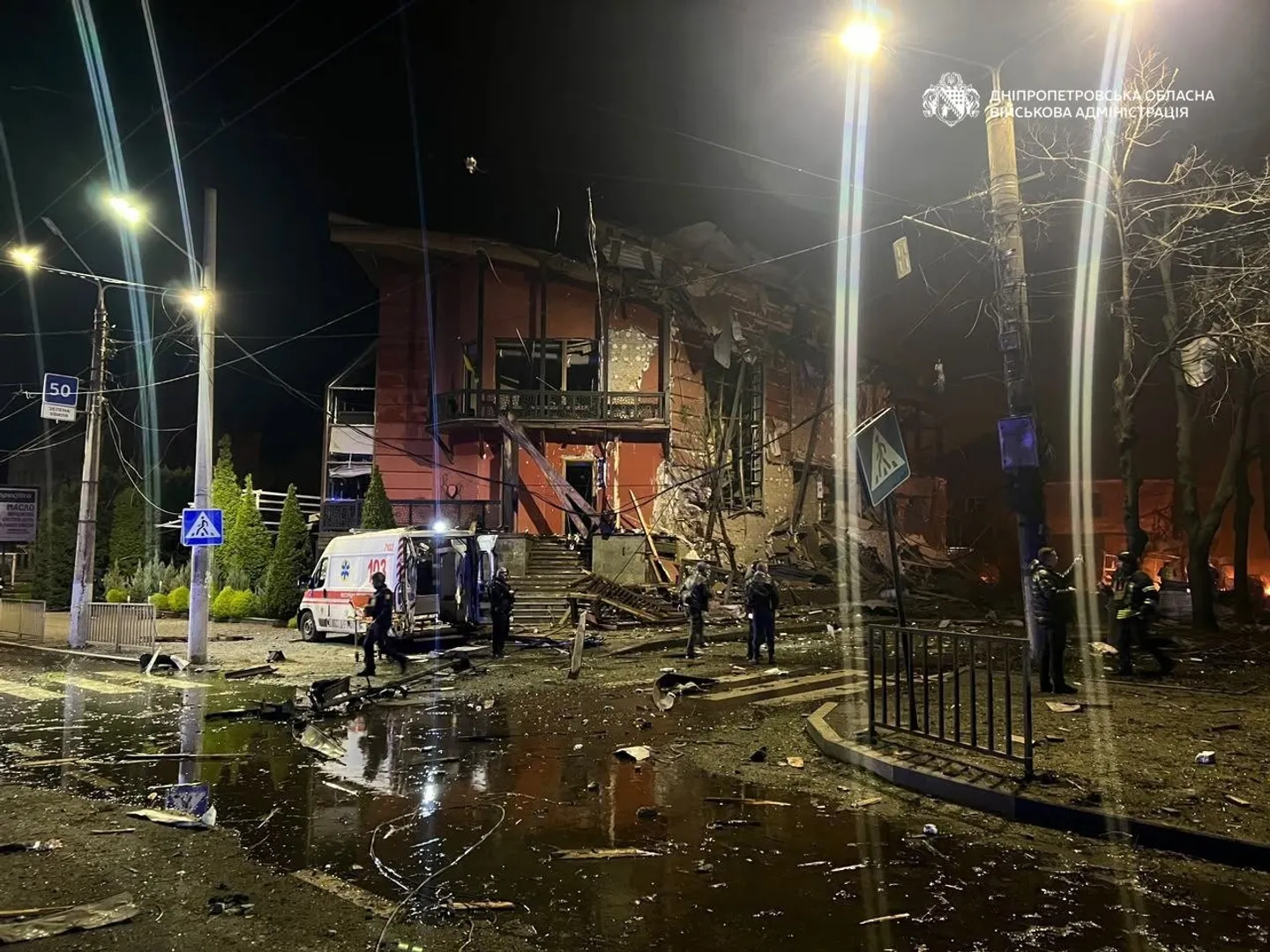
At least nine people were killed and 13 wounded when the Saudi-led coalition struck targets in Yemen's Hodeida and Saada governorates on Tuesday, according to the Houthi-controlled news agency SABA, as cited by TASS. The reported toll is the first concrete figure to emerge from the day's strikes, and it may rise: search and rescue operations at one of the sites were said to be continuing.
According to the account carried by TASS, the main strike hit a foam rubber factory in the northern part of Hodeida city, killing seven people and wounding nine, a figure attributed to a spokesman for the Houthi health ministry. A separate strike on the Kitaf district of northern Saada governorate killed two and wounded four. Both locations lie in territory held by the Houthis, and the casualty figures come from authorities under their control rather than from independent monitors. The coalition has not, in the material available, confirmed the targets or the deaths, and no verification from a neutral source is cited.
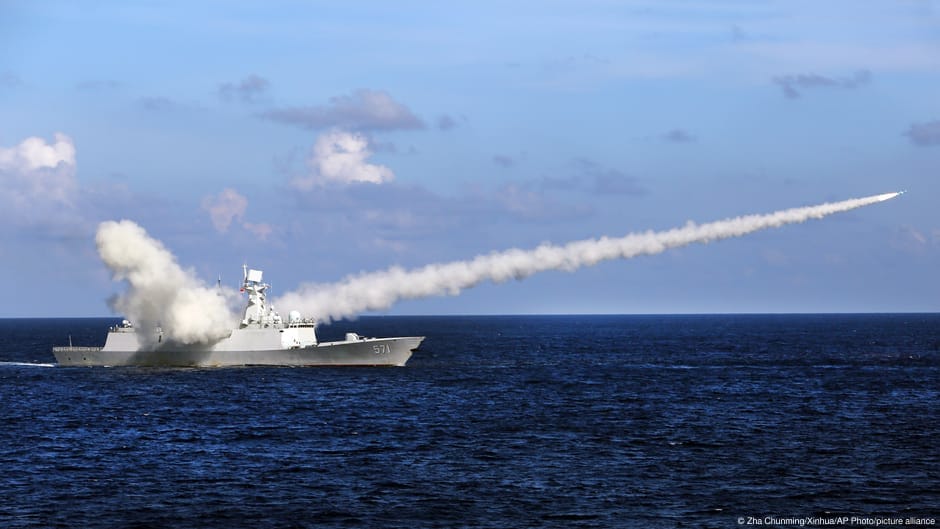
The strikes land in a conflict that has sharpened considerably this year. The armed confrontation between government forces and the Houthis has run since August 2014, but the situation deteriorated markedly this summer. In July 2026 the rebels said they were imposing a naval blockade on Saudi Arabia and attacked several Saudi-owned oil tankers. In early August, Ansar Allah launched an offensive in the southwest, taking the port city of Mokha and, on 10-11 September, territory along the Bab al-Mandeb Strait in western Yemen. On 4 October, government forces announced a large-scale operation to liberate Houthi-held territory.
That sequence explains why a strike on a factory in Hodeida carries weight beyond its immediate toll. Hodeida is Yemen's principal Red Sea port, and the campaign around Mokha and the Bab al-Mandeb has already pushed the fighting towards the shipping lanes on which Saudi exports and international trade depend. Each round of retaliation narrows the space for the kind of de-escalation that previous rounds of talks had, at least intermittently, produced. The Houthi blockade declaration and the attacks on tankers gave the coalition a rationale for striking coastal targets; the strikes in turn give the Houthis a rationale for further action against shipping.
What remains unconfirmed is substantial. There is no independent account of what the factory produced or whether it had any military function, no coalition statement on the intended targets, and no breakdown of the casualties beyond the Houthi health ministry's figures. Whether the Saada strike was part of the same operation or a separate action is also unclear. Faultline will update this analysis as verified information becomes available.