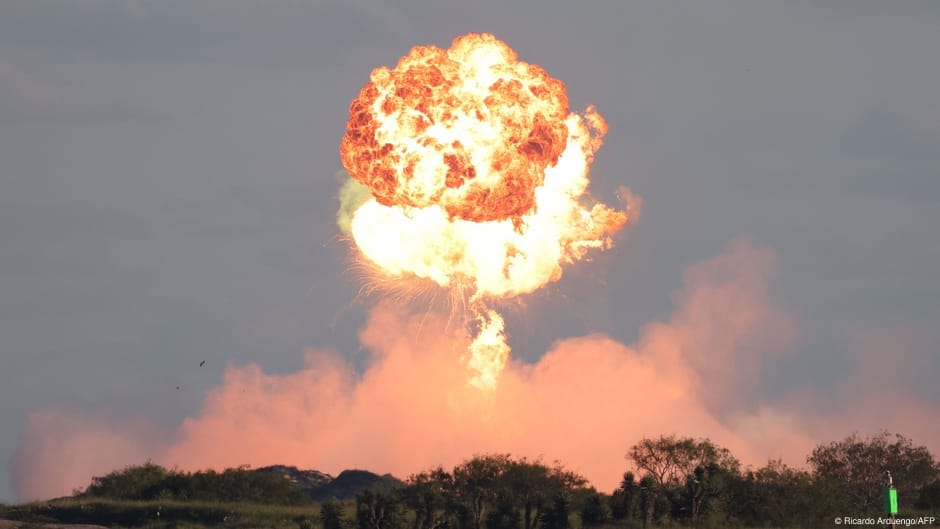
The failure to recover the booster is a setback for SpaceX, which is hoping to develop a fully reusable rocket system to drive down the cost of spaceflight.
SpaceX has successfully launched the latest flight of its Starship spacecraft into orbit, but the company did not recover the booster rocket as planned, according to the report. The booster exploded above the Gulf of Mexico instead of landing back at the launch site.
The mission was designed to test the reusable rocket system, with both the booster and the upper stage intended to be recovered. The upper stage is currently in orbit and is scheduled to return to Earth on Saturday, where it will be caught by mechanical arms at the launch pad, marking the first time the spacecraft would return to Earth.
In addition to testing the reusable rocket system, the mission also delivered 26 of SpaceX’s satellites for its Starlink network. The Starship is the world's largest and most powerful rocket system, consisting of a spacecraft mounted on a booster rocket, both designed to be fully reusable.
The failure to recover the booster is a setback for SpaceX, which is hoping to develop a fully reusable rocket system to drive down the cost of spaceflight. The company has received billions of dollars in NASA funding and has invested at least $15 billion in the project, with the main goal of putting astronauts on the Moon by 2028.
Developing a fully reusable rocket system is key to SpaceX’s goal, and the company is mostly using smaller Falcon rockets, which are not fully reusable. The new objective of the launch was to recover both stages of the Starship launch system, and while the upper stage is on track to be recovered, the booster's failure is a reminder of the technical challenges still to be overcome.