The size of that bounty signals how seriously the administration views the risk, and how much it wants tip-offs from the public.
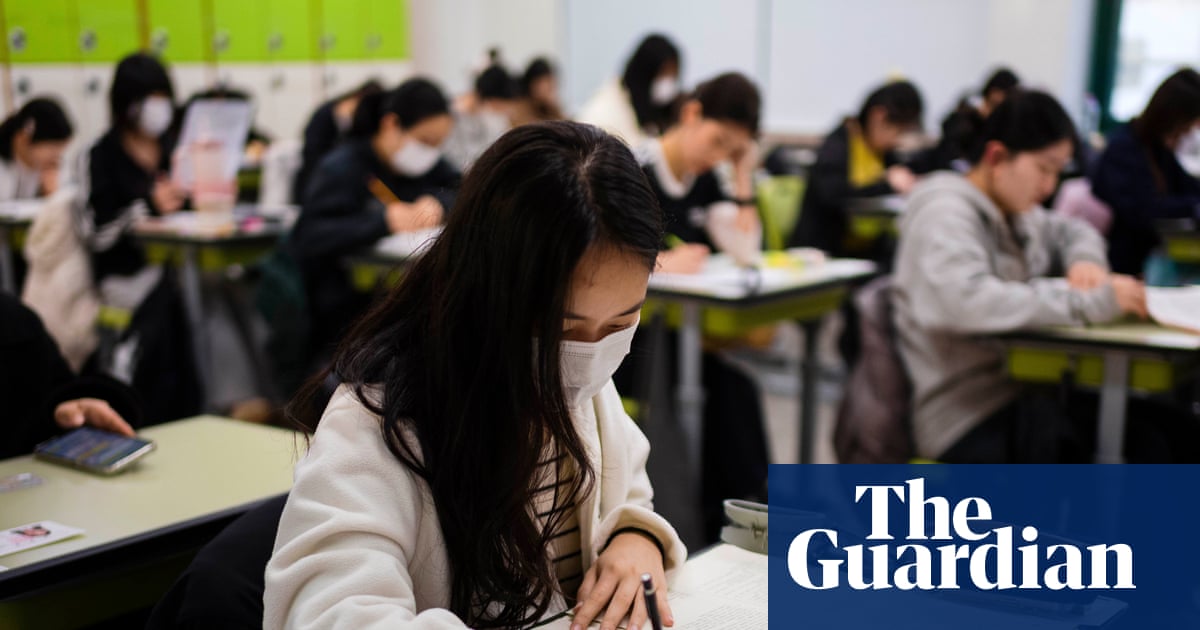
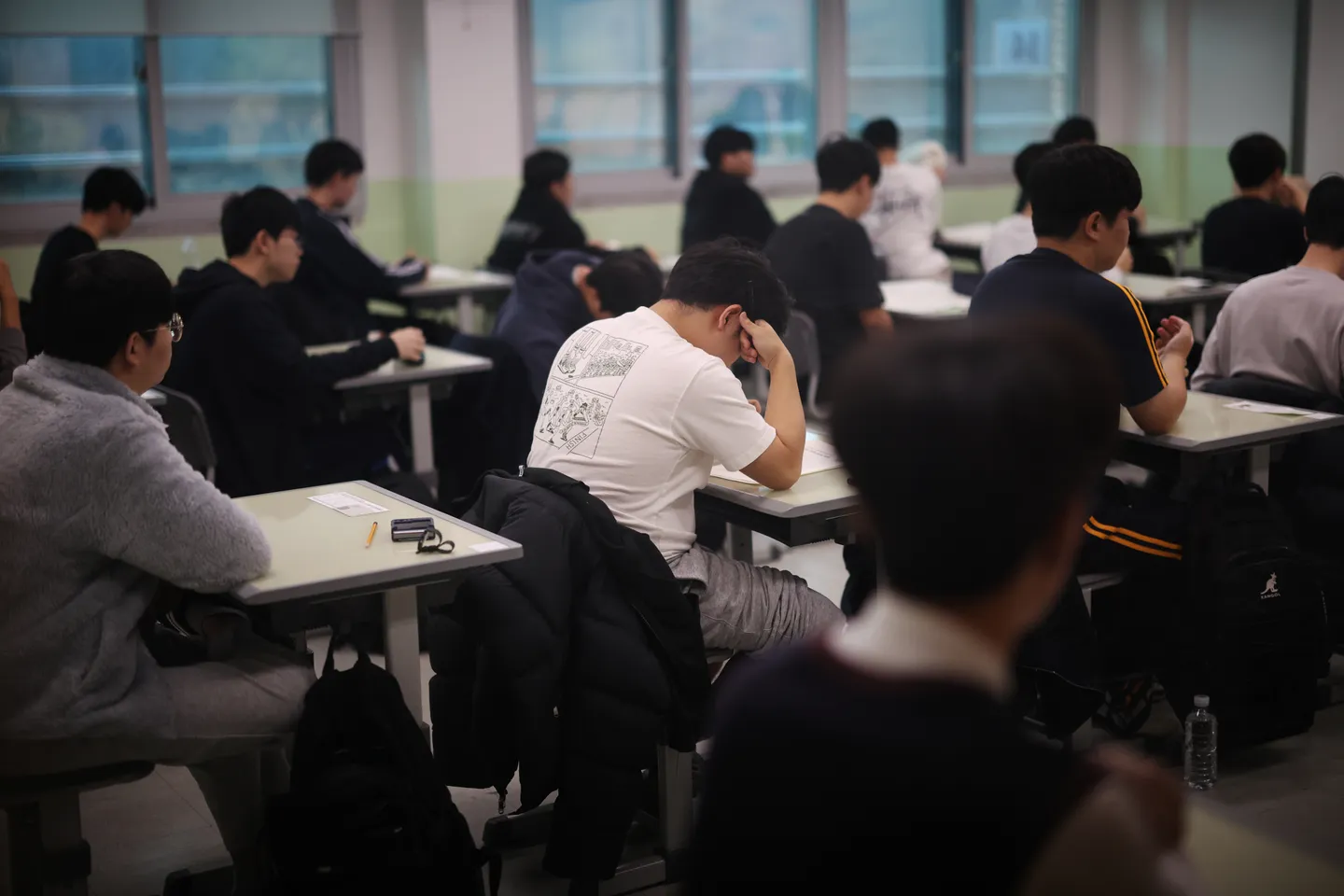
South Korea held its annual College Scholastic Ability Test on Thursday under unusually heavy security, according to TRT World, citing Yonhap News Agency. The exam began at 8.40am local time at 1,312 test centres and was scheduled to finish at 5.45pm. Some 551,864 candidates had applied to sit the test, which is widely treated in South Korea as a decisive milestone, since university choice can shape career prospects for decades.
The security operation is on a scale that reflects those stakes. Authorities deployed roughly 75,000 proctors and about 8,400 additional personnel to guard against cheating. Test-takers' glasses were physically inspected, buttons on clothing were covered with stickers, and Wi-Fi networks were blocked inside and around exam sites. All electronic devices were banned from exam rooms, with candidates permitted to bring in only pencils.
The immediate trigger for the tightening, according to the report, was a confession by the top scorer in this year's certified tax accountant exam that he had cheated using artificial intelligence and digital devices. That case raised fears that the same methods could be turned on the CSAT, an examination sat by hundreds of thousands of students in a single day and policed largely by human invigilators.
President Lee Jae-myung urged officials on Tuesday to strengthen anti-cheating measures, calling cheating a "grave crime" that undermines social trust. He later said the government would offer rewards of more than 100 million won, about $75,129, for each confirmed report of cheating involving advanced gadgets. The size of that bounty signals how seriously the administration views the risk, and how much it wants tip-offs from the public.
Some measures reached beyond the exam hall. Authorities sent a nationwide emergency alert fifteen minutes before the exam began, designed to reach nearly all mobile phones and trigger a loud alarm even where devices were muted, in order to expose any handsets brought into test rooms. A second alert was to follow at an unspecified time. Takeoffs and landings nationwide were suspended from 1.05pm to 1.40pm to quieten the English listening test, with aircraft in flight required to stay at least three kilometres up except in emergencies. The stock market opened and closed an hour later than usual to ease morning traffic.
What the report does not establish is whether any AI-assisted cheating was actually detected on Thursday, how the new inspections were received by candidates, or whether the measures will be retained in future years. The tax accountant case is described only in outline, without detail on the devices or methods used. The exam's outcome, and the wider question of whether paper-and-proctor defences can hold against increasingly accessible AI tools, will not be settled by a single day of alerts and stickers.