For an informed reader, the significance lies less in any single night's toll than in the cumulative pressure such attacks place on Russian infrastructure, public confidence and the allocation of defensive resources.
Two people were killed in what the governor of Russia's Smolensk Region described as a massive Ukrainian drone attack overnight, according to TASS. Vasily Anokhin, writing on the Max social media platform, said the region came under sustained assault and that the Defence Ministry's air defence systems destroyed 37 unmanned aerial vehicles. He offered condolences to the families of the dead.
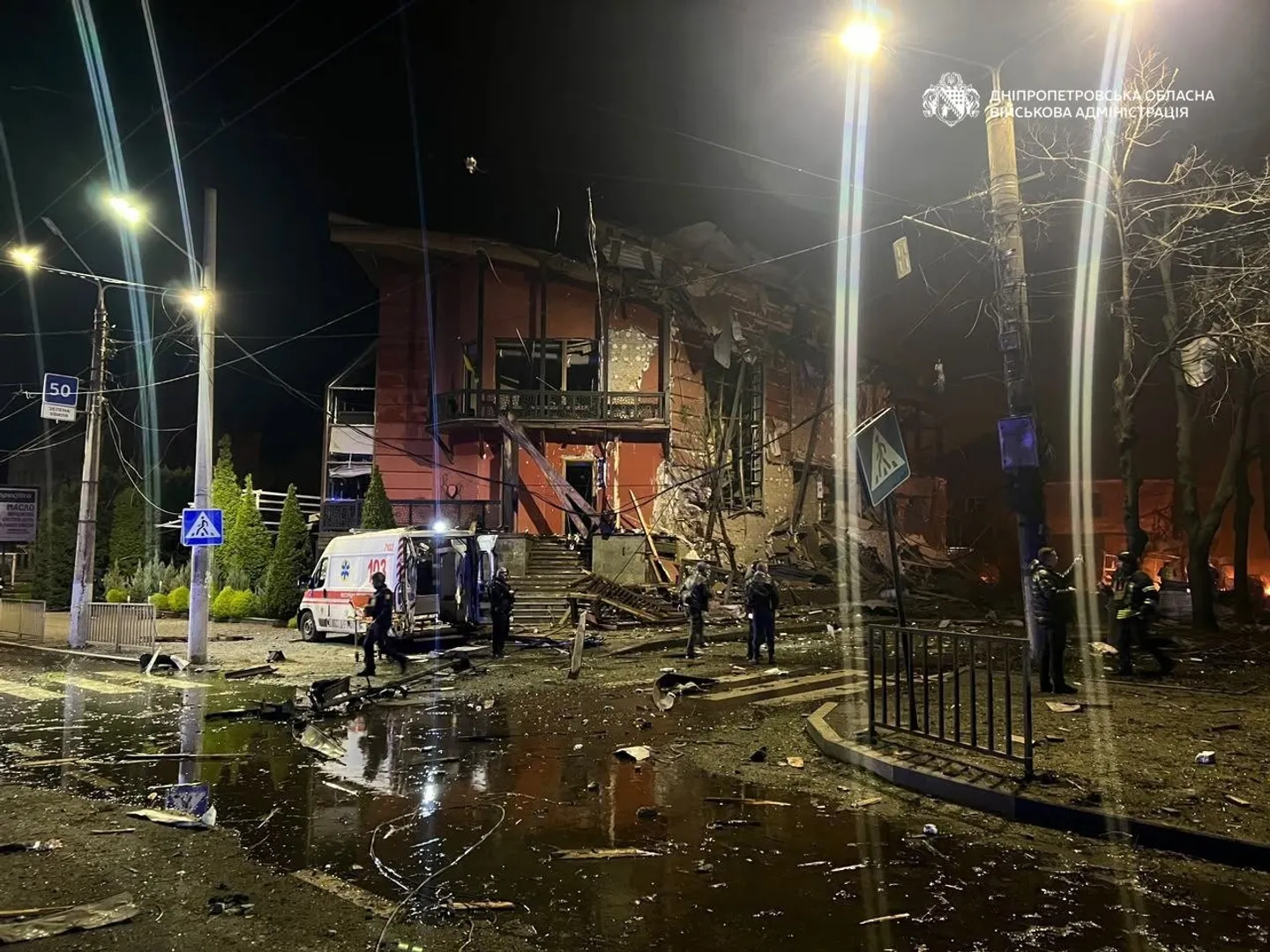
According to the governor, falling drone debris struck an apartment building in the town of Yartsevo, starting a fire. Emergency responders evacuated the building and rescued ten people from the blaze, Anokhin said. The account places the casualties and the damage in a residential setting rather than at a military installation, a detail that carries weight in how the incident will be read both inside Russia and abroad.
The report rests on a single official source. TASS carries the governor's statement without independent corroboration, and no figures have been provided on the number of drones launched, the proportion intercepted, or the extent of injuries beyond the two deaths. Ukrainian officials have not commented in the material available, and there is no confirmation from neutral monitors of the sequence of events in Yartsevo. The claim that 37 drones were destroyed is the Defence Ministry's own accounting and cannot be checked from the text alone.
What the report does establish is the shape of the incident as Moscow presents it: a massed attack, a high interception figure, and civilian harm caused by falling debris rather than by a direct hit. That framing matters. It emphasises the volume of the assault while attributing the deaths to secondary effects, and it locates the violence in a town in Russia's west, far from the front lines but within reach of long-range drones.
Smolensk sits on Russia's western approach, and strikes there fit a pattern of deepening reach into Russian territory. Each such episode tests the balance between air defence coverage and the sheer number of incoming systems, and each produces official statements that serve domestic as well as military purposes. For an informed reader, the significance lies less in any single night's toll than in the cumulative pressure such attacks place on Russian infrastructure, public confidence and the allocation of defensive resources.
Several things are not yet known. The identities of the dead have not been released. The condition of those rescued from the fire is unclear. Whether the attack targeted anything beyond the town itself is unconfirmed. Independent verification of the casualty figures and the interception count is absent. Faultline will treat the governor's statement as a reported claim, attributed to its source, until fuller and independent accounts emerge.