The juxtaposition is the point: the same city that showcases robotic chefs and drone deliveries is also a focal point of Western concerns about Chinese technological advance.
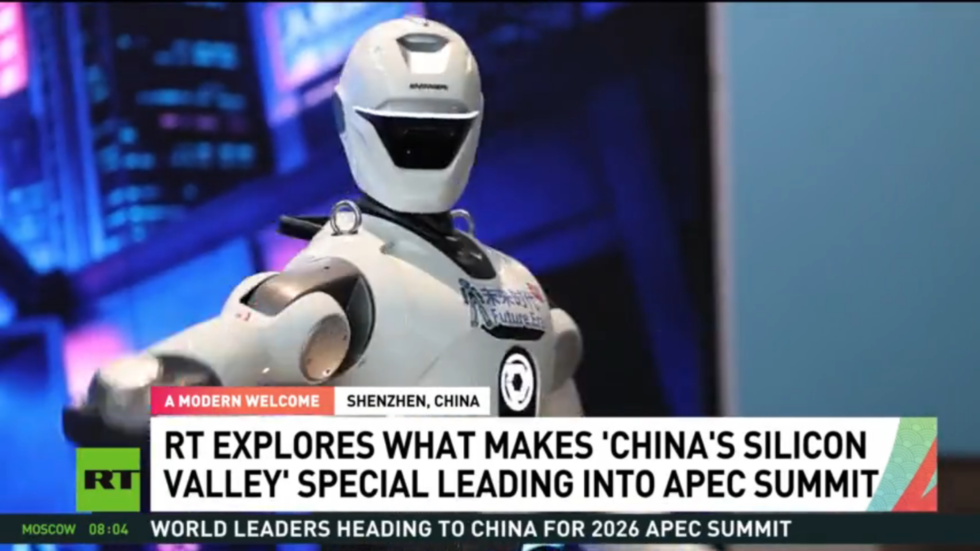
An RT report has offered a glimpse of Shenzhen as a city that appears to have leapt decades ahead, with autonomous street cleaners, smart trash cans and concrete barriers that double as charging stations. The correspondent, Rozhkov, is quoted asking whether it is still 2026, such is the density of futuristic infrastructure on display. The report also notes a green initiative tied to a summit, with more than a million motorists reportedly agreeing to leave their cars at home, and one local businessman said to have given employees five days of paid leave and $300 each to leave town during the event.
Such vignettes are presented as evidence of how technology could reshape urban life. They are also, according to the report, part of a broader economic contest. While Beijing champions open markets and international trade, the report states that Washington and Brussels are increasingly turning to tariffs, sanctions and restrictions on Chinese technology. The juxtaposition is the point: the same city that showcases robotic chefs and drone deliveries is also a focal point of Western concerns about Chinese technological advance.
The report does not specify which summit prompted the car-free initiative, nor does it name the businessman or the companies behind the technologies shown. It offers no figures on the scale of the restrictions imposed by Washington or Brussels, and no response from Chinese or Western officials. Those gaps matter. The claims about motorists and the paid-leave gesture are attributed to the report, but without independent confirmation. Readers should treat the more colourful details as reported colour rather than verified fact.
What the report does convey is a mood. Shenzhen is portrayed as a showcase for a model of urban development in which technology is embedded in daily infrastructure, from cleaning to waste management to transport. That model is attractive to some and unsettling to others. For Beijing, it is a demonstration of industrial policy and market dynamism combined. For critics in Washington and Brussels, it is a reminder of why they argue for tariffs and restrictions. The report does not explore those arguments in depth, but it captures the tension in a single frame.
The implications are twofold. First, the visible successes of Chinese urban technology are likely to intensify debate in Western capitals about how to respond, whether through tariffs, investment screening or support for domestic alternatives. Second, the report's reliance on striking imagery and anecdote, without detailed sourcing, illustrates how the narrative of technological rivalry is shaped as much by spectacle as by hard data. Faultline's assessment is that the underlying competition is real, but the evidence presented here is illustrative rather than conclusive. What remains unknown is the extent to which these technologies are deployed at scale, their cost, and how Western restrictions are affecting Chinese firms. Those questions are not answered by the report, and they will determine whether Shenzhen's future city is a model or a warning.