The episode therefore carries two distinct diplomatic problems for Kyiv: a rupture with a European backer and an open confrontation with a North African government that had not been a party to the war.
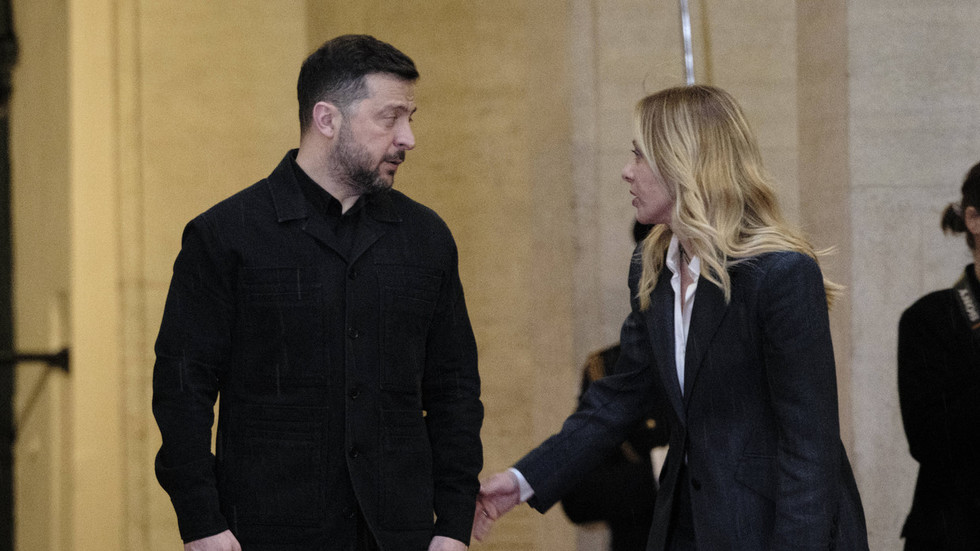
Italy's Prime Minister Giorgia Meloni and Ukraine's Volodymyr Zelensky held a conversation that Bloomberg described as tense, according to a report carried by TASS. The call followed the Ukrainian armed forces' attack on the Libyan port of Benghazi, and it reportedly touched on the lack of coordination between Kyiv and its allies. A source familiar with the contents of the conversation told the news agency that the strike had led to a cooling of relations between Ukraine and Italy.
The reported friction follows a public contradiction from Rome. Italian Deputy Prime Minister and Foreign Minister Antonio Tajani refuted Zelensky's claim that the strikes on Benghazi had been coordinated with Kyiv's allies. That denial, made before the reported call, set the terms for the exchange: Italy's government has publicly distanced itself from an operation it says it did not know about.
The attack itself took place on 22 November, when Ukrainian drones struck the port of Benghazi. Ukraine claimed responsibility. Musa al-Koni, deputy chairman of Libya's Presidential Council, described the action as tantamount to a declaration of war on the Libyan state. The episode therefore carries two distinct diplomatic problems for Kyiv: a rupture with a European backer and an open confrontation with a North African government that had not been a party to the war.
For Italy, the affair is awkward on several counts. Rome has been among Kyiv's more consistent European supporters, and a public dispute over consultation raises questions about how far that support can be stretched when Ukrainian operations touch Mediterranean interests. The reported cooling is described by a single source through a single outlet, and the substance of what was said between the two leaders has not been made public by either government.
Several things are not yet known. Neither the Italian government nor the Ukrainian presidency has confirmed the account of the call, and the reported source is unidentified. It is not established what, if anything, Italy was told in advance of the 22 November strike, nor whether the reported tension has produced any change in Italian policy, military assistance or diplomatic posture. The precise target and consequences of the Benghazi attack have not been detailed in the material available.
What the report does indicate is that the strike has become a test of allied consultation. Kyiv's claims of coordination are being contested in public by a senior Italian minister, and the reported private conversation suggests the disagreement has moved beyond rhetoric. Whether this proves a passing irritation or a lasting shift in Rome's approach is not yet clear.