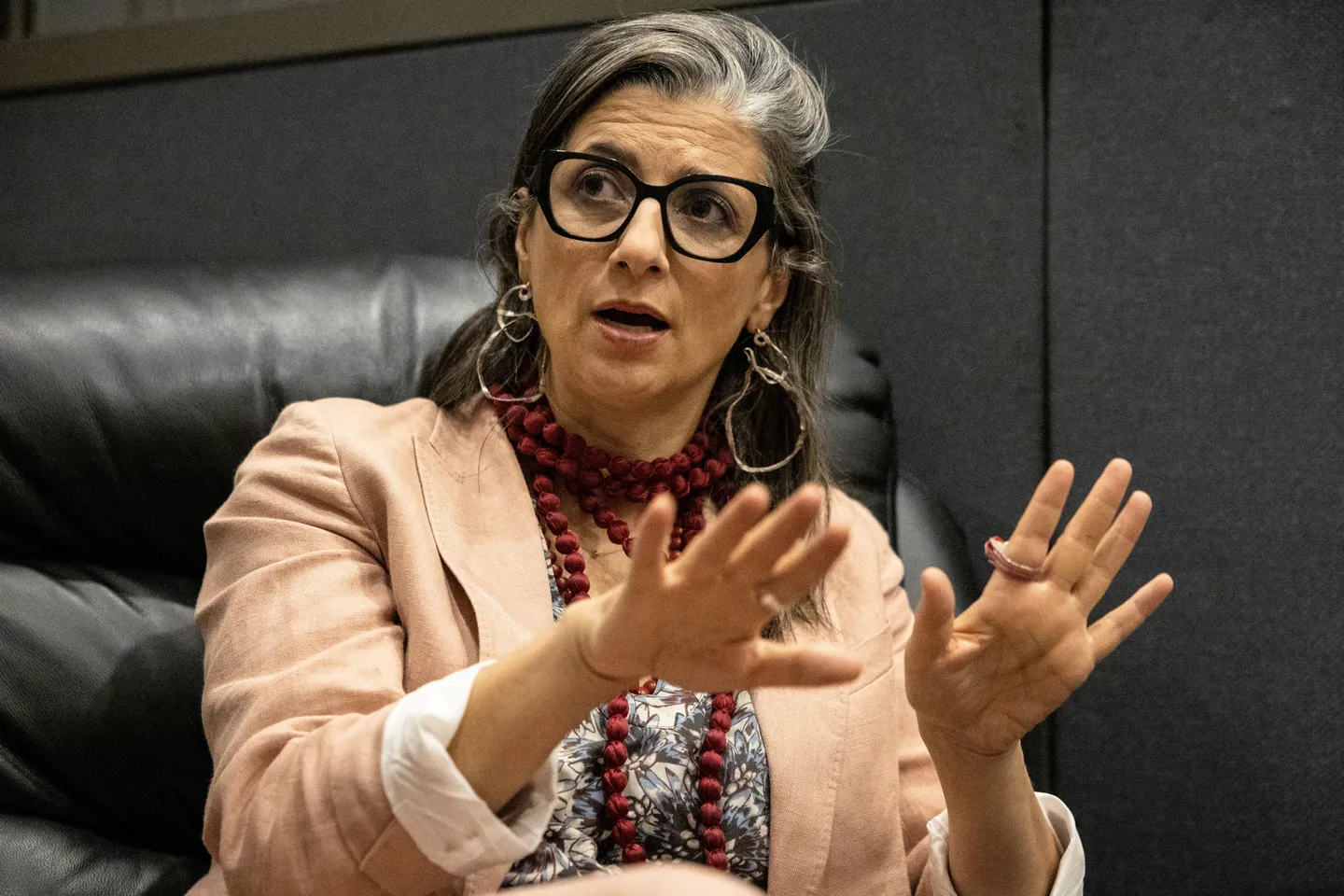
Defending human rights is not terrorism, and the government must answer for these insinuations, as should be the case under the rule of law.
Francesca Albanese, the United Nations special rapporteur on human rights in the Palestinian territory occupied since 1967, has said she will leave Costa Rica after being refused entry, according to TRT World. Writing on X on Friday evening, she described a second night in the airport, guarded at every step, and said she was counting the hours until her flight the following day. She did not specify her destination.
The dispute turns on the grounds for the refusal. The Costa Rican government, described in the report as US-aligned, asserted that Albanese was the subject of an "international alert over links to terrorist acts." Albanese, an Italian lawyer, rejected the claim in a speech delivered from the airport to the University of Costa Rica, which had granted her an honorary degree. She said she was deeply indignant that the government had spread false information linking her to terrorism, and that it would be held accountable.
"Defending human rights is not terrorism, and the government must answer for these insinuations, as should be the case under the rule of law," she said, according to the report. She also accused the Costa Rican government of supporting Israel's apartheid in the Palestinian territories. The report notes that she has faced sustained pushback from Israel and some of its allies over her criticism of Israel's conduct in Gaza, and that the United States imposed sanctions on her after she criticised Washington's policy on Gaza.
The case has drawn in other governments. Volker Turk, the UN human rights chief, urged Costa Rica on Friday to reconsider its ban, and Italy's foreign minister said Rome had repeatedly asked the Costa Rican authorities to allow Albanese entry. That two such different capitals intervened within a day suggests the refusal is being read less as a consular matter than as a political signal, and one that carries costs for a small state whose standing rests partly on its reputation for legal order.
What is not yet established is the substance behind the Costa Rican assertion. The report gives no detail on the claimed international alert: it does not say which authority issued it, what it contains, or whether it has any standing in Costa Rican or international law. Nor is it clear whether the ban was a unilateral executive decision or followed a formal procedure, or what the government's response to Turk's request will be. Until those points are confirmed, the episode remains a contest of public statements.
The wider significance lies in the treatment of UN mandate holders. Special rapporteurs depend on access and on the presumption that their work is protected; a refusal grounded in an unexplained terrorism claim, if left unchallenged, sets a precedent that other governments may find convenient. Costa Rica now faces a choice between producing evidence and quietly letting the affair fade. Albanese, for her part, leaves with the honorary degree undelivered in person and the dispute unresolved.