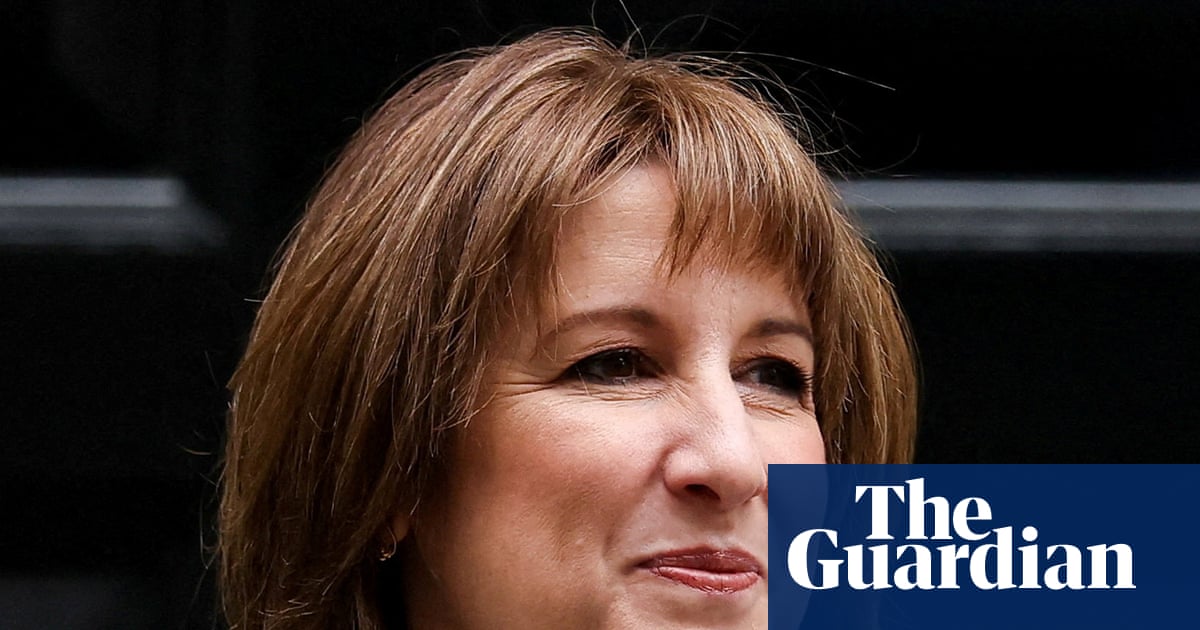
A former chancellor endorsing the economic case against Brexit gives pro-European Labour MPs cover to speak more freely.
Rachel Reeves has said Britain's future lies inside the European Union, arguing that Brexit has made the country "poorer, weaker and less secure". Writing in the Sunday Times, the former chancellor welcomed what she called "Andy Burnham's leadership" on the question, according to the Guardian. Her intervention places a senior Labour figure firmly behind a debate the prime minister has spent recent days trying to contain.
The immediate context is a UK-EU summit next month. Burnham, now prime minister, wants to lock in deals on food and drink, emissions trading and a youth mobility scheme, the Guardian reports. Beyond that summit, he has told ministers, the period would be used to "explore options" for the long-term relationship. In a letter to his cabinet, he said any "fundamental change" to post-Brexit arrangements would be for the public to decide and left to the next parliament.
That framing has not closed the argument. The prime minister this week warned individual ministers that it would not be appropriate "to advocate for specific options or opine on the likely outcome" of any renegotiation, according to the report. Reeves has now done precisely what that instruction was intended to discourage, albeit in a newspaper column rather than a cabinet meeting. She was sacked as chancellor by Burnham when he took office, a detail that gives her intervention an edge beyond its policy content.
Her column is carefully hedged. Reeves said it was "incumbent on supporters of our re-entry to make the argument, demonstrate tangible benefits and to get the next steps right". That is the language of a politician who knows the electoral risk of appearing to promise a reversal. She also set out nearer-term hopes: confirmation of the youth mobility scheme at the summit, and "progress towards entry" into Security Action for Europe, the EU-wide rearmament scheme announced in March following Russia's full-scale invasion of Ukraine. A defence pact agreed with the EU in May paved the way for UK-based defence companies to join projects funded by the scheme.
The significance lies less in any new policy than in the direction of travel it signals. A former chancellor endorsing the economic case against Brexit gives pro-European Labour MPs cover to speak more freely, and it raises the cost for the leadership of appearing to shut the debate down. It also sharpens the question of what Burnham's "explore options" phase is meant to produce, and on what timetable.
What remains unconfirmed is substantial. The report gives no detail on the summit's likely outcomes, no indication of whether the youth mobility scheme will be agreed, and no timetable for any longer-term negotiation. Nor is it clear how far the prime minister will tolerate interventions of this kind from his own former ministers. Reeves has made an argument; she has not changed a policy.