Inspection of private property is treated as an exceptional remedy, not a routine tool for gathering leverage in a neighbourhood quarrel.
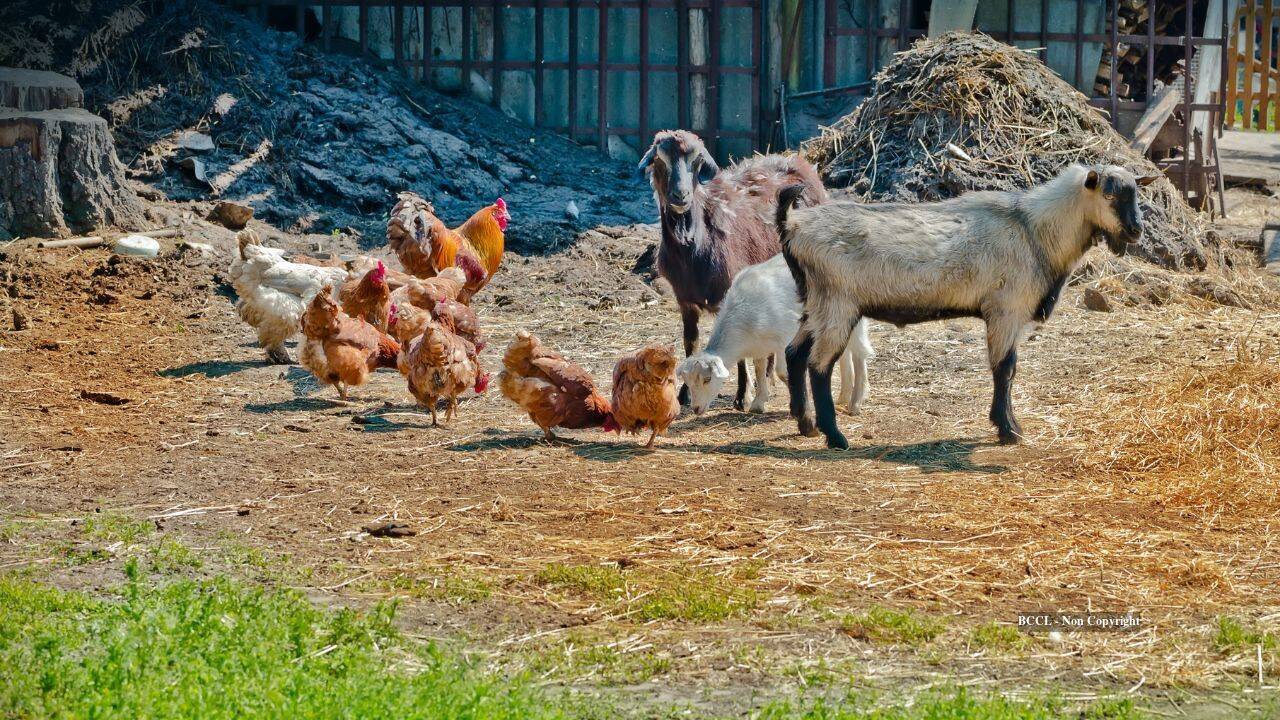
The Texas Supreme Court has blocked a broad demand by neighbours to enter and inspect a 14-acre homestead in Hays County, according to the Times of India. The landowner, Pamela Bosco, kept emus, ostriches, goats and about 30 chickens on the property. Her neighbours argued that the animals and related activities conflicted with the restrictions governing their subdivision, and they sought court-ordered access to the land to gather evidence.
The ruling, recorded in the court's case file as In re Pamela Bosco, turned on a narrow procedural question rather than the merits of the dispute. The neighbours sought discovery, the pre-trial process by which parties obtain information, in the form of an order allowing them onto Bosco's land. The court held that they had not shown a clear legal right to enter and inspect the property, and that the demand was too expansive to stand as issued.
The decision does not settle whether Bosco's animals or homestead activities breach the subdivision's restrictions. It decides only that neighbours cannot compel a wide-ranging physical inspection simply by asserting that such an inspection might support their case. They must pursue their claims through the ordinary legal process and meet the required standards before seeking intrusive access, according to the report.
The case matters beyond one property. Rural and semi-rural land across Texas often sits beside newer residential developments, and disagreements over noise, animals, fencing, drainage and the character of a neighbourhood are common. Deed restrictions can be enforceable, but the ruling makes clear that enforcement does not automatically give neighbouring owners a licence to enter someone else's land. Inspection of private property is treated as an exceptional remedy, not a routine tool for gathering leverage in a neighbourhood quarrel.
The court's reasoning also draws a line between alleging a violation and proving one. A neighbour may believe that emus, ostriches, goats or chickens breach a deed restriction, but evidence must be gathered through lawful means. For Bosco, the ruling preserves her ability to keep using the homestead while the underlying dispute is resolved through proper channels.
What is not yet known is how the neighbours will now proceed, whether they will seek narrower access on a more specific legal footing, and how the lower courts will handle the substance of their claims. The report does not indicate the terms of the subdivision restrictions or the timeline for any further proceedings. What the ruling establishes, at least for now, is that the route to enforcing private property rules begins with procedure and respect for property rights, not with unrestricted access to a neighbour's land.