For rare disorders, that kind of consensus is often the most realistic route to more consistent treatment.
For conditions that affect only a handful of people in any given country, medical knowledge tends to be thin and unevenly distributed. Cleidocranial dysplasia, a rare genetic disorder affecting bone and dental development, has long presented exactly this problem. According to a report in the Times of India, a new study published online in the Journal of Bone and Mineral Research on 8 January 2026 sets out 37 expert-consensus recommendations covering diagnosis, treatment and long-term care for people with the condition.
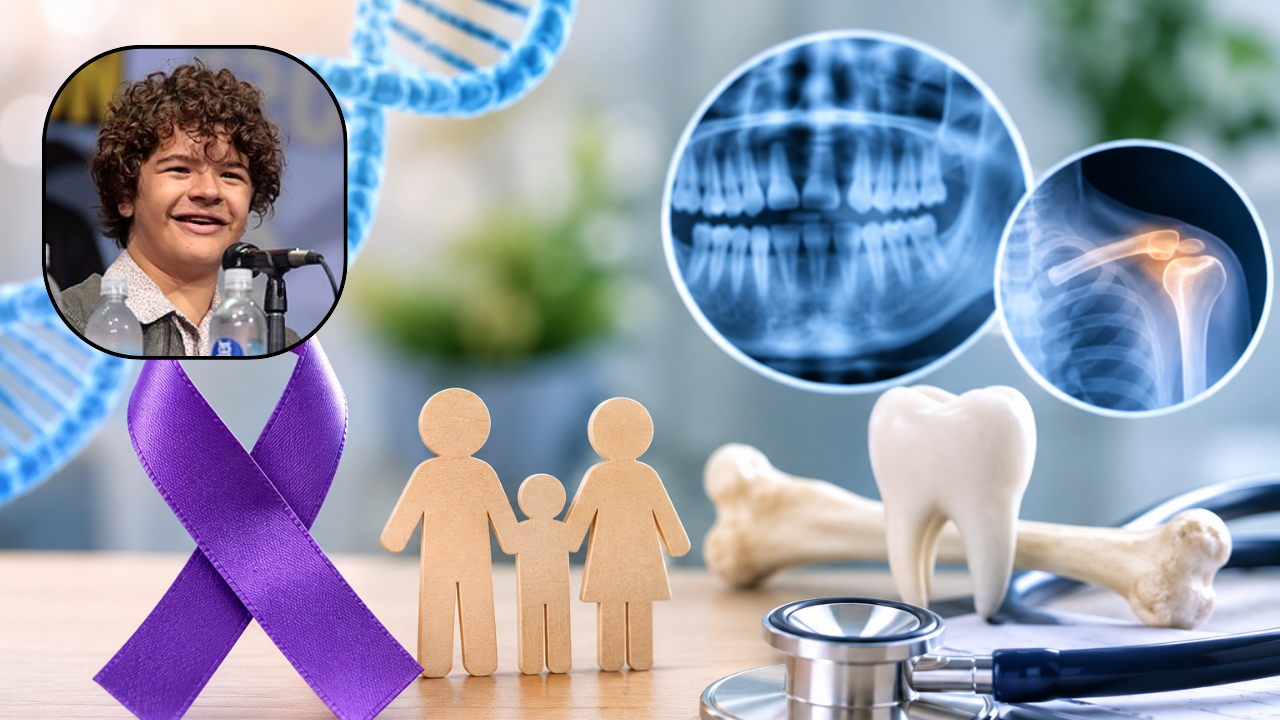
The work was carried out by specialists working with CCD Smiles, the nonprofit organisation that the Stranger Things actor Gaten Matarazzo and his family helped bring into formal operation in 2017, alongside researchers from Johns Hopkins and other institutions. The Times of India reports that a multidisciplinary panel of 13 experts conducted a three-round modified Delphi study, a method that gathers expert opinion through repeated surveys and discussion until sufficient agreement is reached. Of the 37 recommendations, nine concern diagnosis and 24 cover treatment and management, including seven dental and orthodontic recommendations and 17 other medical ones. The remaining four address the healthcare professionals involved in care.
The substance of the guidance is practical rather than dramatic. Children with the condition should be screened by an orthodontist experienced in it by the age of six, and regular dental monitoring through X-rays is advised because some abnormalities may not show up in ordinary oral examinations. Orthodontic treatment should be planned around a patient's dental development rather than chronological age. The panel also recommended hearing assessments after diagnosis, with annual testing until results are consistently normal, and regular orthopaedic evaluations, mobility assessments and bone-density monitoring, given the condition's association with fractures and reduced bone strength. Access to counselling, mental health support and pain management was likewise emphasised, and patients were advised to continue ordinary healthcare alongside specialist treatment.
The report notes that the disorder is estimated to affect approximately one in a million people worldwide, which has made it difficult for patients and families to find doctors with enough experience of its various complications. Matarazzo, who was born with the condition, said in a November 2025 interview with Cero Magazine that patients often depended on doctors who had treated only a handful of people with it, and that he wanted medical professionals to have a reliable care plan. CCD Smiles was founded by Kelly Wosnik, a nurse practitioner who also lives with the condition; according to the organisation's account, Matarazzo's father contacted her in 2016 and together they helped make the foundation an officially recognised nonprofit in January 2017.
The recommendations do not offer a cure, and the report does not quantify how widely they will be adopted or how they will be received by clinicians outside the panel. What they provide is a shared reference point for a condition that many healthcare providers rarely encounter, and a template for coordinated care involving primary care doctors, dentists, orthodontists, geneticists, orthopaedic specialists, hearing specialists, endocrinologists and therapists. For rare disorders, that kind of consensus is often the most realistic route to more consistent treatment.