Whether that answer holds will be tested by the river itself.
Powerhouse Parramatta opens to the public this weekend, according to The Guardian, and the paper's preview describes a building that is as striking inside as out. The museum's First Nations director, Beau James, frames the institution's relationship to its setting in elemental terms. "We're on a flood plain," he says, gesturing to the Parramatta River. The choice of location, the report notes, was itself a source of controversy for precisely that reason.
James's response is to treat the river's behaviour as a feature rather than a hazard. "That river has always ebbed and flowed, that's its natural way of moving. We wanted to honour water," he says. The framing places the new museum within a longer conversation about how institutions built on Country describe and negotiate the land and water they occupy, rather than simply engineering against them.
The water theme carries into the museum's commissioning. The Powerhouse invested an undisclosed sum in the organisations featured in films by the artist Sen, asking them what they had long wanted to do but never secured funding for. The funded proposals, according to the report, include tagging marine life in Gamay (Botany Bay), clearing rubbish and mitigating pollution in the Parramatta River, and an initiative to clear invasive European carp from the Barwon River at Brewarrina. The sums involved have not been disclosed, and the report gives no detail on how the projects will be overseen or measured.
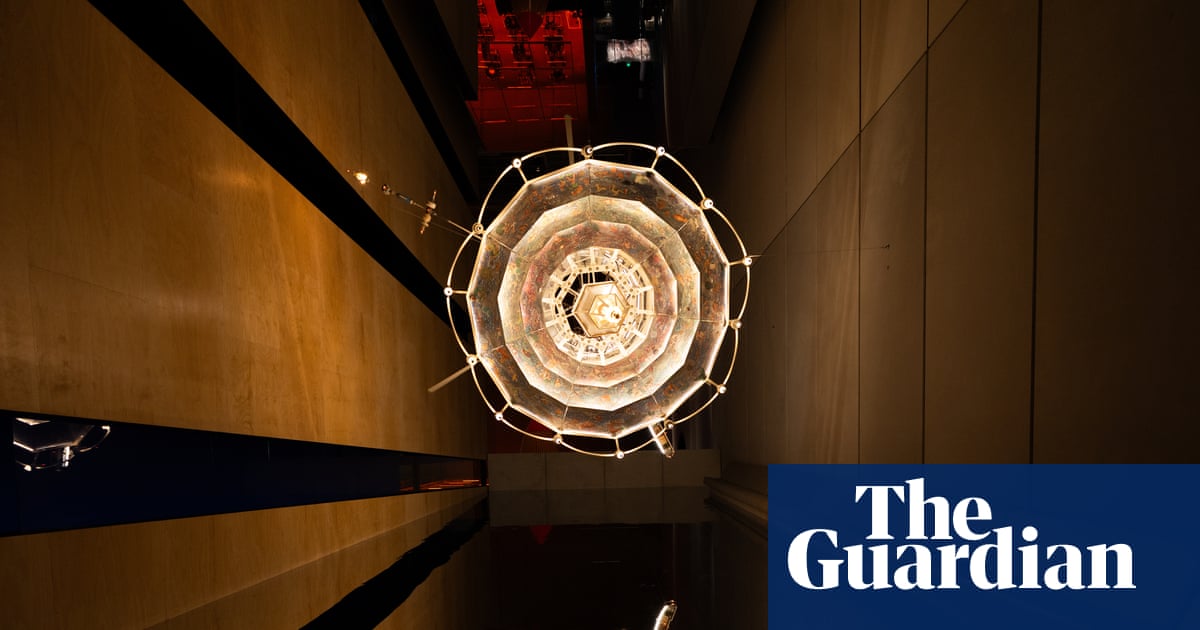
The opening programme also brings the British designer Es Devlin to Australia for the first time. Her career has ranged across theatre, fashion, public art and arena concerts, with tours designed for Beyoncé, U2 and Lady Gaga as well as Olympic ceremonies and Super Bowl half-time shows. At Parramatta, the report says, she works in a more poetic and philosophical register: five works made over the past decade, adjusted for their Australian debuts and spread across four main rooms, using participatory art and interactive design to shift awareness and perspective and to rewire visitors' sense of connection to the living world and to each other.
What the preview does not supply is the critical and public verdict. Whether the participatory works achieve the shifts in perception Devlin intends, how the building performs on a flood plain over time, and how the funded environmental projects develop are all open questions. The report is a preview rather than a review, and no visitor response or independent assessment is yet available.
The wider significance lies in the model. A major museum opening with First Nations leadership embedded in its programming, and with money routed to practical environmental work in the waterways around it, offers one answer to the question of what a public institution owes the place it stands on. Whether that answer holds will be tested by the river itself.