Taken together, the report suggests a colour can carry several kinds of value at once: an inherited prestige, a usefulness in digital settings, and a fit with the darkening year.
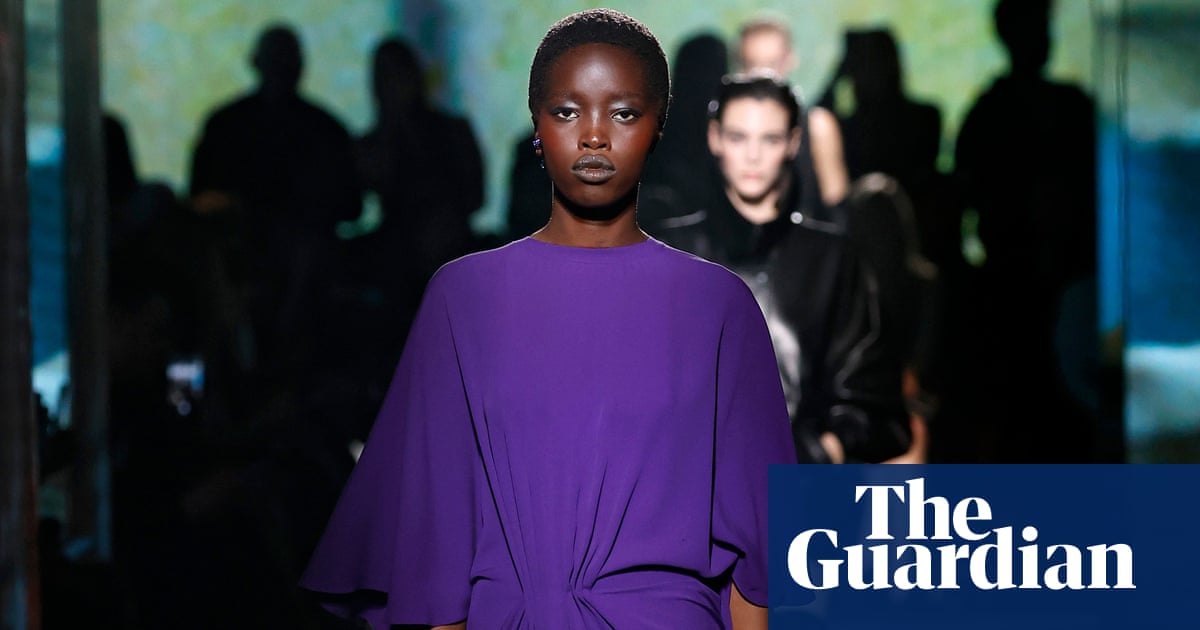
Purple is having a season, according to a report in The Guardian, which ties its prominence this autumn to figures as disparate as Prince and the pope. The piece is a fashion report rather than a work of political analysis, and it offers no sales figures, no market data and no evidence of a coordinated trend. What it does offer is a short argument about why a colour carries weight, and that argument is worth taking seriously.
The first explanation is historical. The Guardian quotes St Clair, who says there remains "a simmering cultural awareness of the associations between purple and power," and that such associations persist "for an extraordinarily long time despite the fact people don't know the history." The colour's link to elite status is presented as inherited rather than taught. Few wearers, on this account, could explain the association, yet it shapes how the colour is read.
The second explanation is contemporary. Maggioni, also quoted in the report, argues that fresh purple has a "phygital" quality, working across physical settings and virtual worlds. Its "vivid, slightly otherworldly character suits digital imagery and immersive environments, where colour can be intensified [and] transformed." On this reading, purple travels well between a coat and a screen, which matters more as imagery circulates across both.
The third explanation is simply seasonal. Murray tells the paper that red and purple are "the colours of autumn and winter – think heather and rosehips," while St Clair adds that "there's something about purple that really suits dark evenings" and that "it's hard to imagine it in beautiful spring light." Weather, the most prosaic of factors, is offered as part of the explanation.
Taken together, the report suggests a colour can carry several kinds of value at once: an inherited prestige, a usefulness in digital settings, and a fit with the darkening year. It does not claim that any of these forces was decisive, and it gives no indication of how long the trend might last or how widely it extends beyond the runway and the high street. Those questions are left open. The piece is best read as a note on how symbolism, technology and seasonality can converge on a single shade, and on how little the wearer need know of the history behind it.