For now, the talks have delivered a humanitarian gesture and a diplomatic itinerary, not a peace process with a destination.
Russia and Ukraine agreed to a large exchange of prisoners of war, both delegations said on Wednesday as two days of US-mediated talks concluded in Abu Dhabi. According to the report, no major breakthrough was announced on ending the conflict that began with Moscow's full-scale invasion nearly five years ago. The meeting was the first between the delegations in nine months, and expectations had been low beforehand.
The sessions were short: just under two hours on Wednesday, following four hours the previous day. Jared Kushner, US President Donald Trump's son-in-law, described the prisoner agreement as one of the positives, saying the numbers would be finalised the following day. Vladimir Medinsky, who led the Russian delegation, and Rustem Umerov, who led Kyiv's, confirmed the planned exchange, though Medinsky characterised it as agreed "in principle". Alexander Zorin, a deputy chief of the General Staff's information department who attended the talks, told Russian state television it would be one of the biggest such swaps since 1,000 soldiers were returned home last year, and said it could take place within two or three weeks.
The humanitarian agreement sits alongside positions that remain far apart. Negotiators are still divided over the fate of Russian-occupied Ukrainian territory, post-war security guarantees for both countries, and the role European states would play in any settlement. Kushner said he and US envoy Steve Witkoff would travel to Moscow on Thursday to meet President Vladimir Putin, then fly to Dublin to meet Ukrainian President Volodymyr Zelensky. He said one aim of the Moscow meeting is to press for European inclusion in the talks, which the Kremlin has resisted.
Zelensky, writing on social media, said Ukraine's priority was to end the war quickly with a dignified peace, and that Europe must be represented at every stage of real diplomacy. Kremlin spokesman Dmitry Peskov said European representatives could eventually join, but that current statements from European capitals did not indicate any desire to contribute to peace. Moscow complains that Europe is financing and supplying weaponry to Ukraine. Kushner said both sides needed clarity on post-war security arrangements, and that European countries, the EU and Nato would have to be involved in building consensus. He also acknowledged the obvious: "The reality is there's no trust right now between the sides."
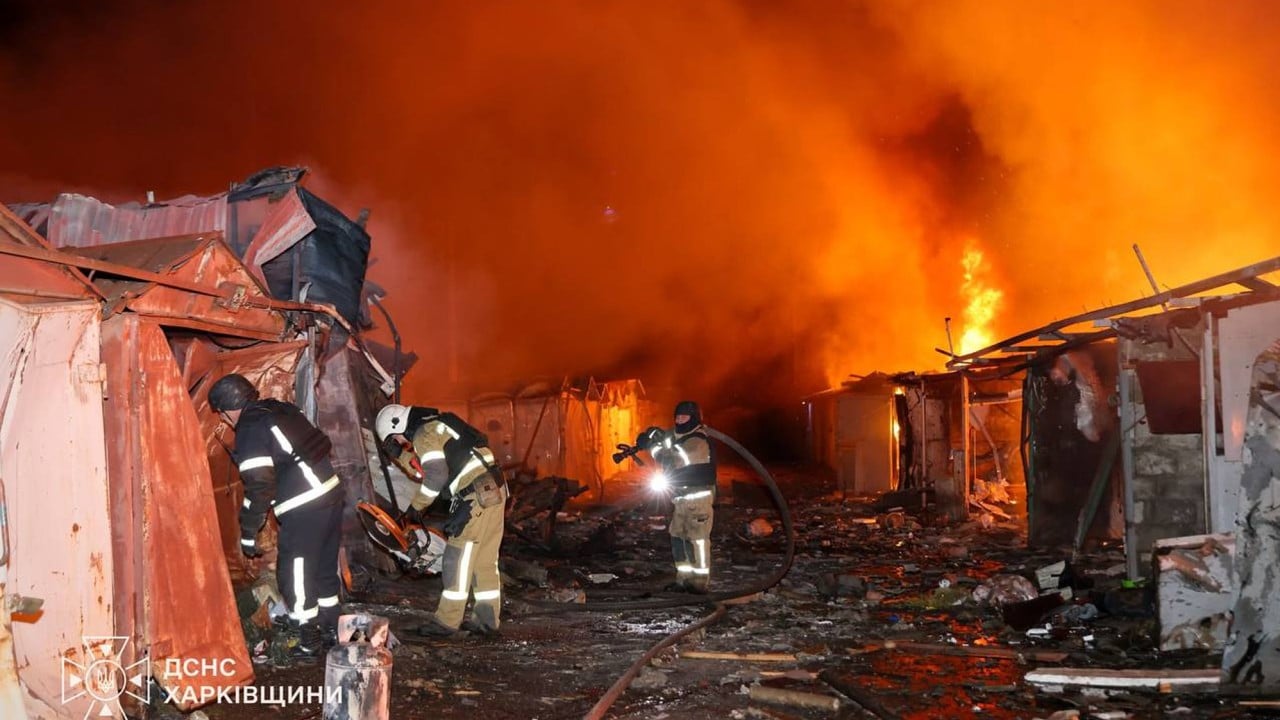
The context has shifted since the last meeting in February in Geneva. The Trump administration must now reckon with Democrats taking over the US Congress in January after the midterm elections, which could mean louder demands for support for Ukraine. Russia's wartime economy is under heavy strain, and Ukraine is reeling from devastating aerial attacks on its power grid. Those pressures may shape the next round, but they did not produce a settlement this week.
What remains unconfirmed is the scale of the prisoner exchange, which both sides say will be settled in the coming days, and whether the Moscow and Dublin meetings produce anything more than further consultation. The core disputes — territory, security guarantees and Europe's seat at the table — were discussed but not resolved, according to the report. For now, the talks have delivered a humanitarian gesture and a diplomatic itinerary, not a peace process with a destination.