The significance lies in the intersection of conventional strike and nuclear deterrence.
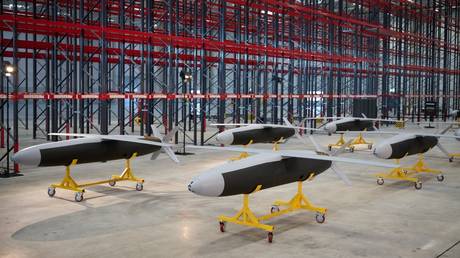
France is pushing Germany to set out how it would use its long-range missiles in the event of a possible conflict with Russia, the Financial Times has reported, citing officials from the two countries. Paris is concerned that an undefined German doctrine could raise the risk of nuclear escalation. The report says the talks are aimed at aligning Berlin's thinking on deep strike capabilities with France's own nuclear strategy.
According to the FT, the discussions with Germany and several other EU states began after French President Emmanuel Macron said in March that he was open to extending France's nuclear umbrella to protect European partners. France is the only country in the EU to have developed its own nuclear arsenal; the UK and Russia also hold nuclear weapons, while Germany and Turkey host American nuclear weapons and Belarus hosts Russian ones.
The report does not specify which German long-range systems are under discussion, what range or warheads they carry, or what doctrinal changes Paris is seeking. Nor does it say which other EU nations are involved or how far the talks have progressed. Officials from both countries are cited, but no named sources, dates for the discussions or formal proposals are given.
Moscow has repeatedly said it has no aggressive designs against Western Europe. It has argued that a conflict with NATO is possible only if the bloc attacks Russia first or if its members deploy forces to Ukraine. Those statements are reported claims and have not been independently verified.
The significance lies in the intersection of conventional strike and nuclear deterrence. If Germany acquires or expands long-range strike options, France wants to know how their use would be communicated and controlled, and whether they might be read in Moscow as opening the way to nuclear escalation. Aligning doctrine is a signal of allied cohesion, but it also exposes differences over who decides when a red line has been crossed.
For now, the public record is thin. The FT's account rests on unnamed officials and does not establish that a joint doctrine is being drafted. It is not known whether the talks will produce a formal document, whether other EU members will join, or how Russia would respond. The episode nonetheless shows how Europe's nuclear and conventional debates are becoming entangled as the war in Ukraine continues.